China 2025

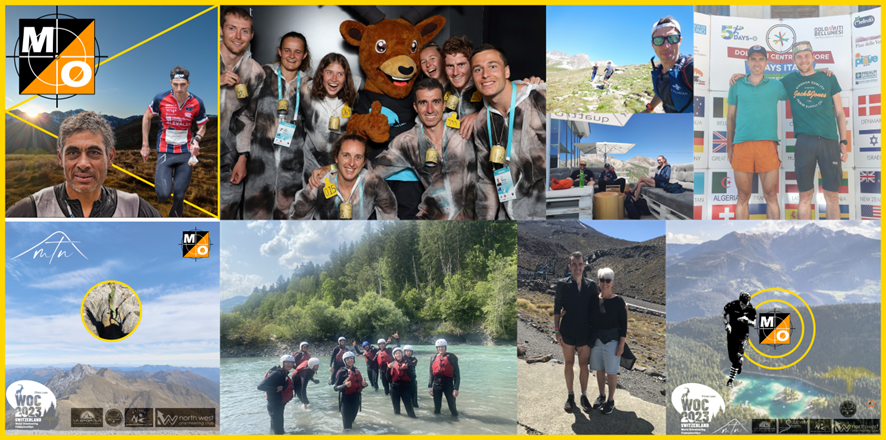
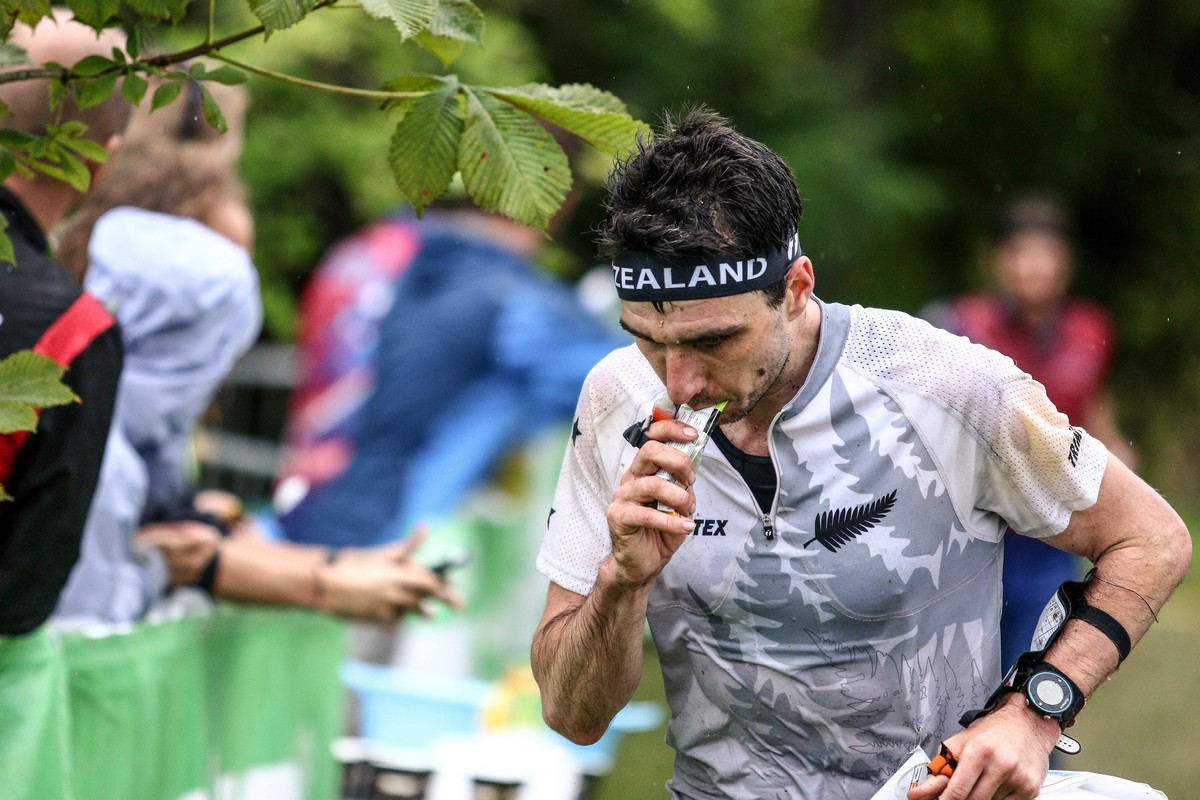
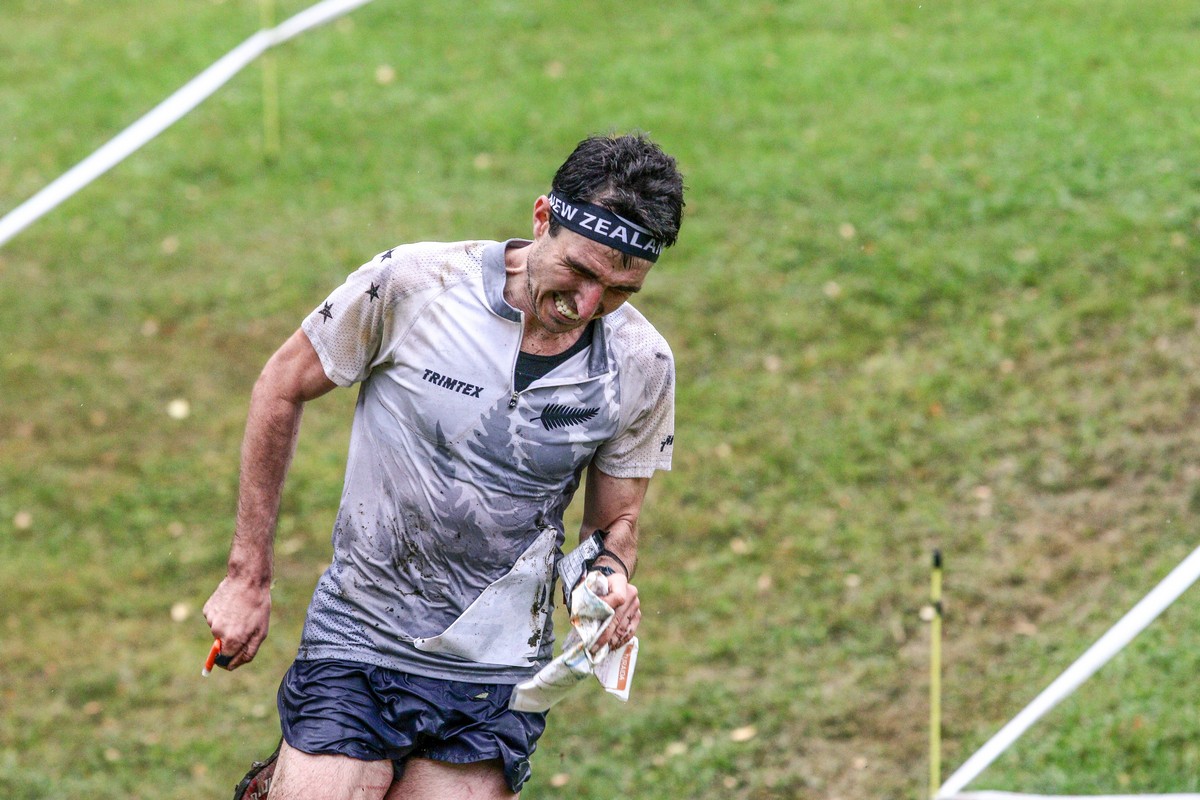
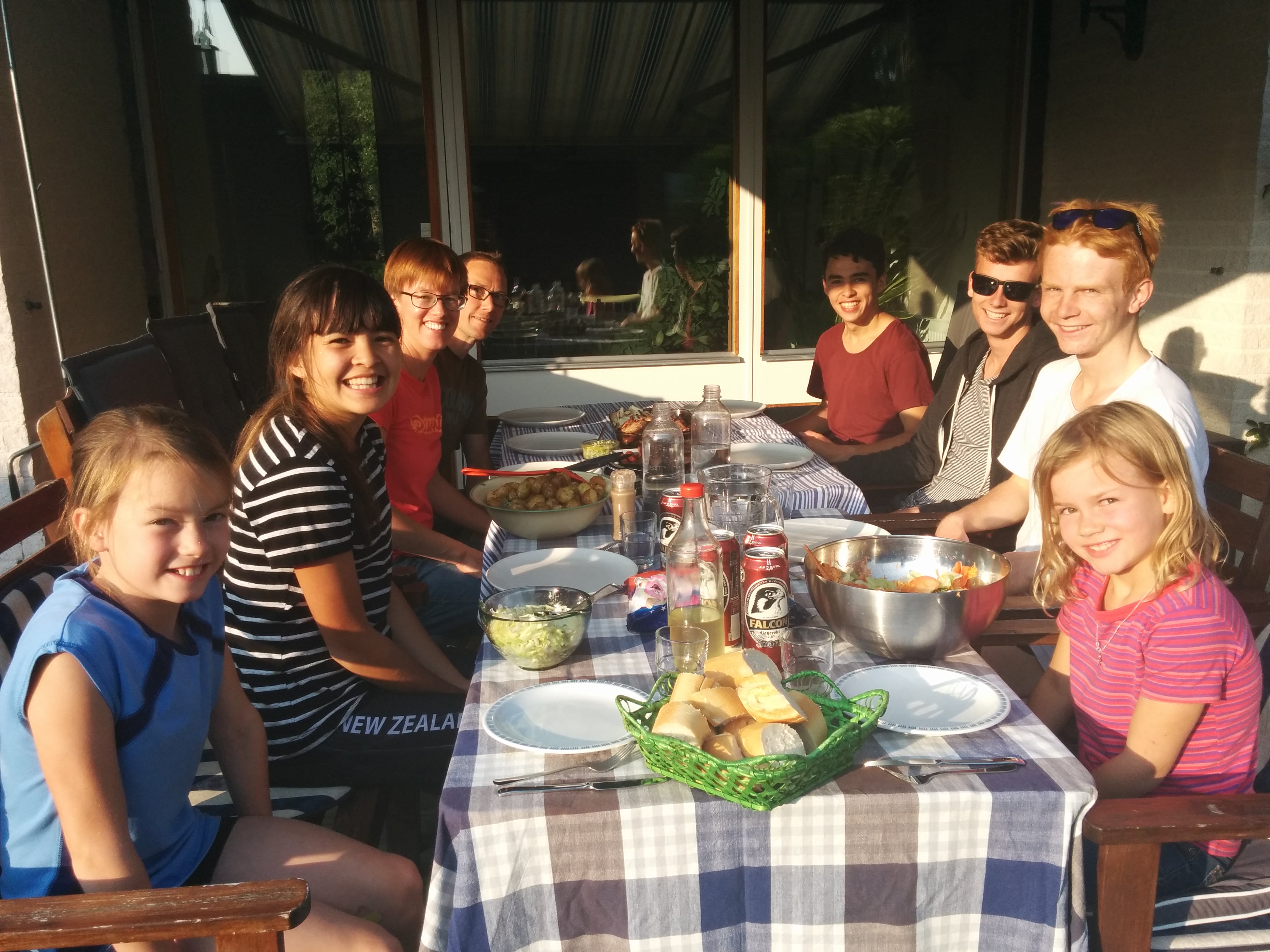
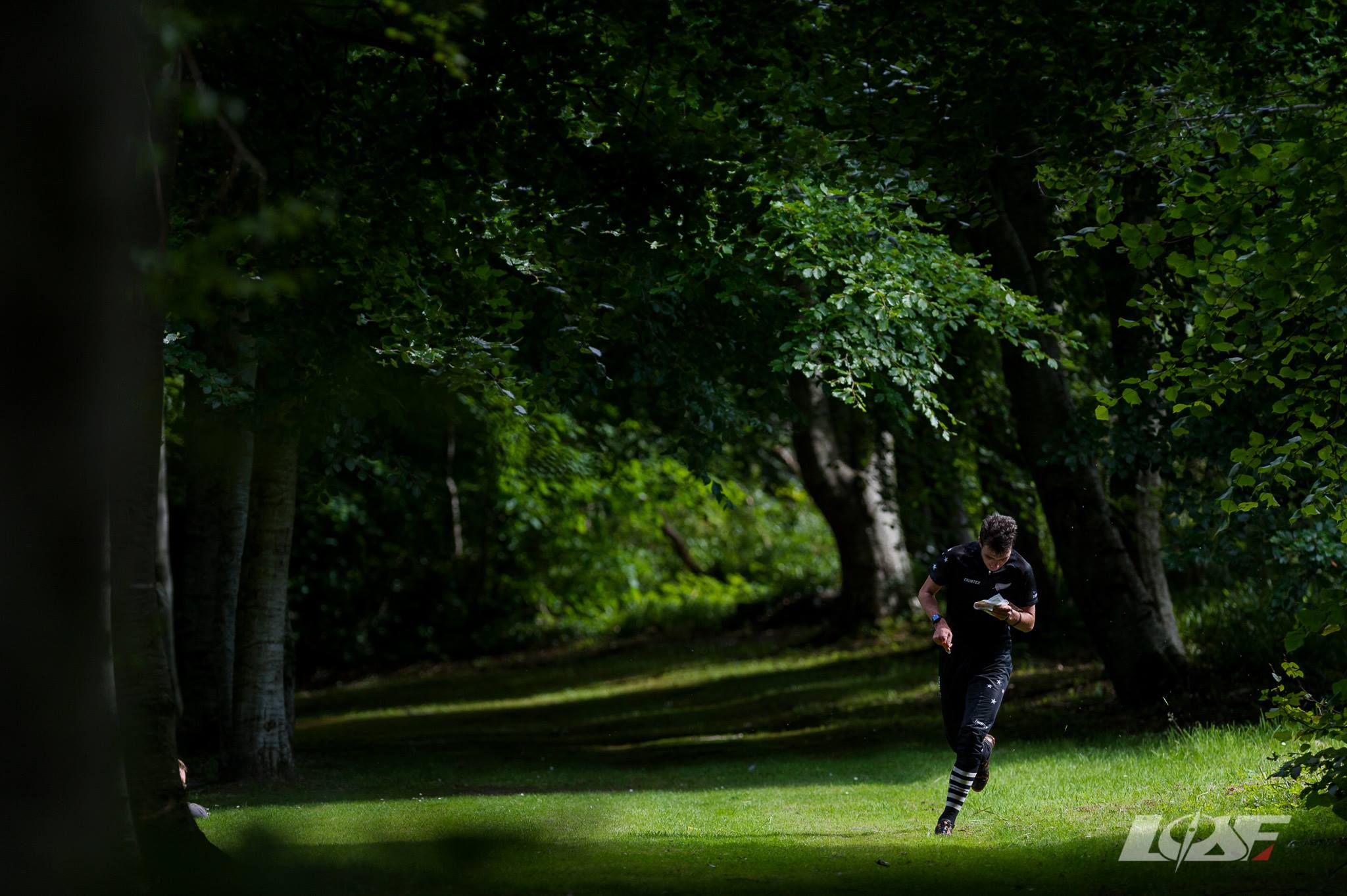
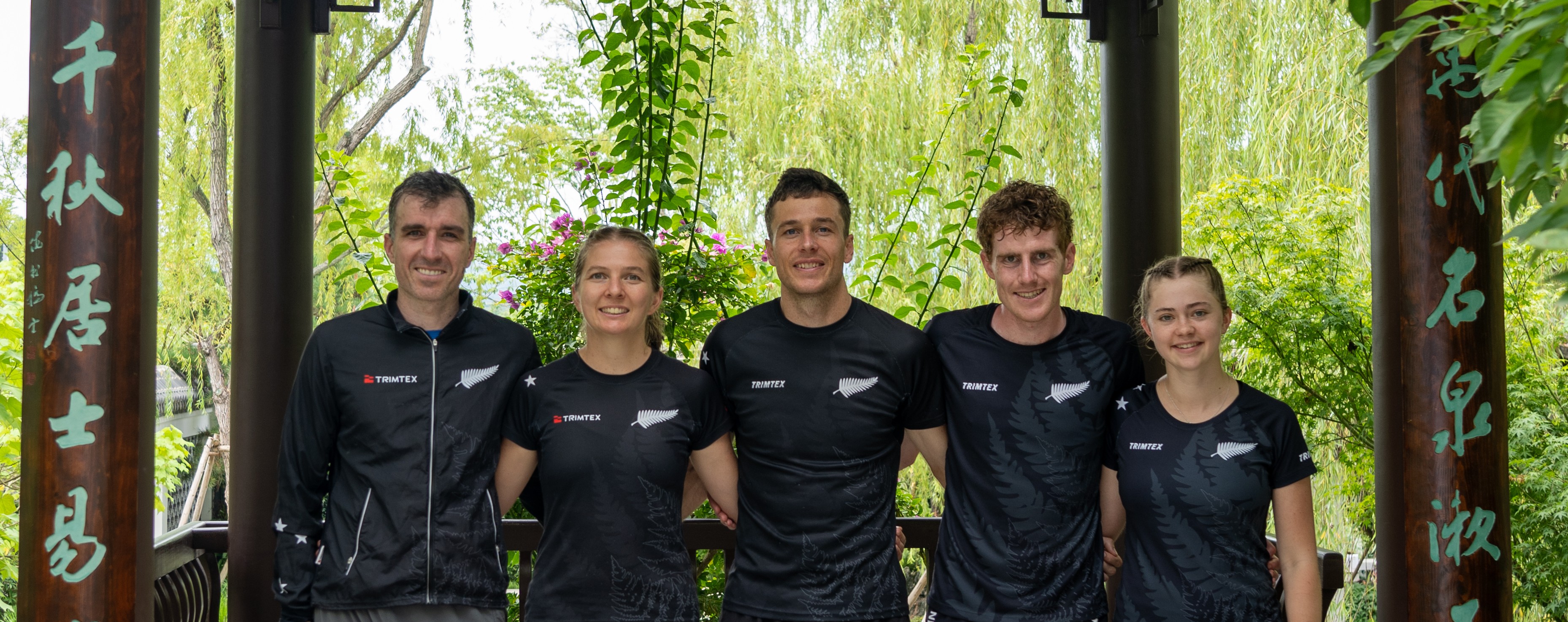
The World Games New Zealand Orienteering Team 2025 – Me (coach) with the team Laura, Tim, Jo, and Zara.

An intangible cultural experience – that is what a trip to China promised and that is what China delivered.

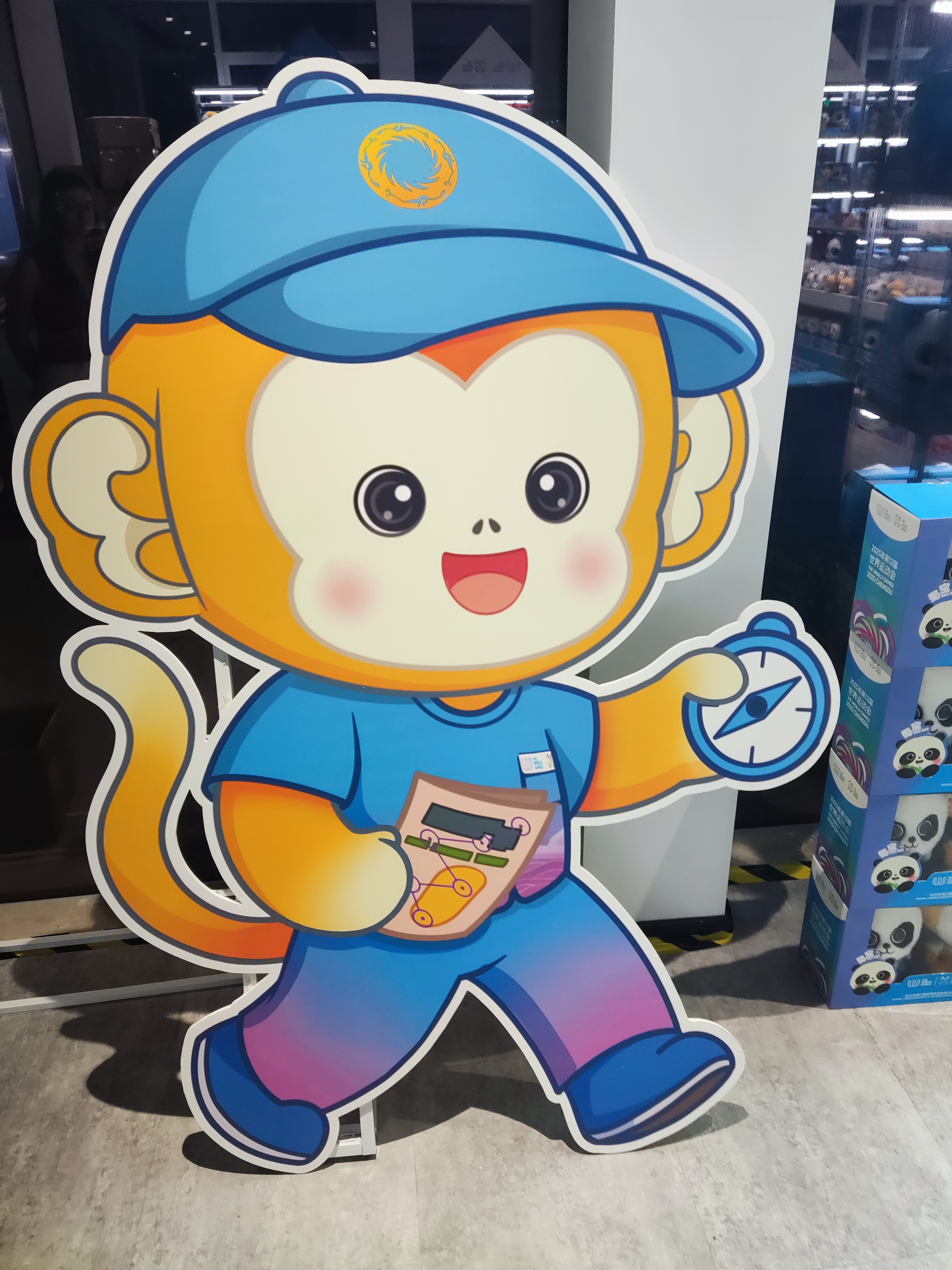
The World Games (TWG) provided a unique opportunity to travel to China and participate in the event closest to the Olympics orienteering is ever likely to get. There was no racing for me this time as the body starts to age, instead I would be coach/manager for a strong New Zealand team. Initially I had hoped that I would be competing when China first came on the radar but in the end I thoroughly enjoyed not needing to prepare as I have done in the past, instead doing what I could to support the team. Chengdu (Sichuan Province) was the host city for TWG. A modest sized city of 21 million people it is home to crowd favourites like the Research Base of Giant Panda Breeding. It is also a gateway to the epic mountainous regions not too far from Tibet which peaked my interest. Having hosted large sporting events in the past including the FISU World University Games in 2021 Chengdu seemed very well equipped to organise TWG. In the build-up I was particularly excited to see that Jackie Chan was one of the torch bearers and the two mascots, Shu Bao and Jin Zai, were just outstanding (see video below from the opening ceremony).

The 2-week adventure to the east was divided into two parts. The first focused on TWG and the second provided an opportunity to explore a couple of sacred mountains close to Chengdu as well as other tourist hotspots.

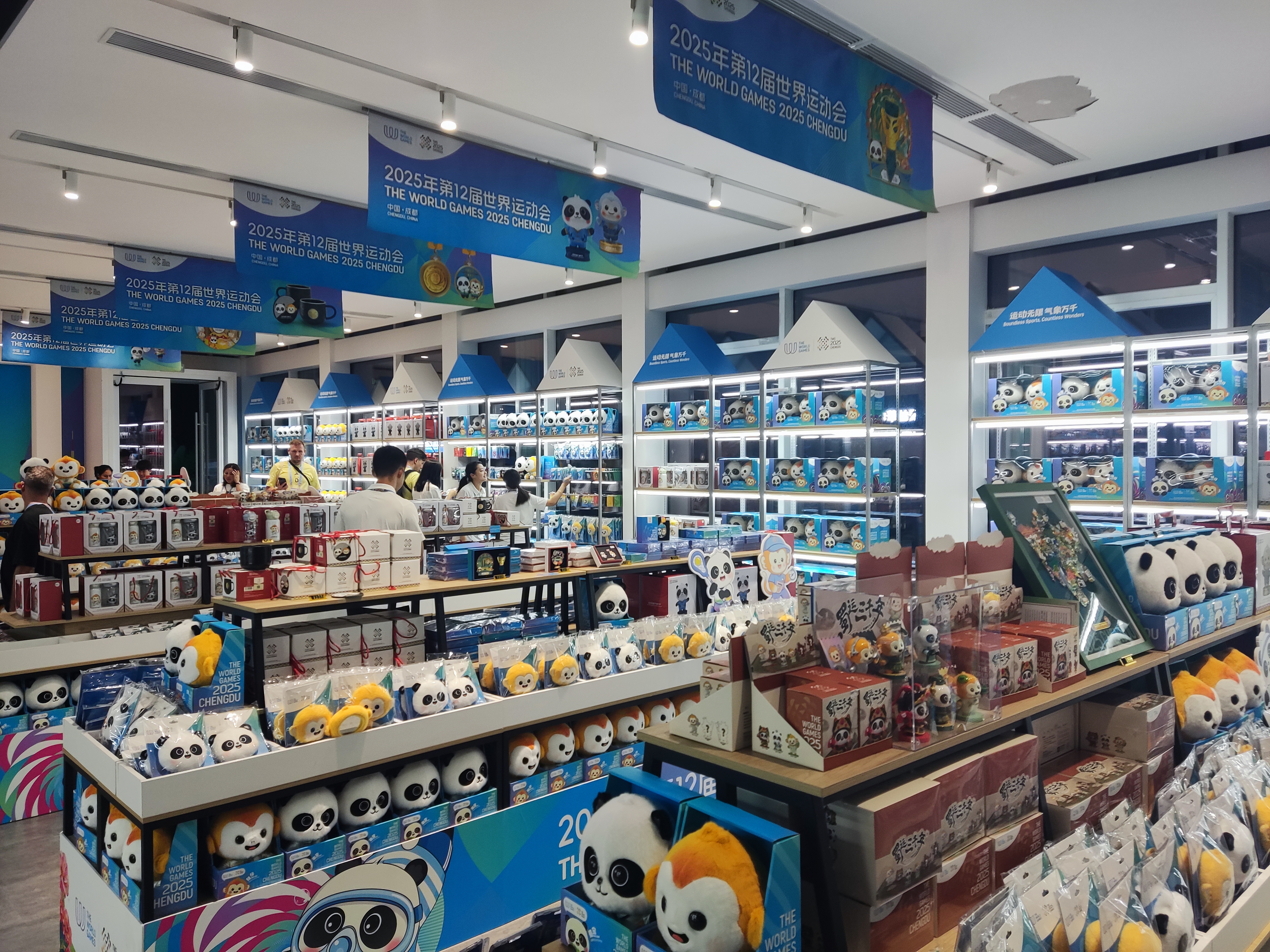
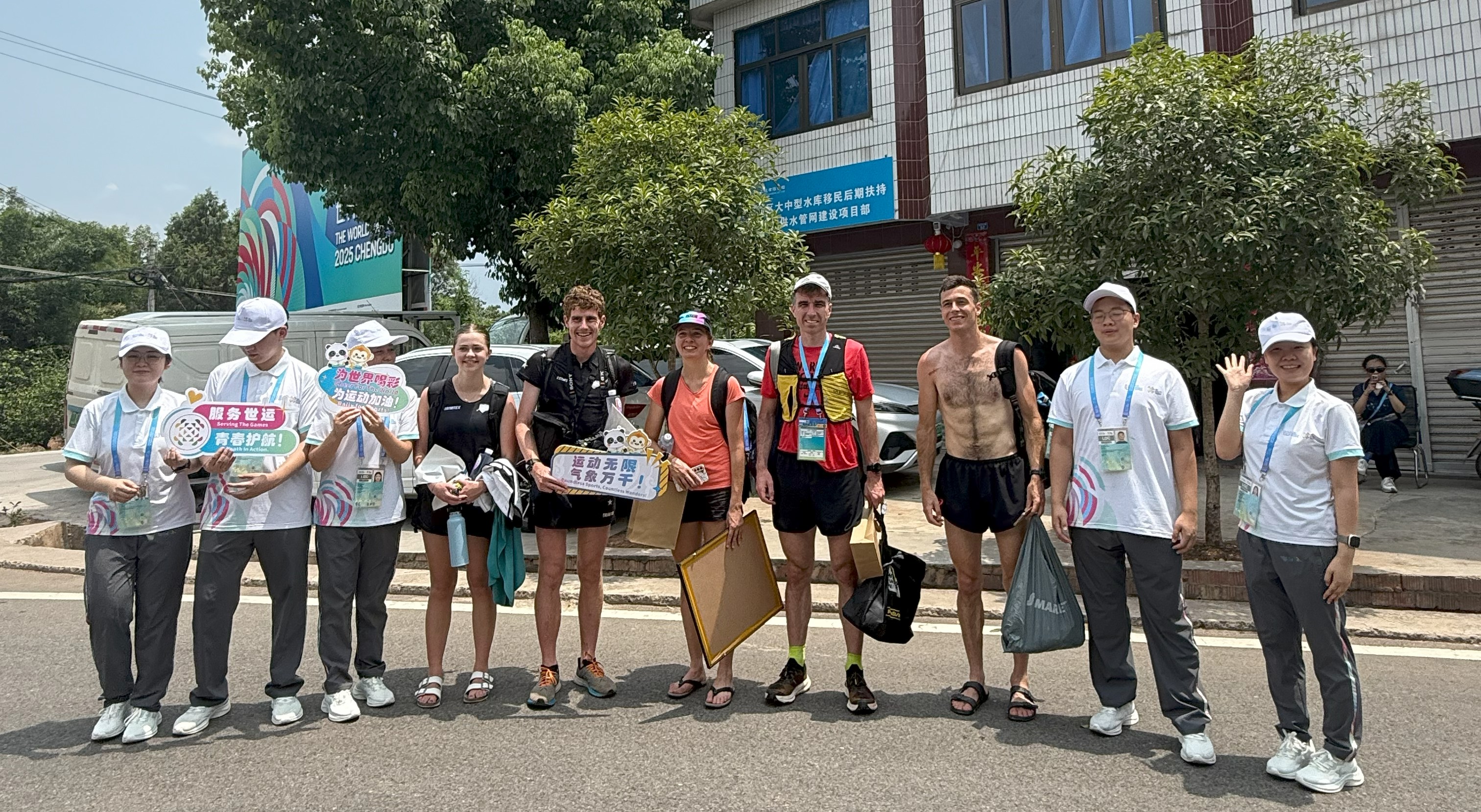
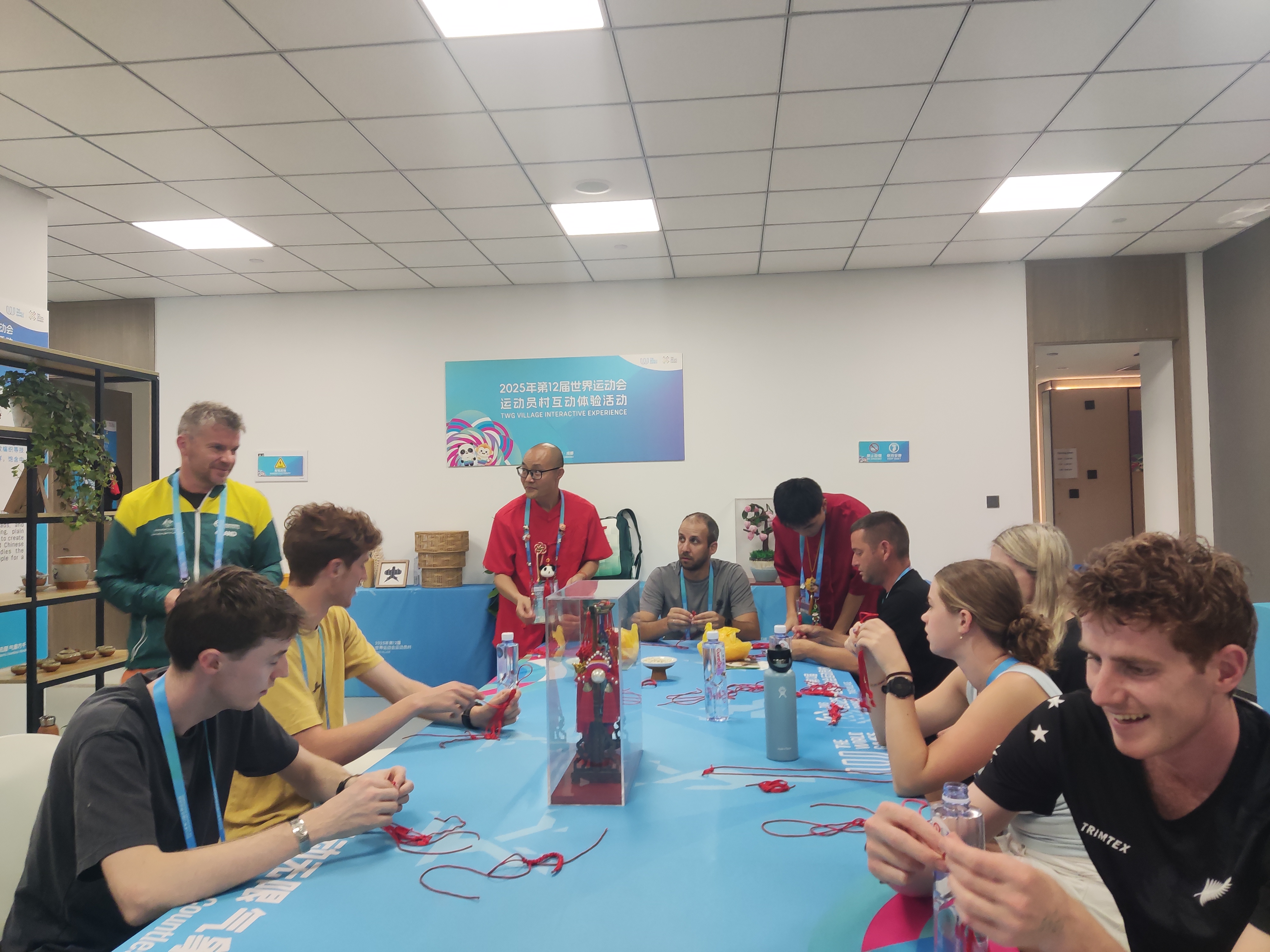
Upon arriving in Chengdu it was clear that the organisers had gone all out. We were guided out of the airport by a chute of volunteers surrounded by TWG promotional signs onto TWG-branded buses. It was already here that I began to adopt the two handed wave, a gesture of maximal friendliness and welcome. I couldn’t help but smile every time I was able to action this greeting. The athletes village was where we would spend most of our time outside of the competitions. It was a dedicated facility which could accommodate a significant portion of the 5,000 athletes and supporting folk. The first time we entered the dining hall was pretty mind-blowing and making use of the internal mini-bus system was a great way to avoid walking in the sweltering 35+ degree heat/>60% humidity. Security was another aspect that surprised me – facial recognition systems, bag scanners, body pat-downs – every time we went out of or into any of the venues we had to go through a checkpoint. It was only after we snuck Zara’s mum into the village towards the end of our stay did I freak out at the number of cameras likely watching our every move. An athletes village or a prison?

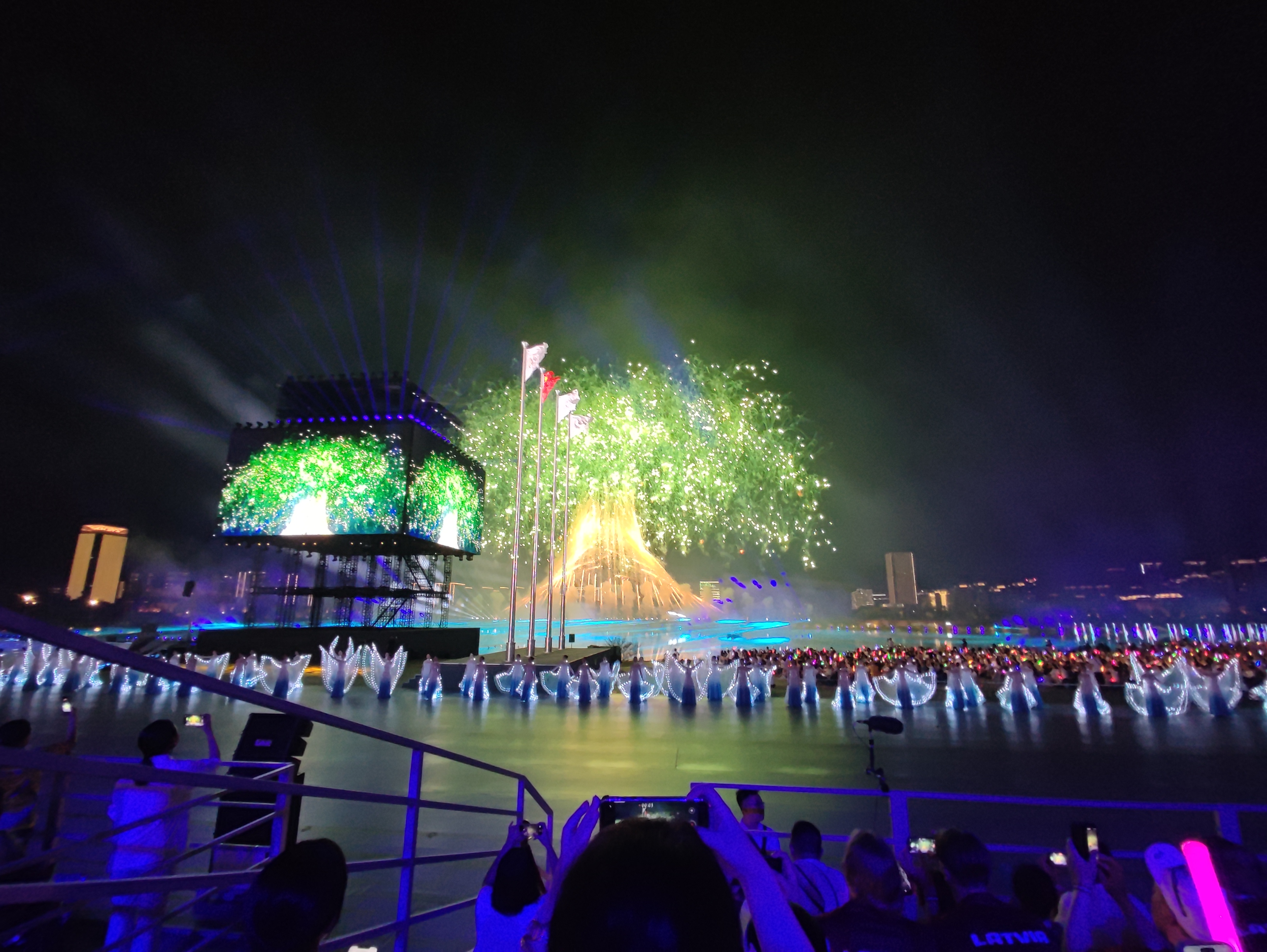
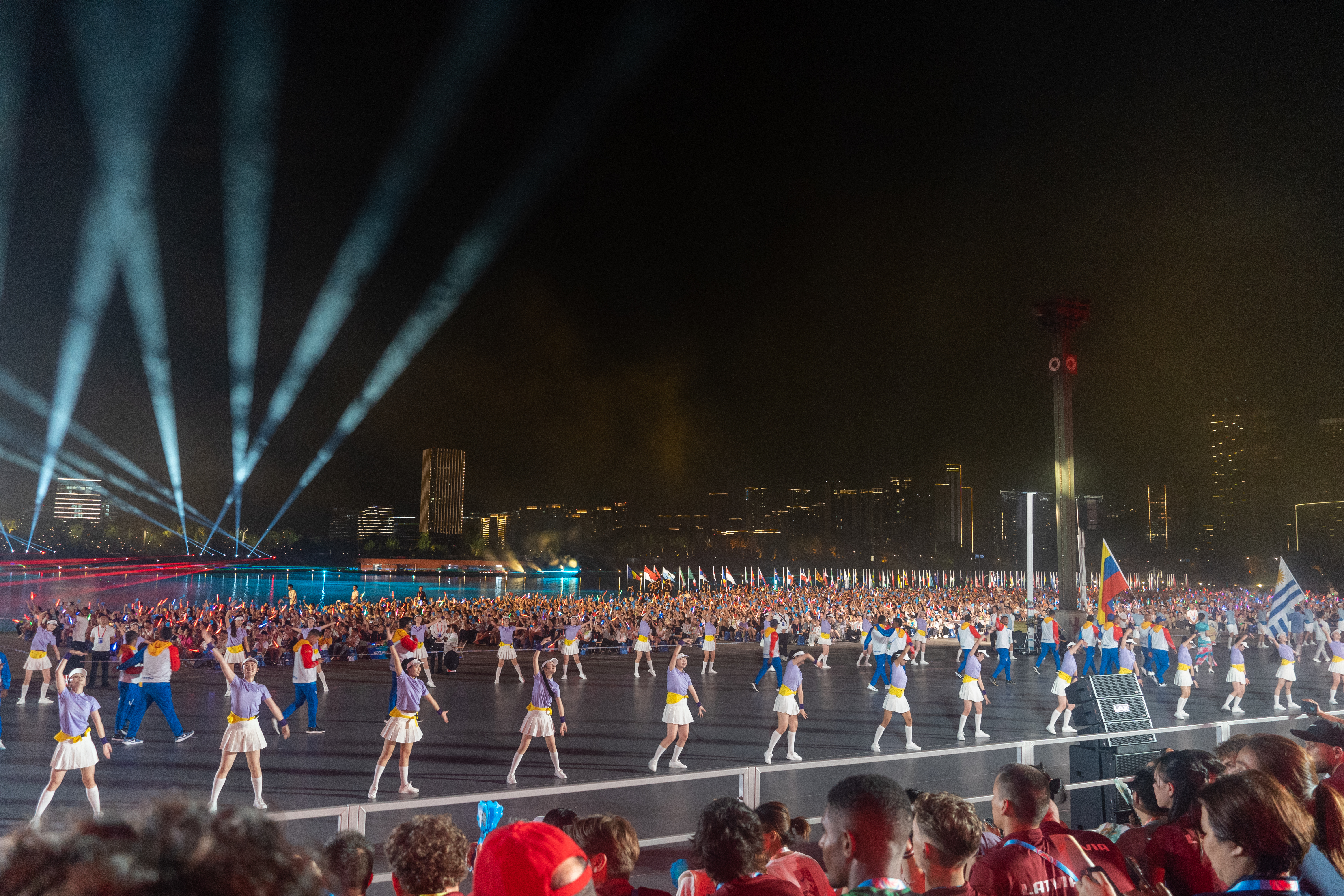
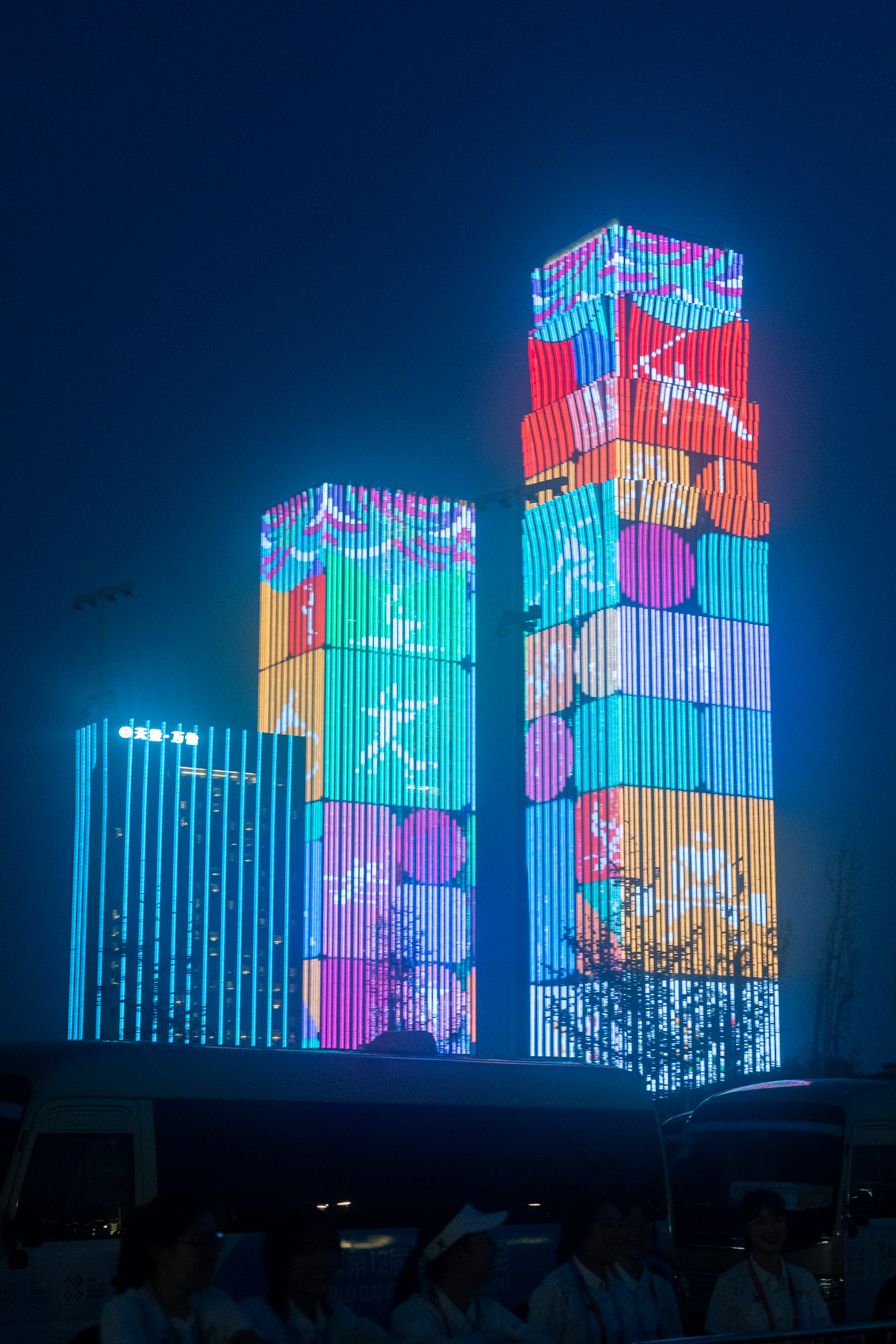
We had a couple of days to acclimatise ahead of the races which saw a couple of model events and one chance to run on the mosaic-style, rural farming area that would be used for the middle. This was probably one of the best aspects of orienteering at TWG, the athletes got to experience, in competition, both rural China as well as modern China whereas most other sports came to Chengdu and simply competed in a stadium or standard sports field. Before the races started though we had the opening ceremony which was just out of this world. A stunning display of dancing, fireworks, and theatrics, it kicked-off TWG in incredible style. It was a late night before the first race but totally worth it and cool to see that nearly everyone got amongst the action.
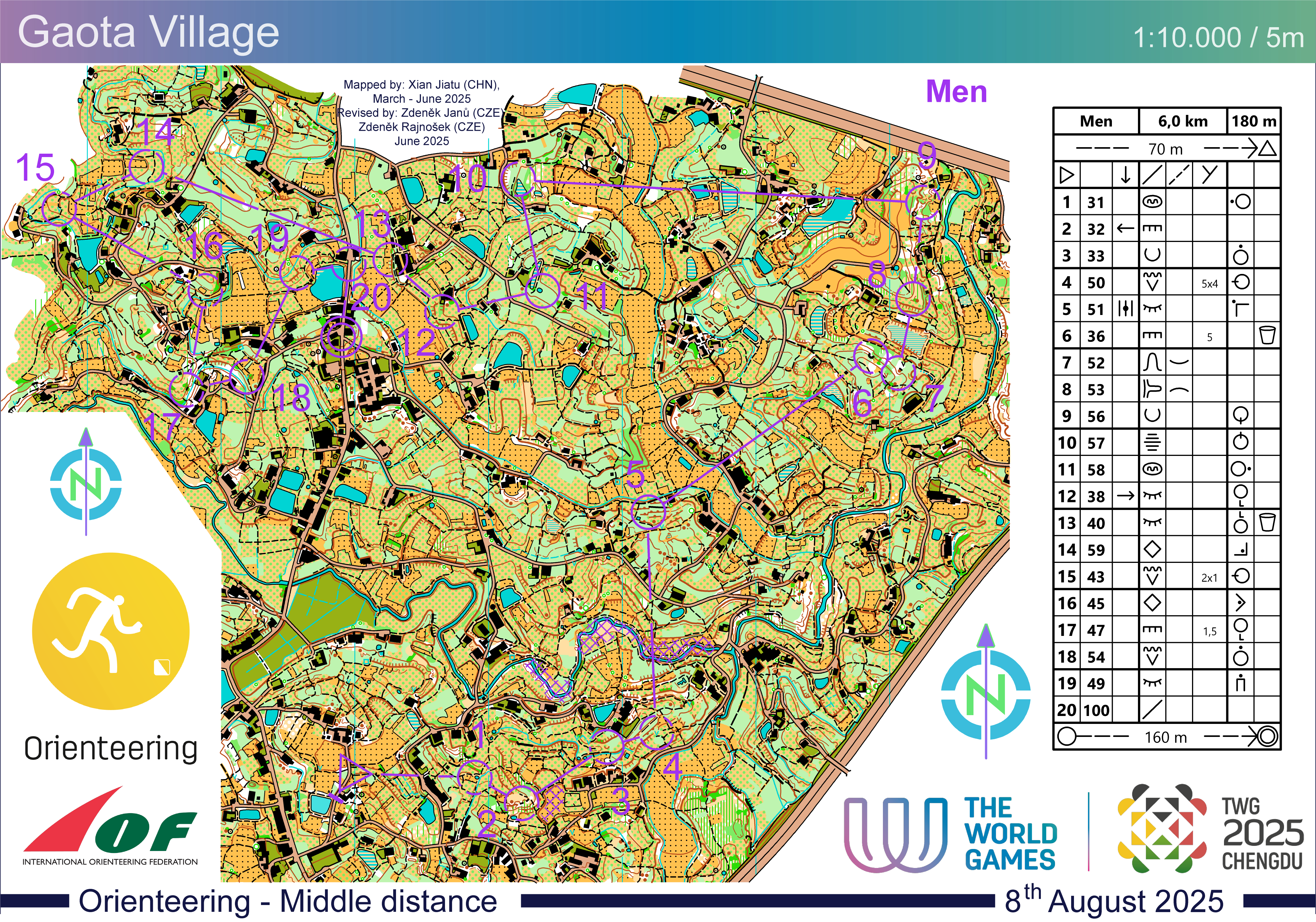
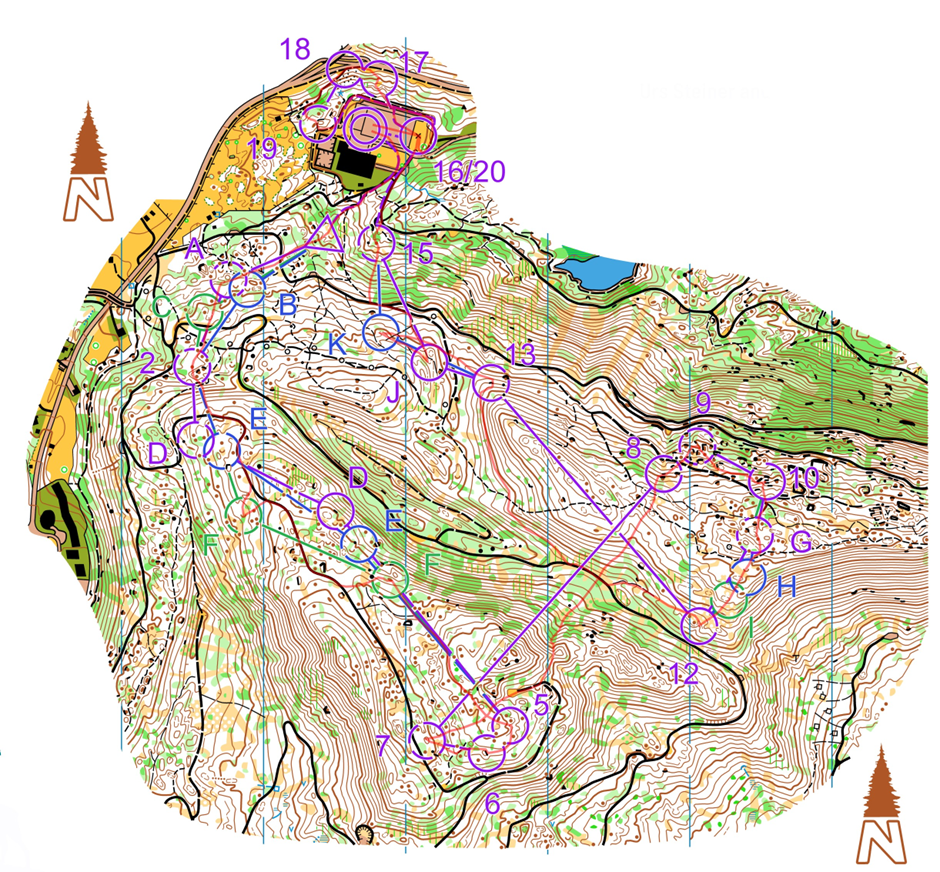
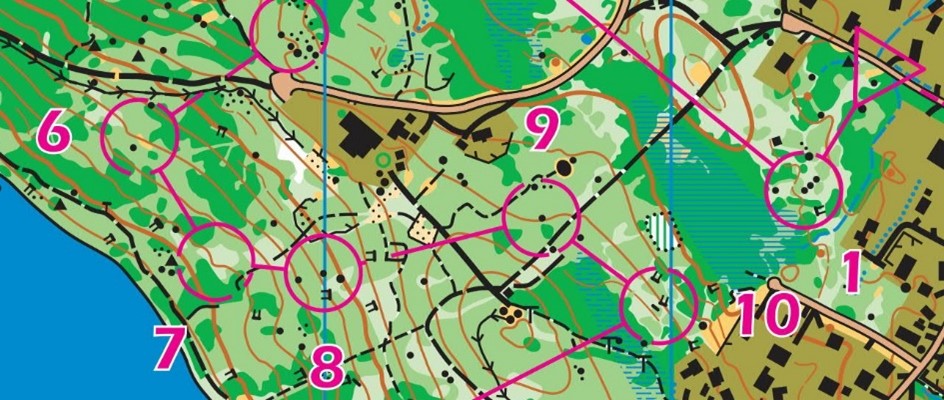
Map from TWG middle distance.

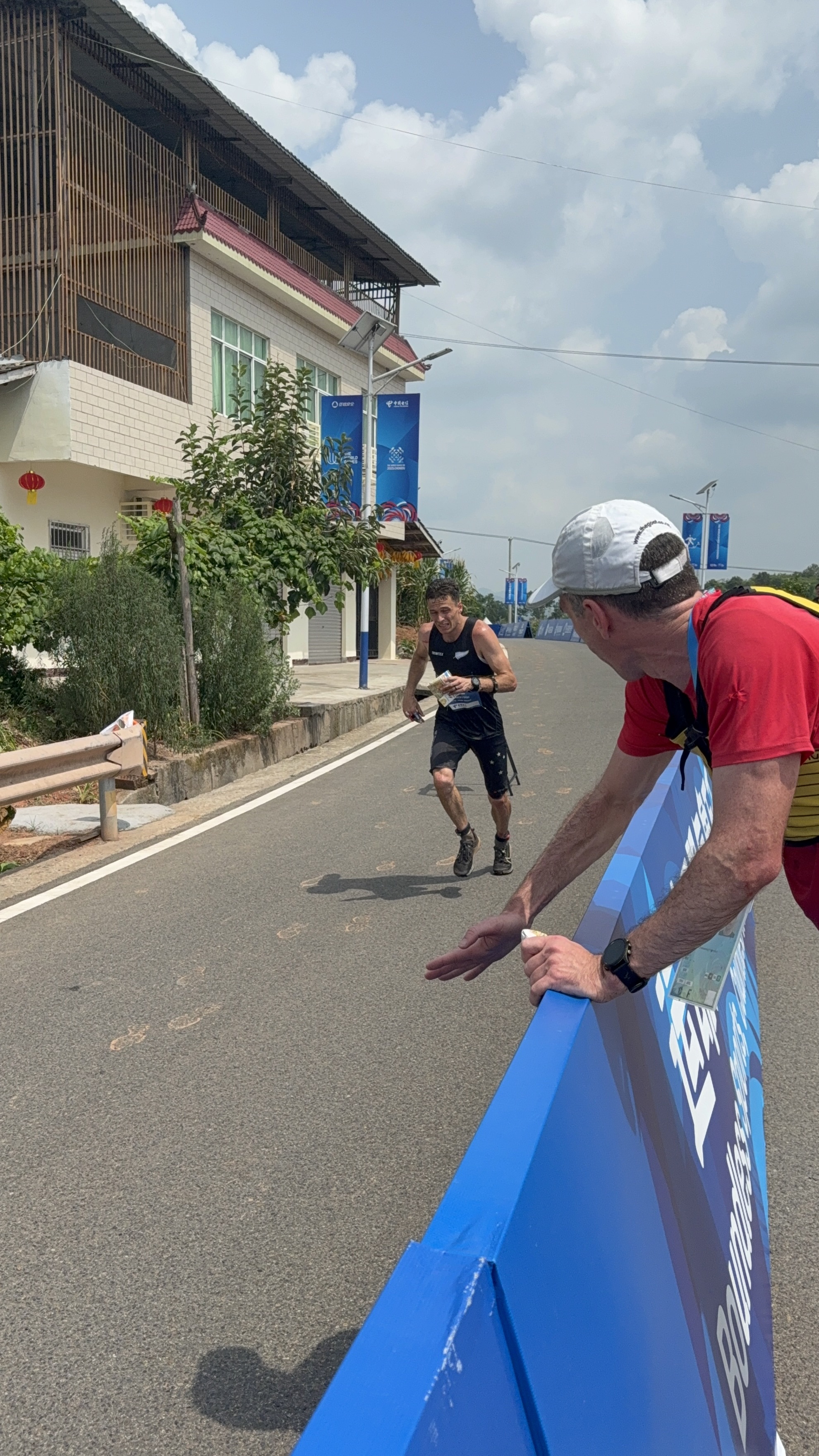
Now the middle race will be memorable for the worst possible reason. The day was hot, but I think the orange-groves made conditions even more unbearable pushing temperatures above reasonable racing levels. I was glad I bought my running vest which we could fill with ice to keep everyone as cool as possible prior to their races, but even still, when I arrived at the finish after seeing everyone off, I could only describe it as a war zone. People were collapsing at the finish line in rather shocking states. One guy was in an ice bath, another soon arriving vomiting at the entrance to the recovery area. I don’t think I have been to an event where wheelchairs were readily being used to move people away from the finish line. Jo had already finished and was explaining to me that the Chinese organisers were panicking that the media were taking pictures of the scenes and they were trying their best to conceal what was happening. Despite this, the NZ team did very well, Tim just 21 seconds off the podium in 4th place, but to my biggest relief there were no significant medical concerns. At the officials meeting for the sprint we learnt that there were two hospitalisations and that one was very serious.

The tragic news would come out on the day of our departure, but it stuck with me for the remainder of the trip and really highlighted the impermanence of our lives. Mattia Debertoli collapsed during the middle, we think falling because of the effects of the heat and then sustaining a head injury. Despite best efforts, he passed away and triggered a period of mourning throughout the orienteering community. I cannot fathom the pain his mother went through as she was flown from Italy to watch her son die. Now I won’t write much more on this, but will acknowledge that it has had a profound effect on many. I hope it triggers the IOF to develop a heat policy and we see some changes made, especially as more events begin to push the upper limits of what is reasonable to be racing in. It is just very sad that it should take the loss of a young, talented person for this to happen. My heart goes out to Mattia’s family and friends.

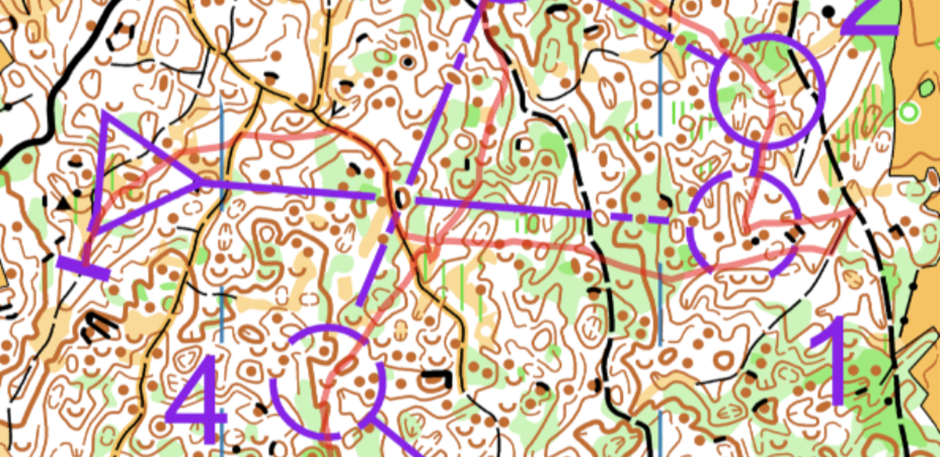
This was in the background and the remaining events happened without much direct impact. Fortunately rain came and with it cooler racing conditions, as well as the last two races being sprint distance, hence significantly shorter. We had high hopes for the individual sprint and the technical horticultural gardens map (which was absolutely epic) suited us. Unfortunately, both Tim and Jo missed a critical straight route choice to the 4th control which put them again outside of the medals. Redemption came in the sprint relay, where Laura and Tim had the team in first after two legs. Jo ran strong to send Zara out in a really high position for NZ, making for some exciting spectating. In the end we were 5th and that meant we had achieved our mantra for the week – to “bring glory to the country and strive to achieve the top 6”.

Aside from the racing it was super fun to spend the week with the team along with other orienteers and athletes from NZ and different sports. It was fun to learn about new sports like fistball which bolstered NZ numbers significantly with both men’s and women’s teams, as well as learning about other weird sports like tug of war, drone racing, and ultimate frisbee to name but a few. One highlight was watching the GBR men’s tug of war team win the gold medal pull/tug(?) at lunch on the live stream then seeing them that evening in the dining hall with their gold medals absolutely fizzing. Another highlight was an excursion to watch Karate and learning the difference between Kata and Kumite.
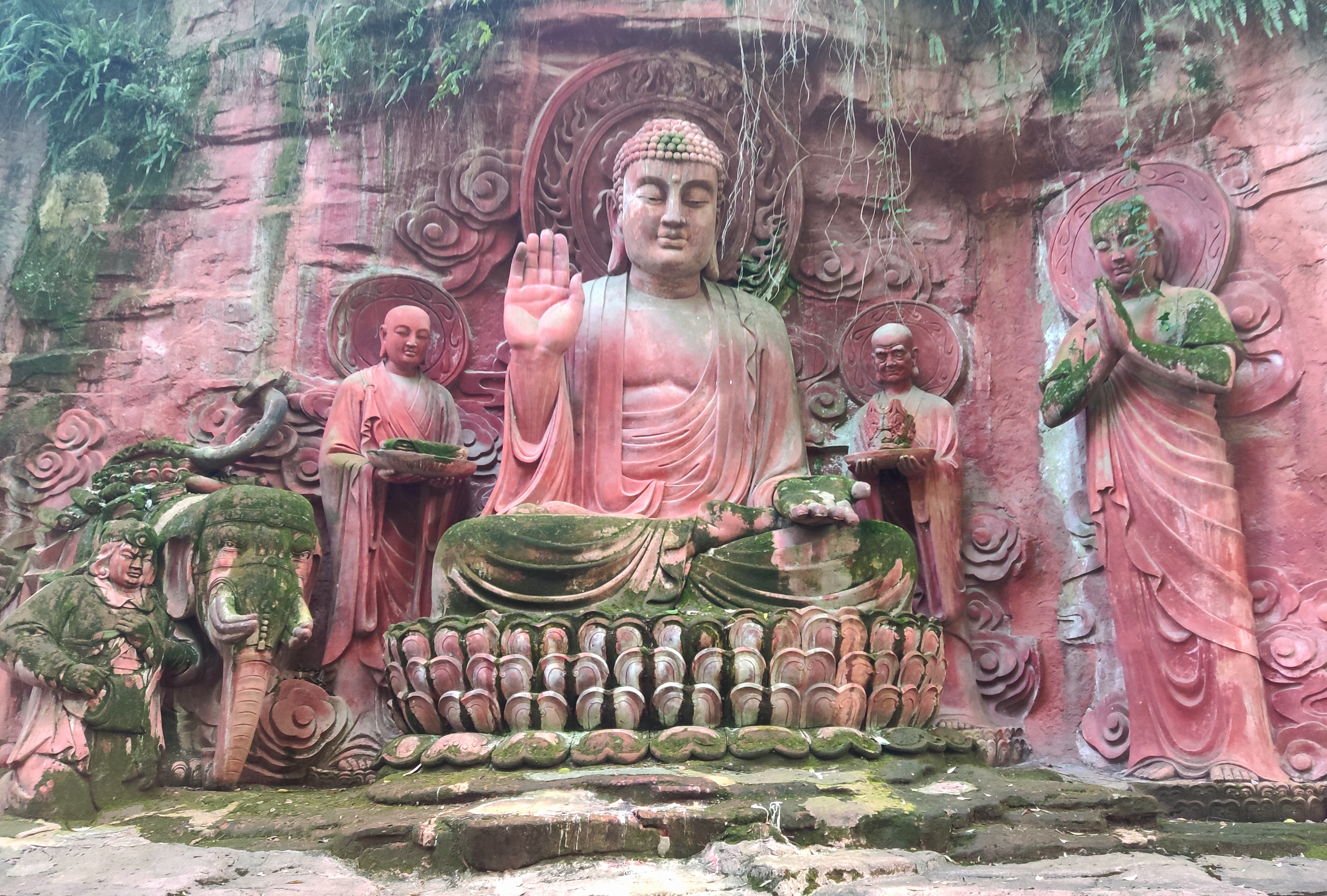
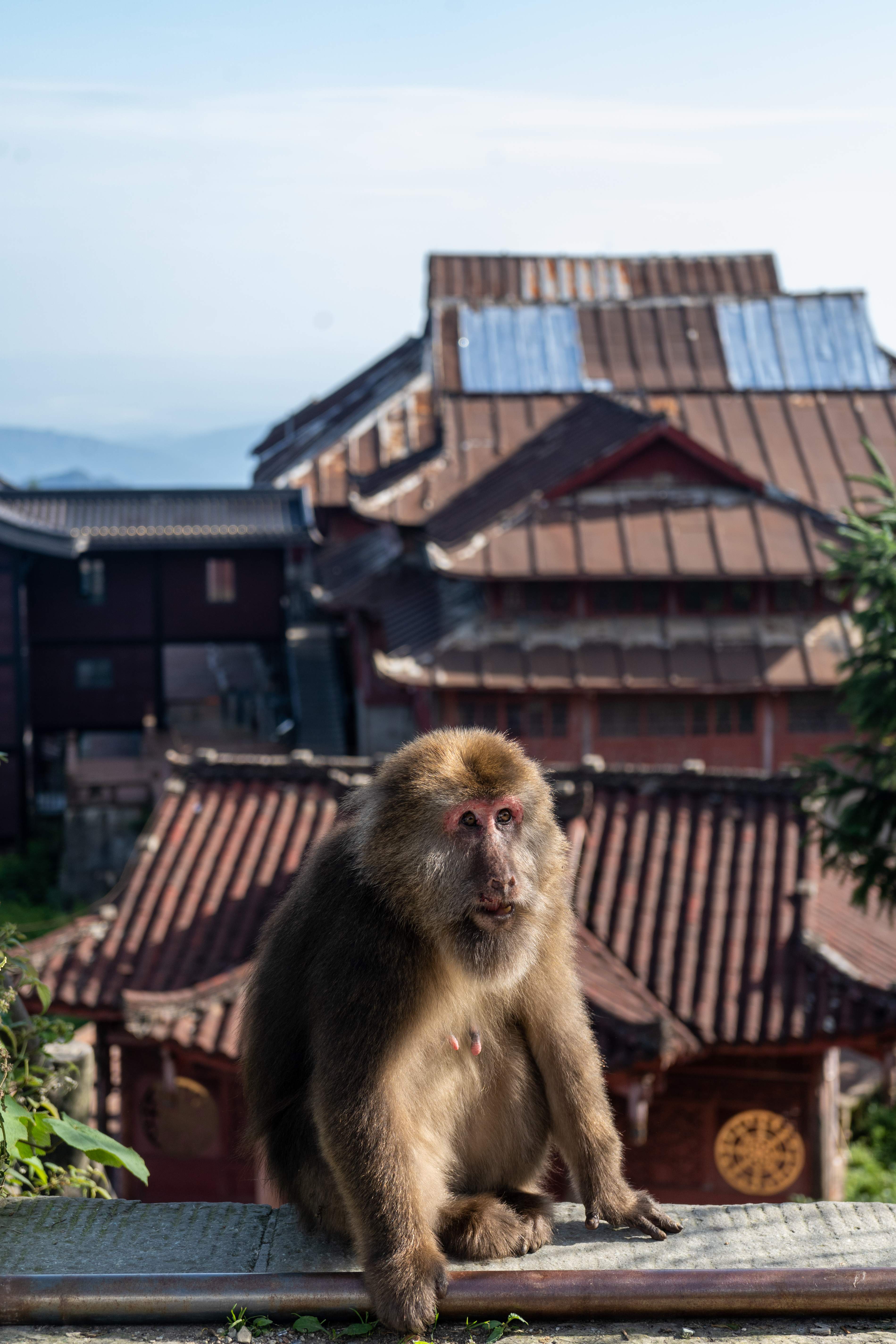
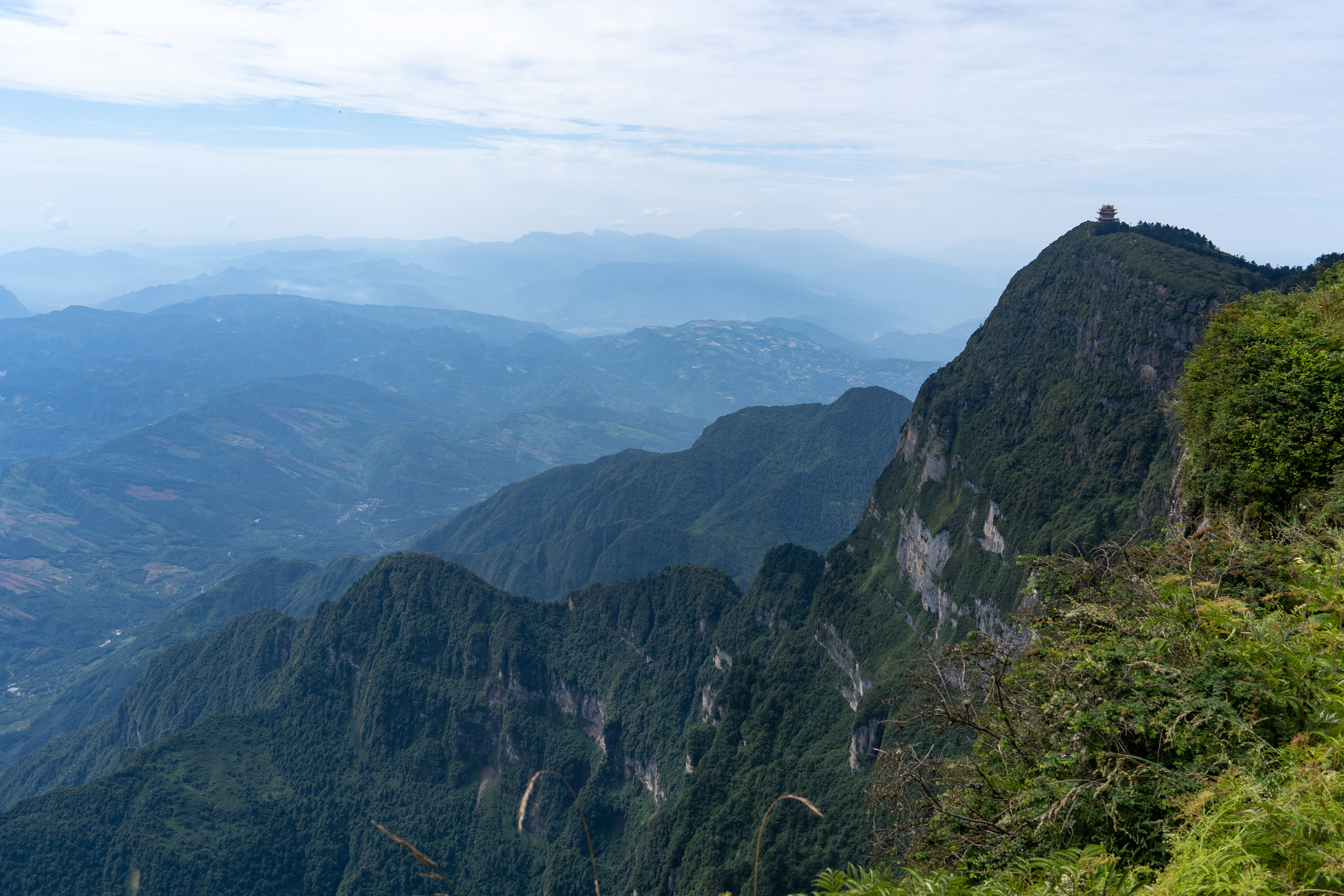
The second part of the trip was a more direct cultural, if not spiritual, experience. Before departure I had scouted out two areas I was keen to explore – to the south, Mt Emei and to the west, Mt Qingcheng – the two MTNs. My expectations were well set thanks to Liam Neeson.

Expectations of sacred MTN climbs.

Jo had some time after TWG had wrapped up so I would not be travelling alone. Together we departed the athletes village and made use of the Chengdu metro for the first time before getting on a high speed train south to Emeishan City. It was probably then that I began to truly appreciate the sheer number of people in China and the scale and pace of development the country has seen in recent decades. The train station was absolutely rammed with people and then as we sped out of Chengdu at 240 km/h we passed more tall apartment buildings than I could count. We soon found ourselves outside of the city boundary in a more rural area, but the train line had been designed clearly with a rather simple objective function – straight and flat as possible. We were either elevated above the ground or navigating the hills through a tunnel. The engineering aspects of this trip were a real treat. We arrived at our accommodation, aptly named Mount Forest hotel to begin our Buddhist experience.

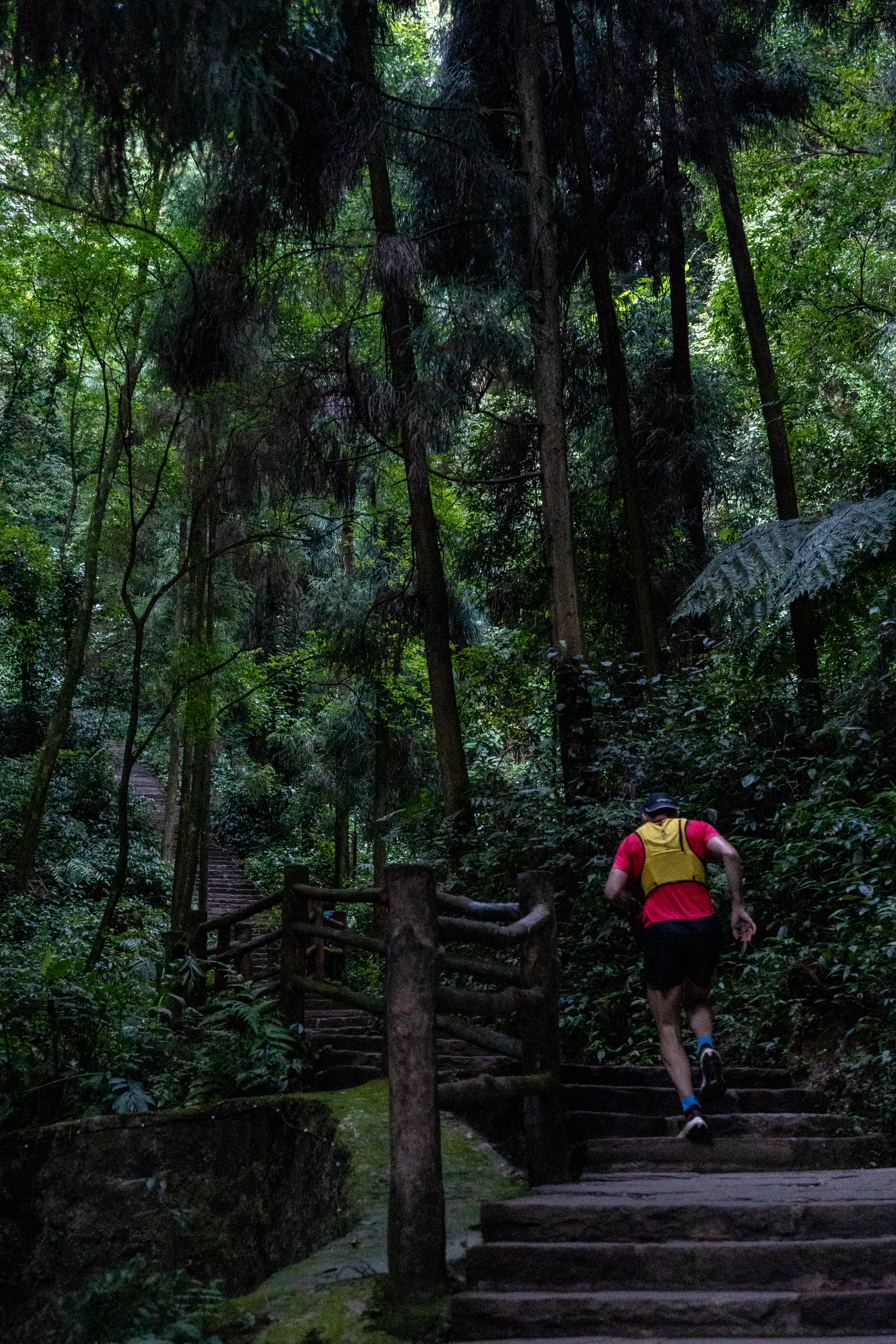
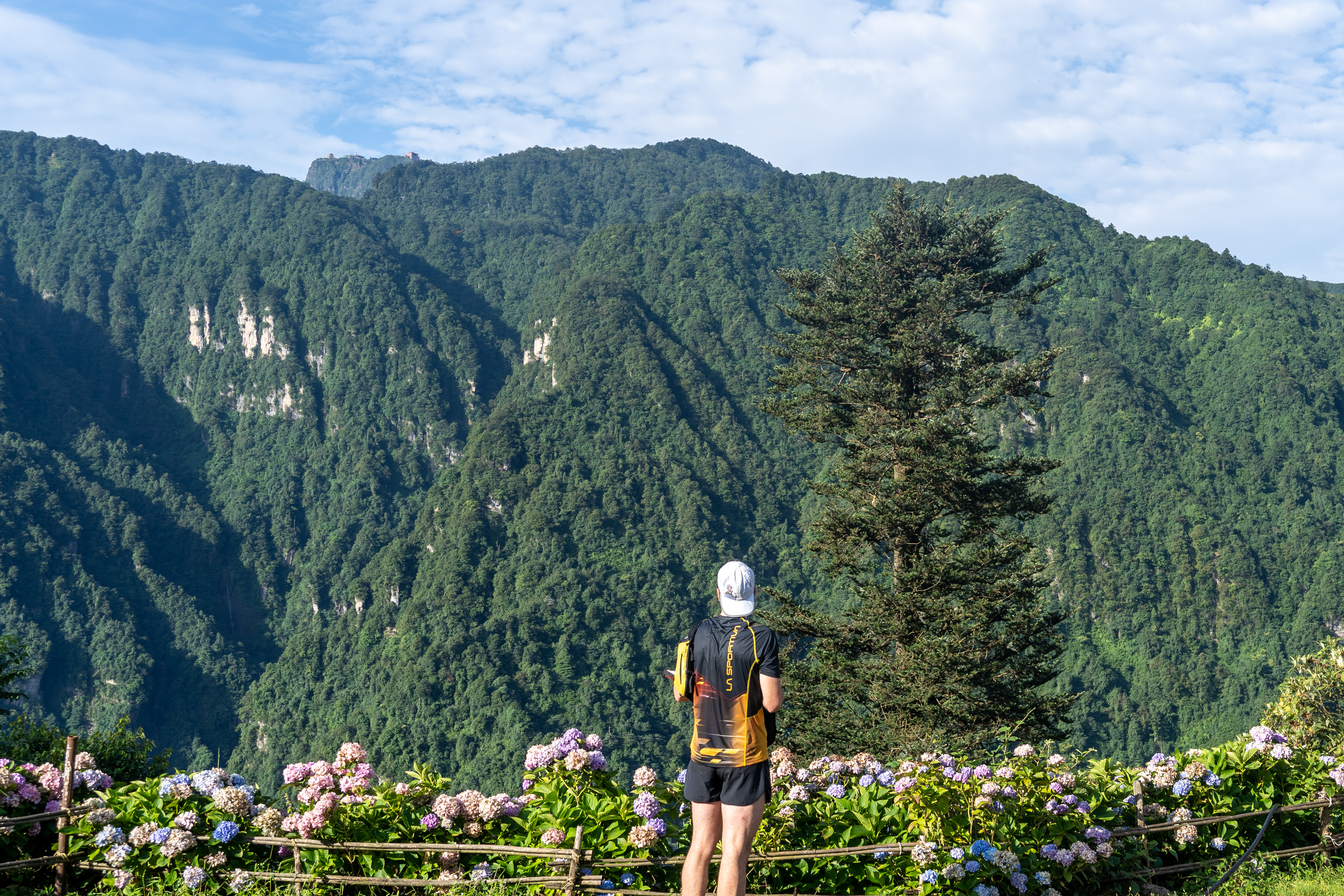
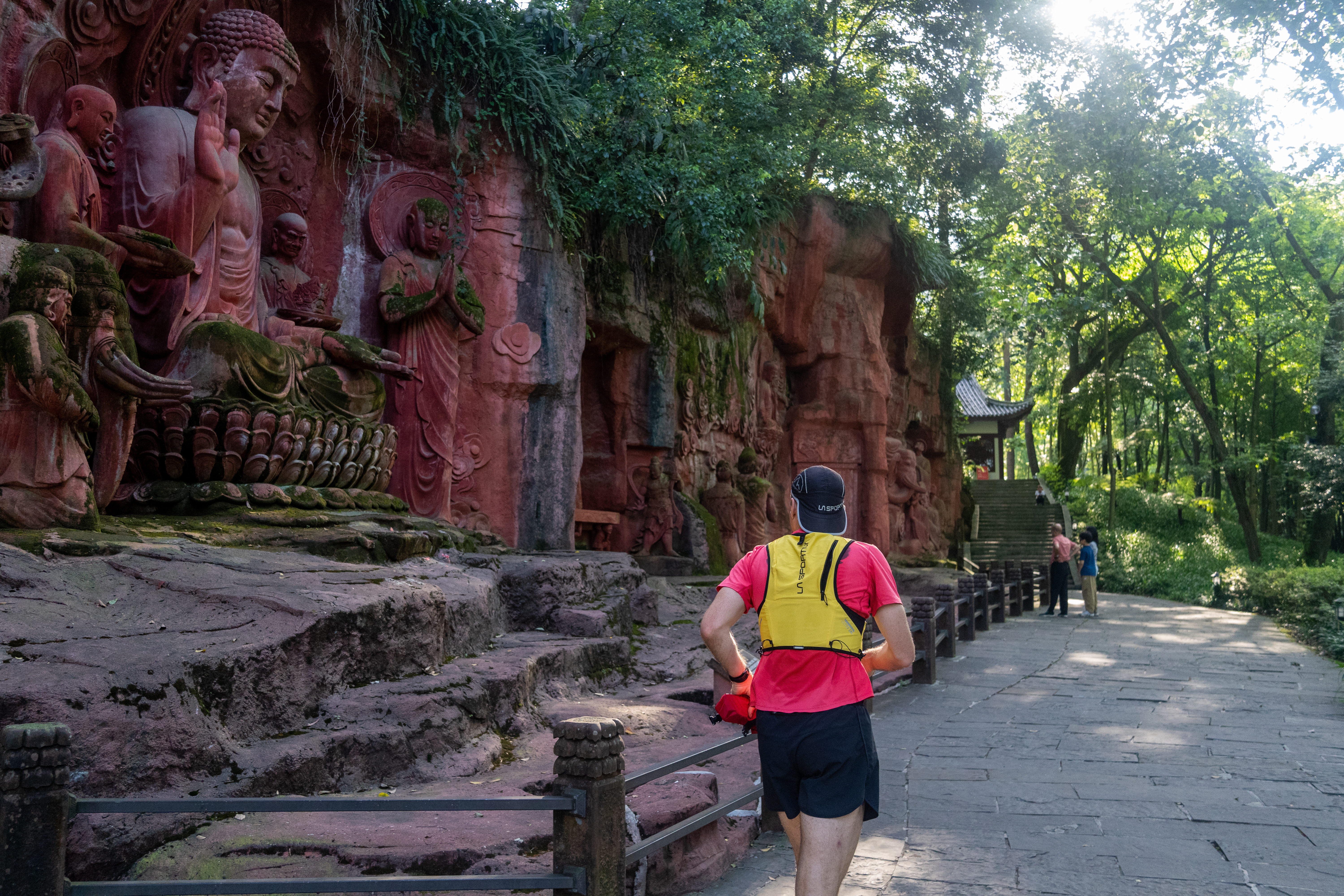
Serendipitously we met Patrick after an exploratory jog that evening. He spoke really good English and would offer amazing insights into Chinese life and history. He shaped our next few days by offering advice for what we should do which I think made it that much more special. He was a failed Buddhist monk at 19, but had lived in the area his whole life and seen the popularisation of the Mt Emei region since Mao’s anti-religious campaigns of the 50s to 70s. Over dinner, cooked by his wife, we schemed the next few days. First a gruelling pilgrimage up Mt Emei, cheating a little bit by taking a cable car some part up. I couldn’t believe the elevation gain when I first plotted the route but in the end we climbed 2,300 m over 13 km. The path was all stone steps, connecting numerous temples dating back to the 1st century CE. At the summit was a 48-meter tall golden Samantabhadra Bodhisattva statue which was super impressive. Fortunately not many of the Chinese tourists had our physical capacity so we could enjoy a relatively quiet run for the most part. But when we came near the top, where the buses dropped people off, we encountered a sea of people. It was a little testing but most were amazed by two white men, especially one with red hair, running up a mountain. With the double handed wave being used effectively we eventually made our way to the top. Thinner air, exhausted, I was definitely appreciating the buddhist notion that life is suffering.
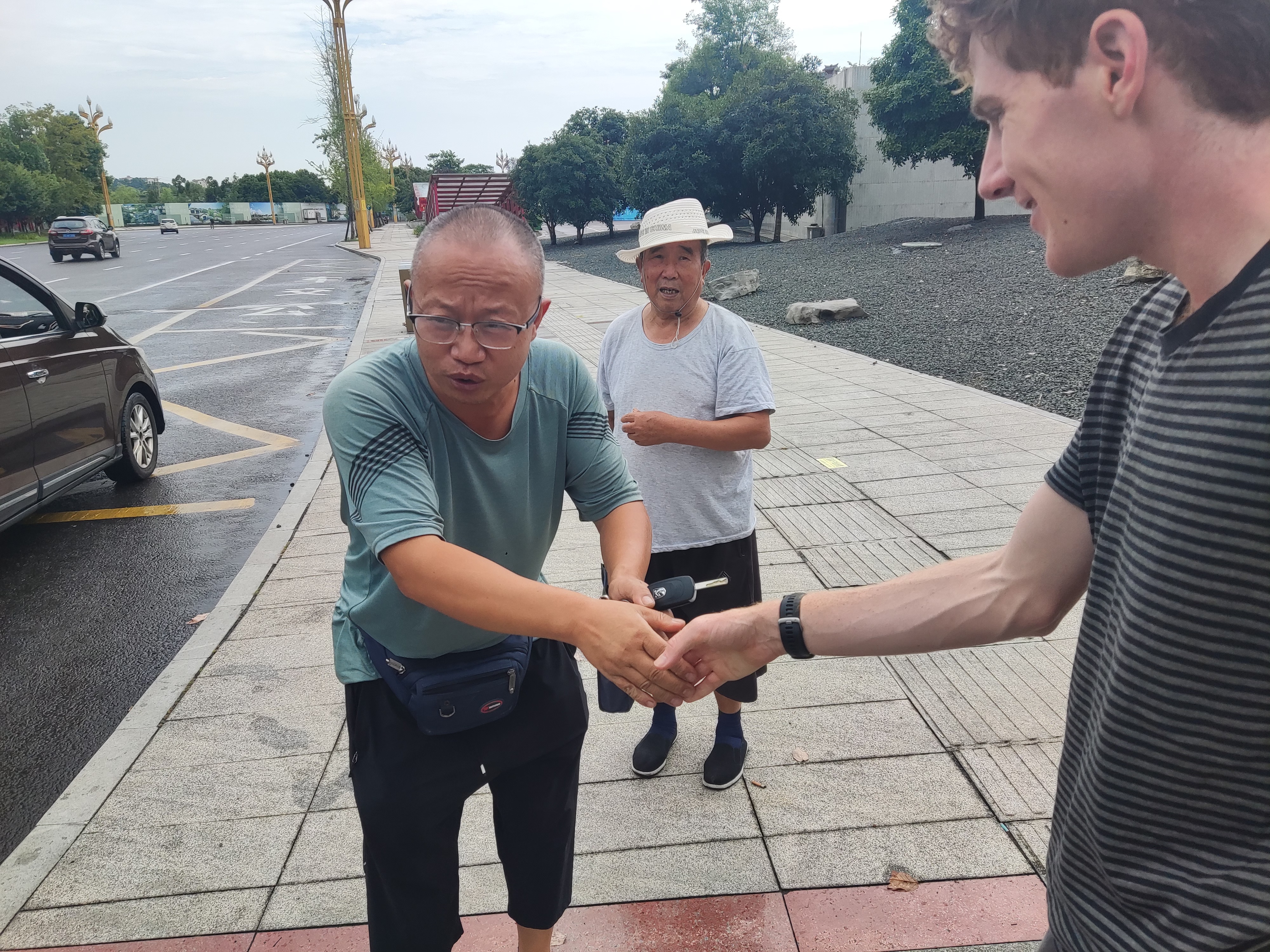
Patrick, absolute legend.

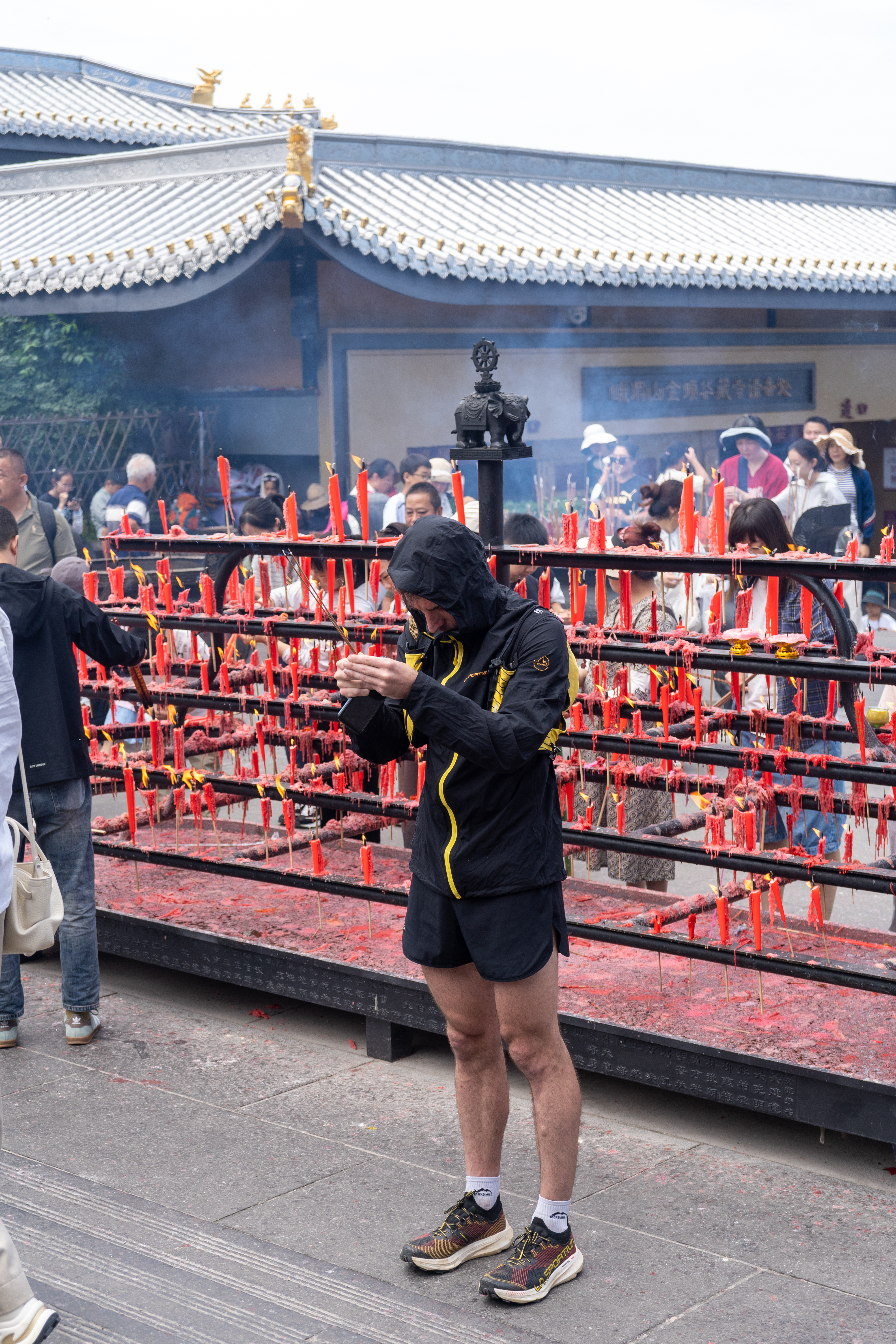
Following a 2-hour bus ride down, some food and a nap, Patrick had organised for us to stay at a nunnery part way back-up the mountain. We arrived quite late so the first glimpse of the nuns was the following morning, where we could observe their daily prayer. The sounds, both of their chants and their instruments, were captivating. Following breakfast at the temple it was a walk to the hotel and conclusion of the Emei-mmersion.
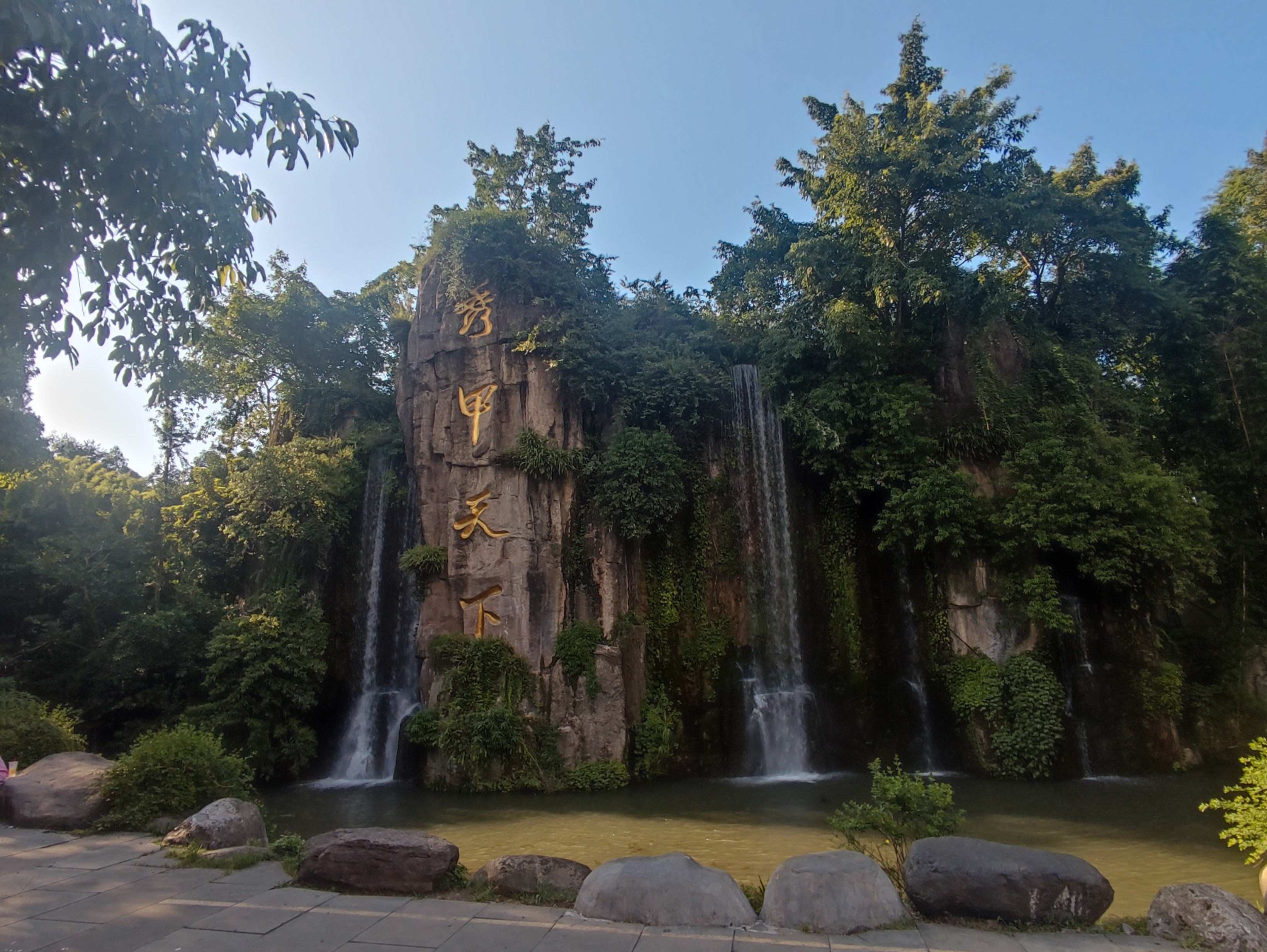
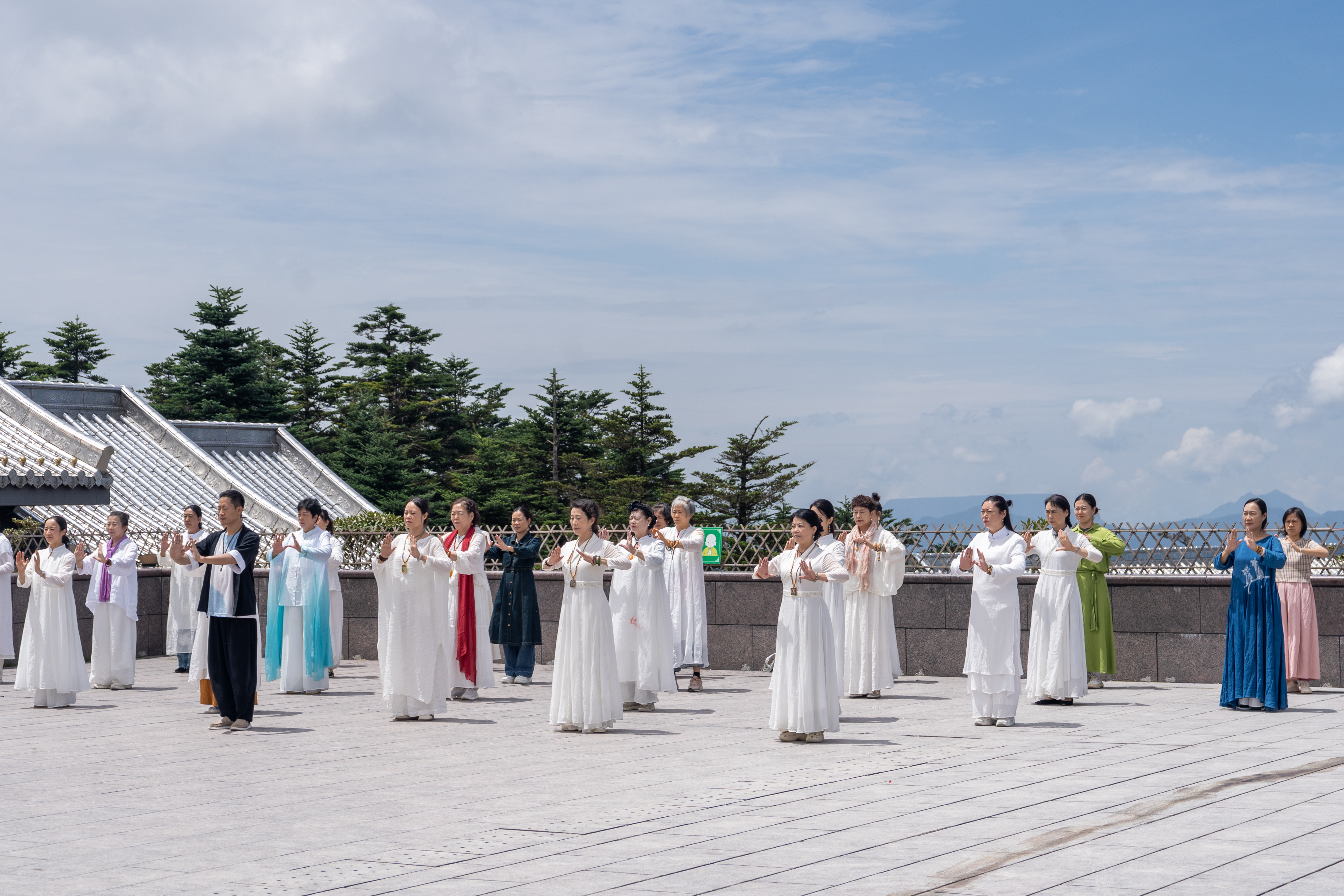
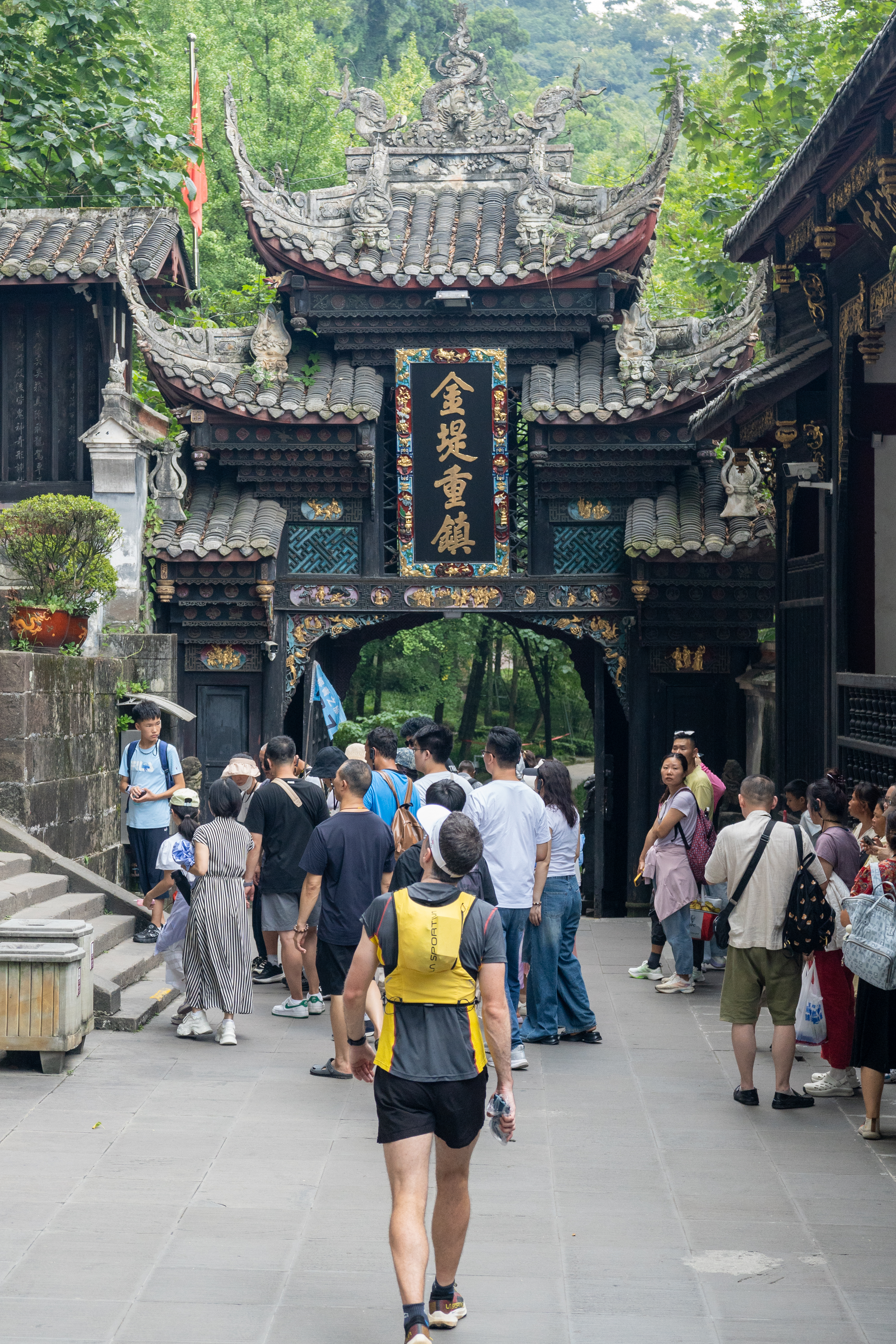
For the remaining time in China we were based in Chengdu and there were many more intangible cultural experiences including summiting Mt Qingcheng. Although it didn’t quite have the same epicness or meaning as Mt Emei it was cool reading about Taoism and seeing how some of its core concepts have appeared in Western Culture (e.g. large parts of Star Wars). I really connected with the idea of finding harmony with the Tao (“the way”) and pursuing balance in one’s life pursuits.

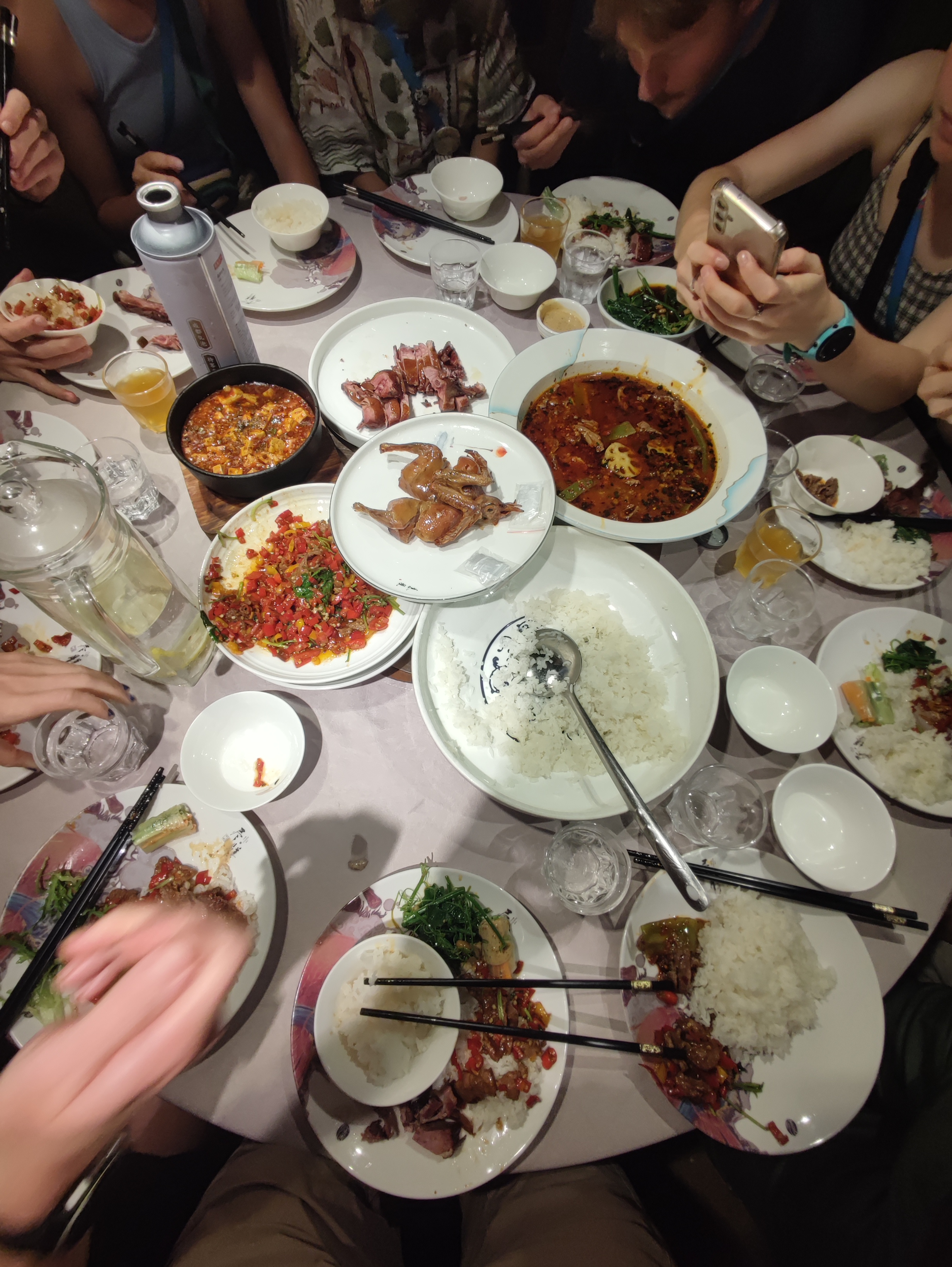
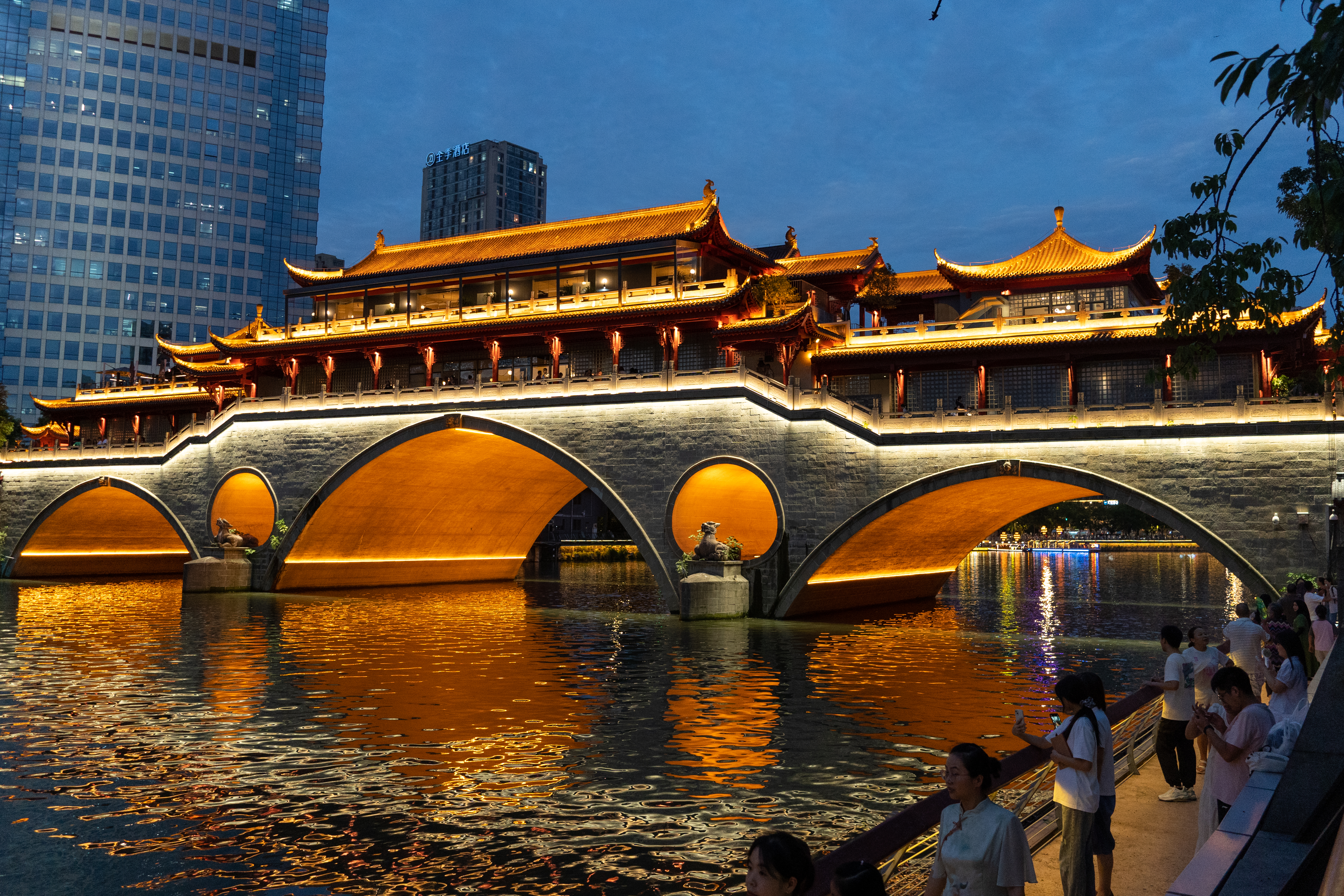
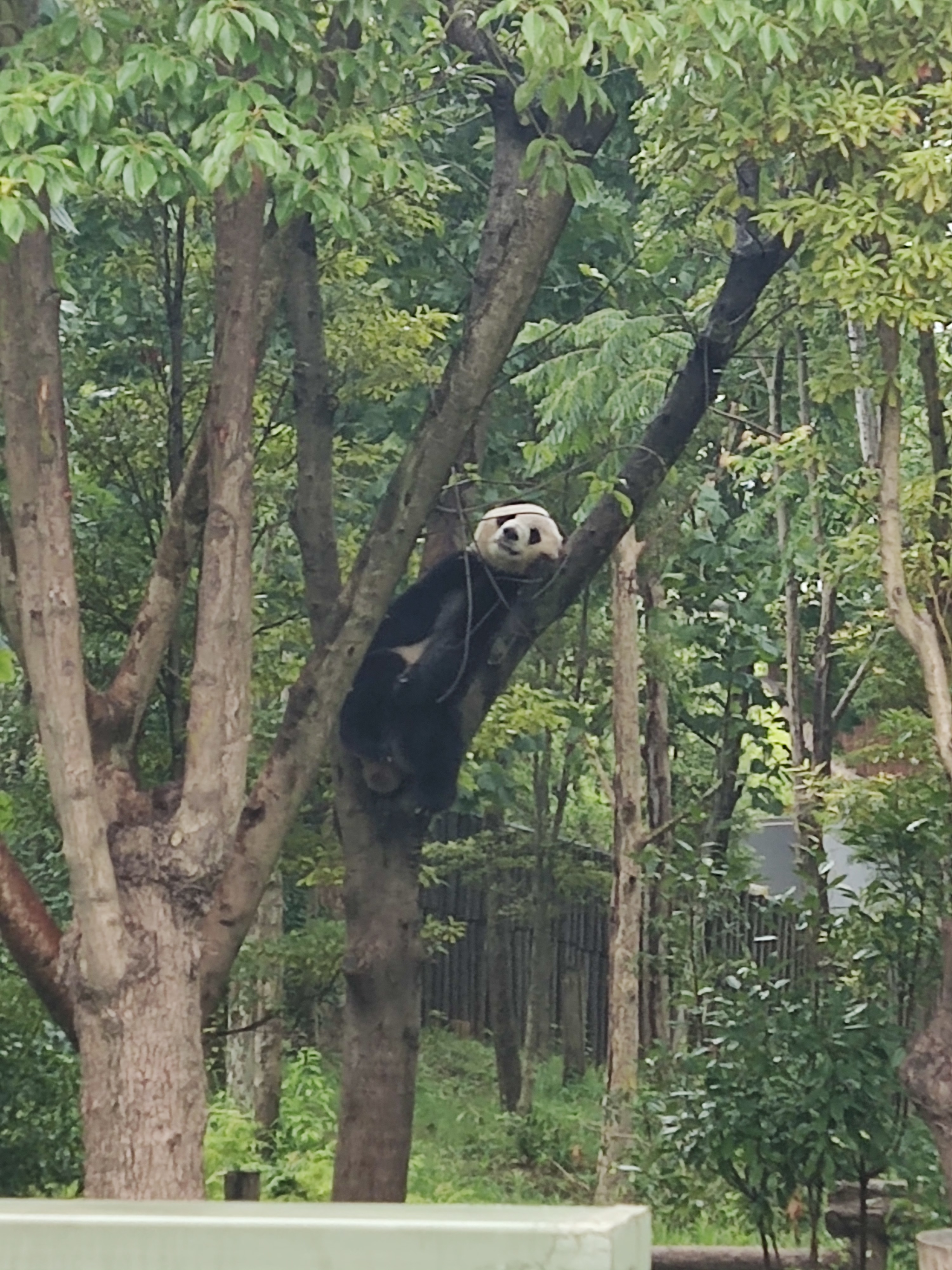
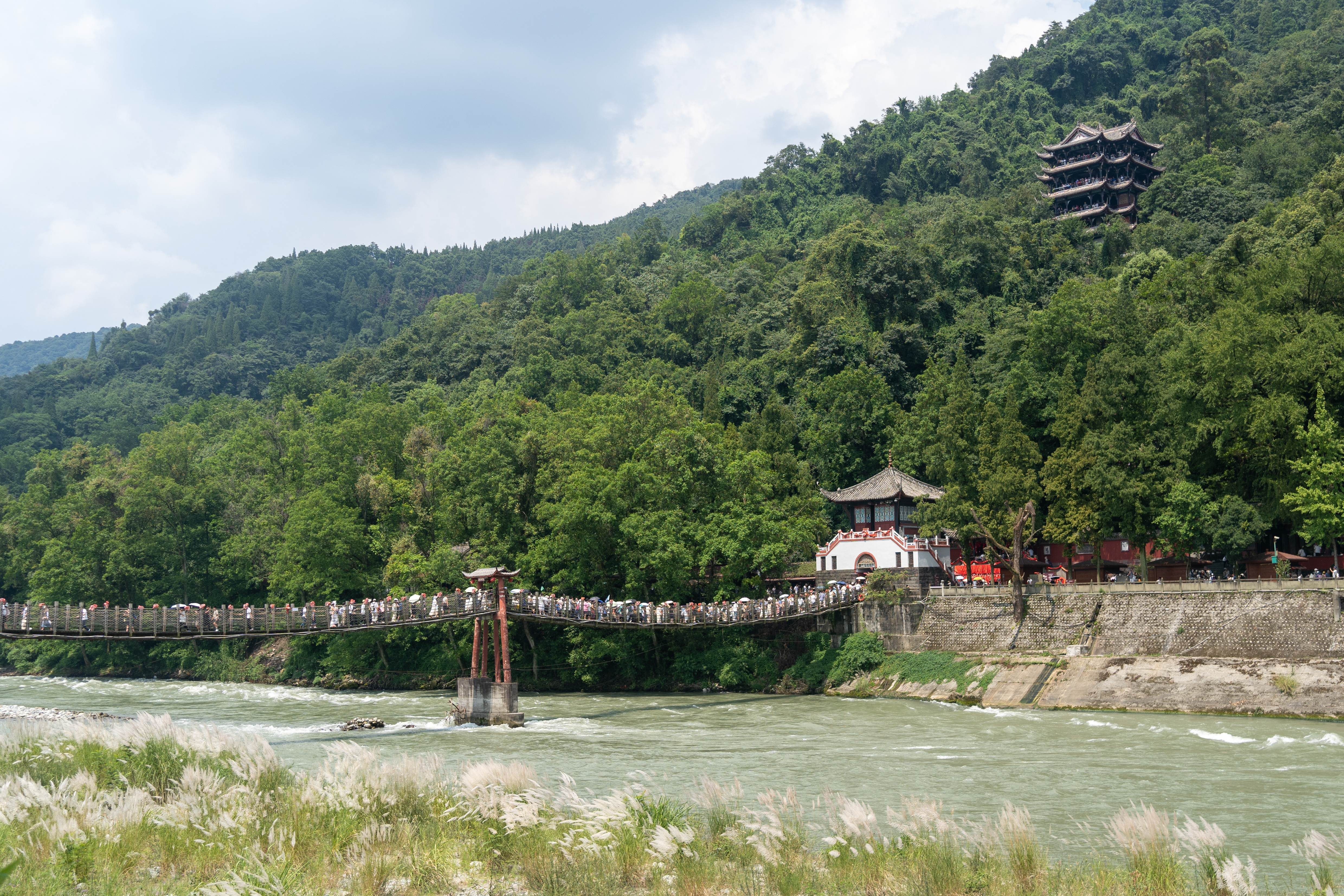
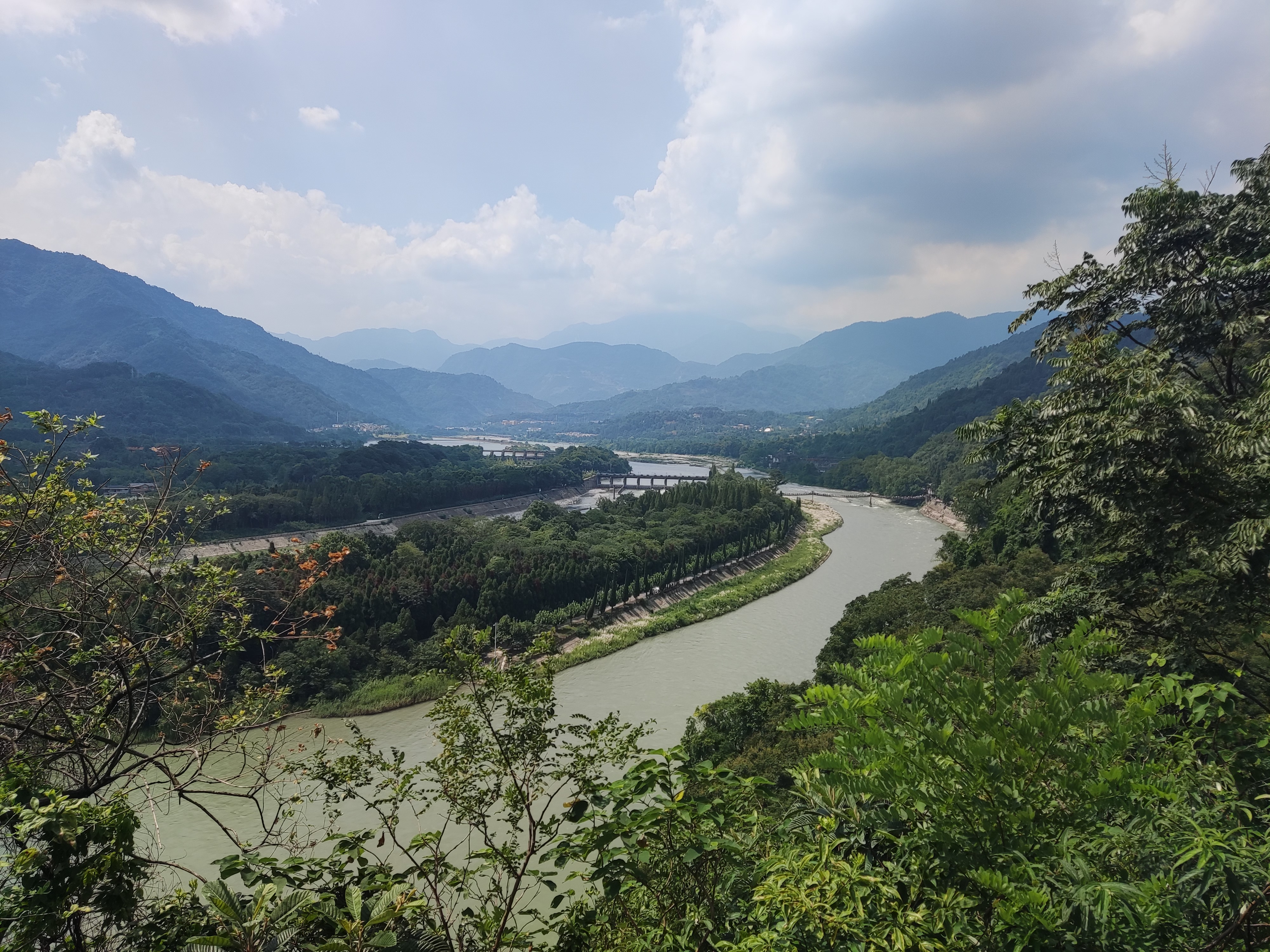
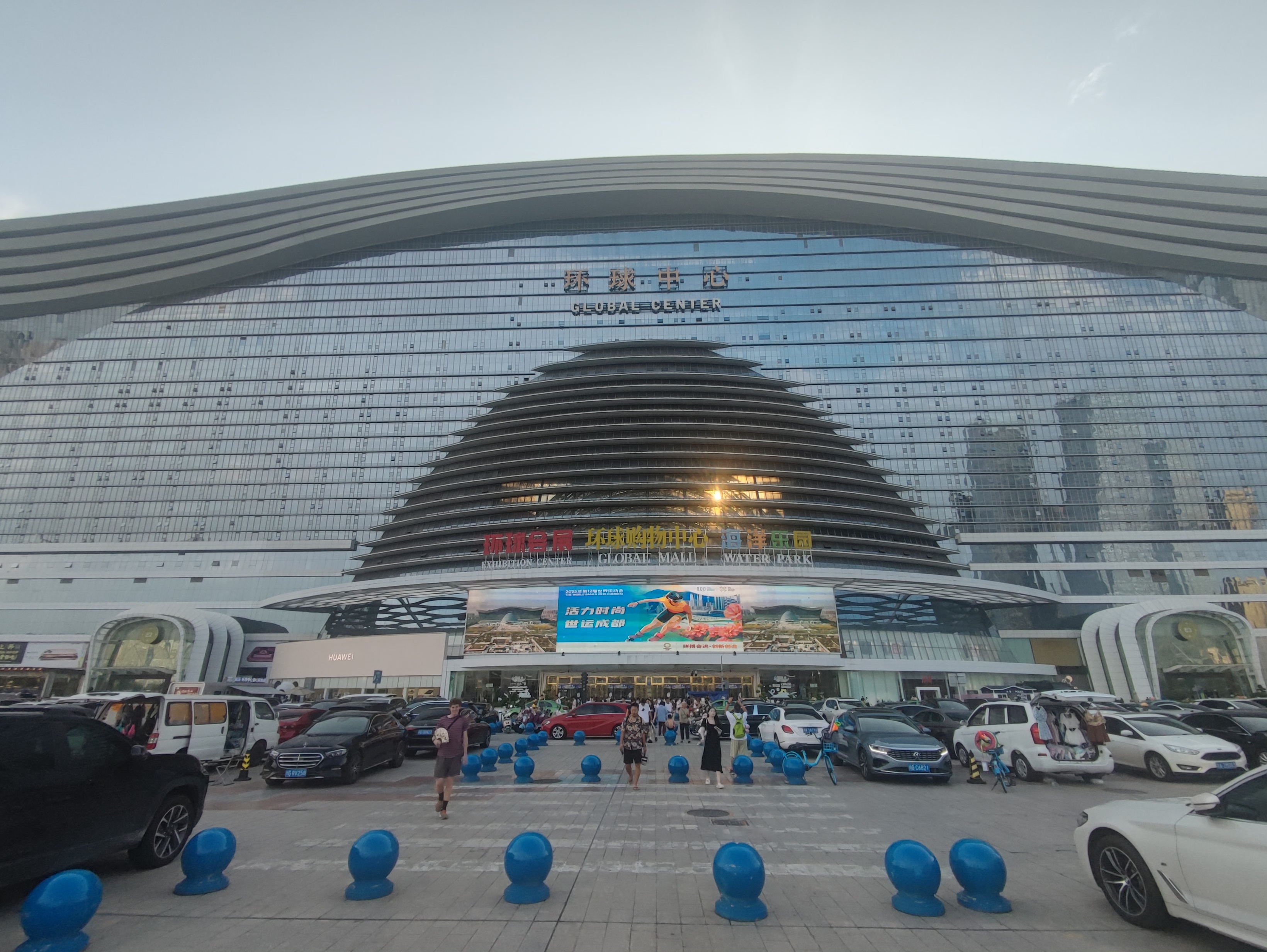
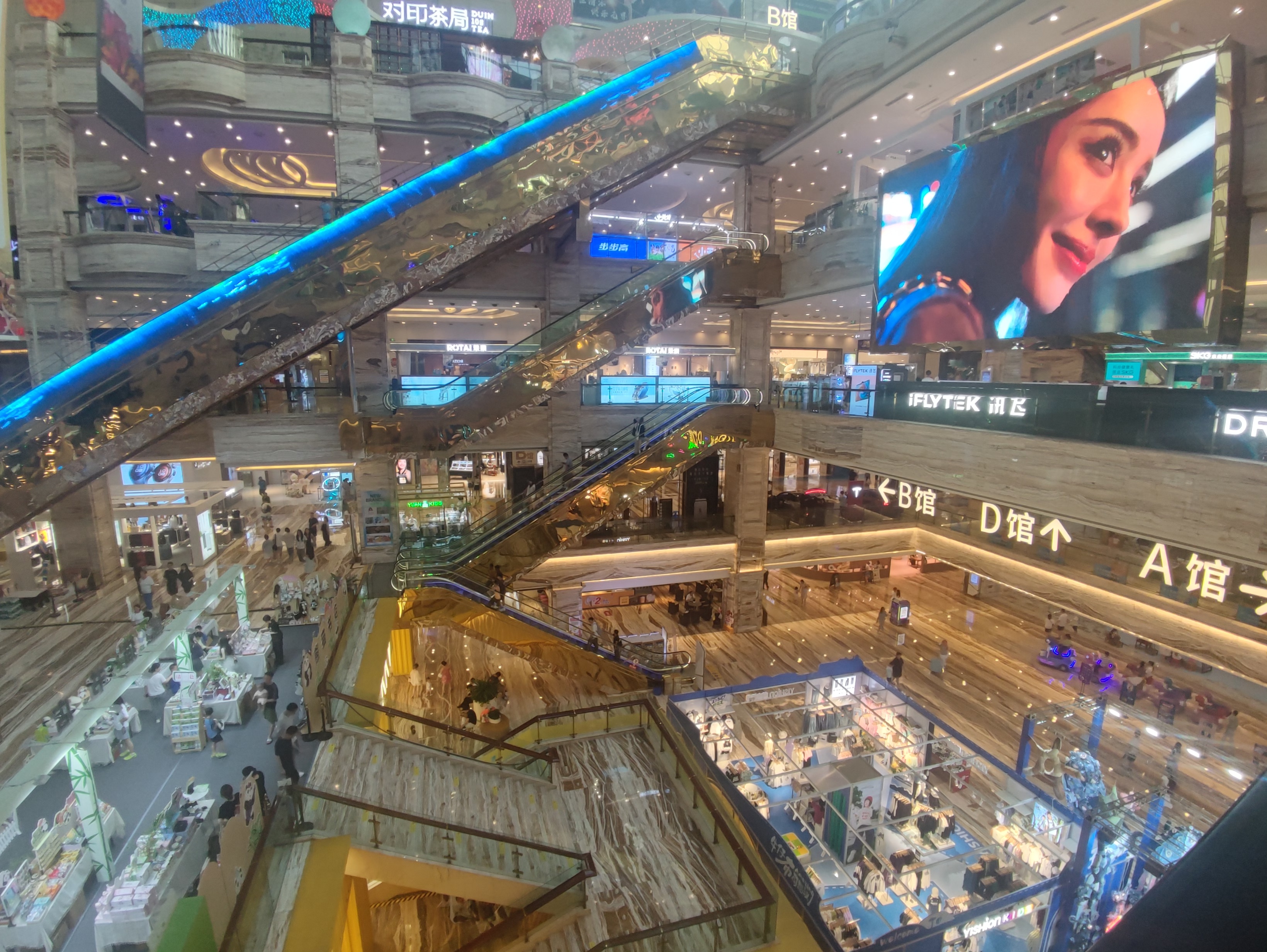
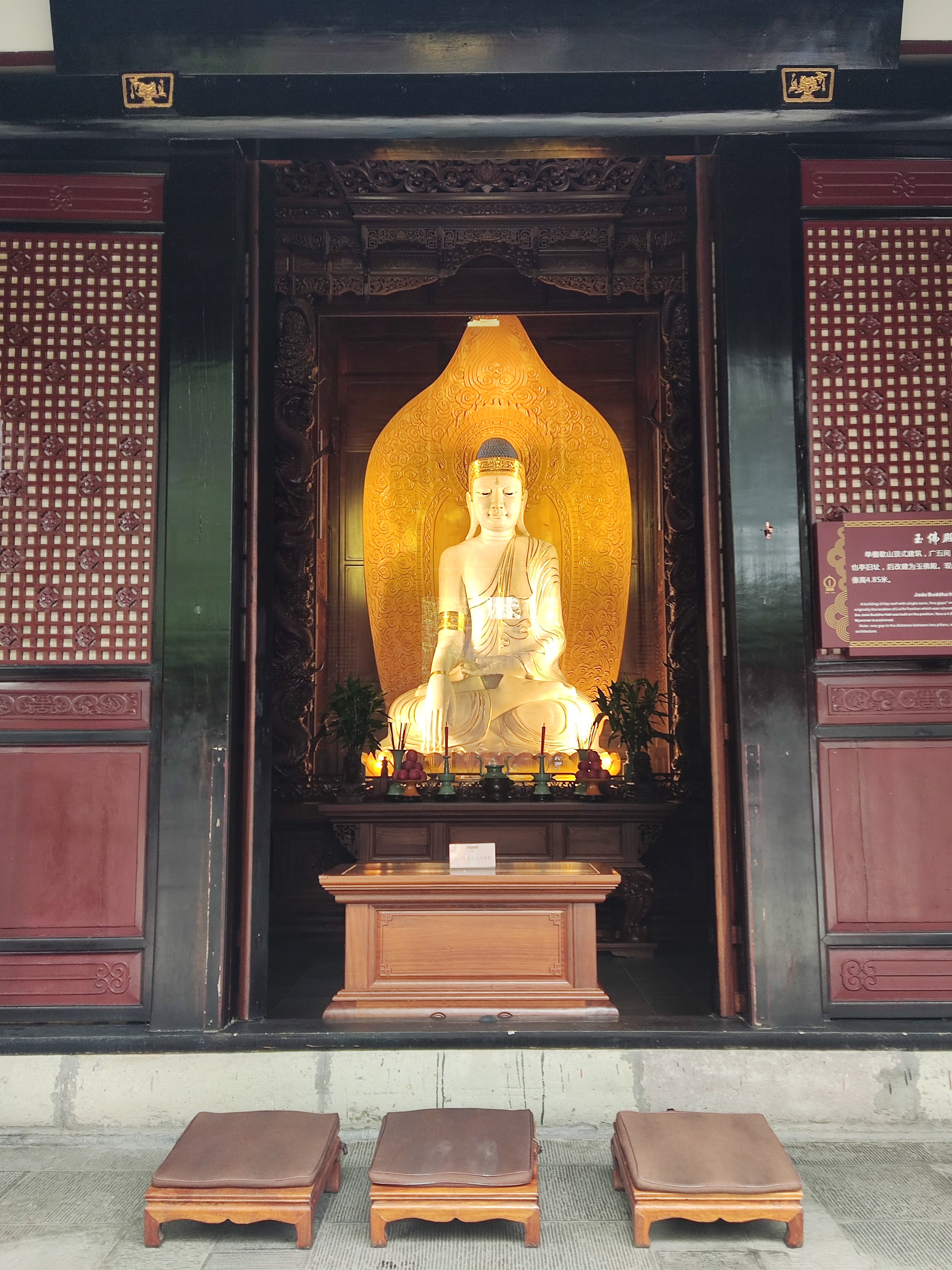
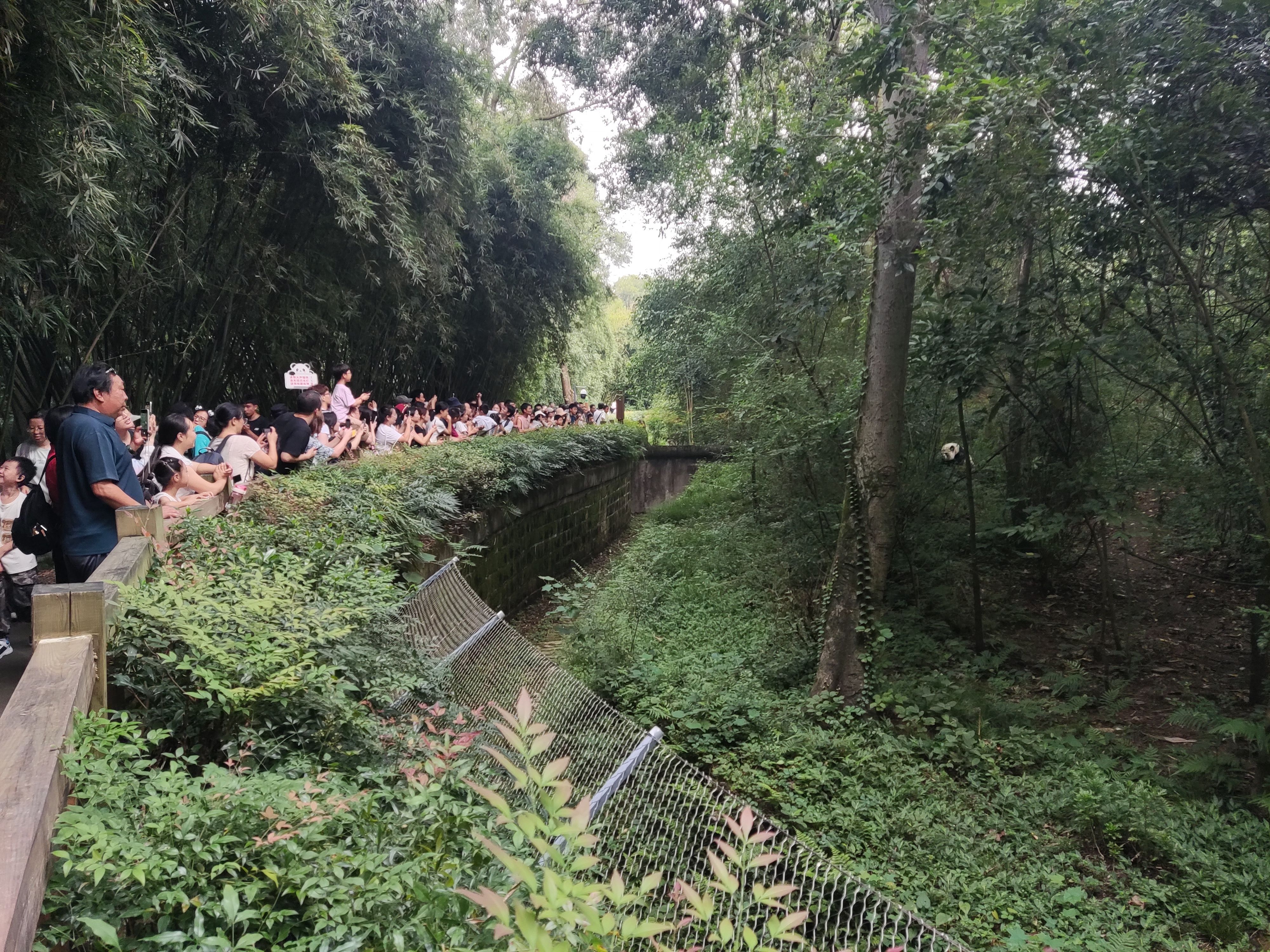
Other highlights included Panda World (Research Base of Giant Panda Breeding), Dujiangyan Ancient Irrigation System (amazing old-school engineering), New Century Global Centre (largest building in the world by floor area – 1.7 million square meters), Wenshu Monastery (another Buddhist temple), and Kuanzhai Alley. I won’t talk about the food as I think I did this completely wrong but that is a story for another day.

All in all, a fantastic adventure to China, a privileged departure from my day to day. I felt safe the entire time and found the Chinese people to be exceptionally friendly and helpful (with the assistance of a translator app). But in the end, I was super happy to simply arrive home. These experiences are secondary to what is truly important in life – your health, that of your family and friends, and that of the environment. New Zealand is truly beautiful and every time I travel it is simply to remind me of this fact.
WOC 2023

”It’s all about the adventure in the end, the way it shapes your lifestyle and the memorable moments along the way. While achieving sporting success can be exhilarating, the true value lies in how it enriches your everyday life and gives you something to look forward to, preventing it from becoming monotonous.” – Nathan Fa’avae, 2023

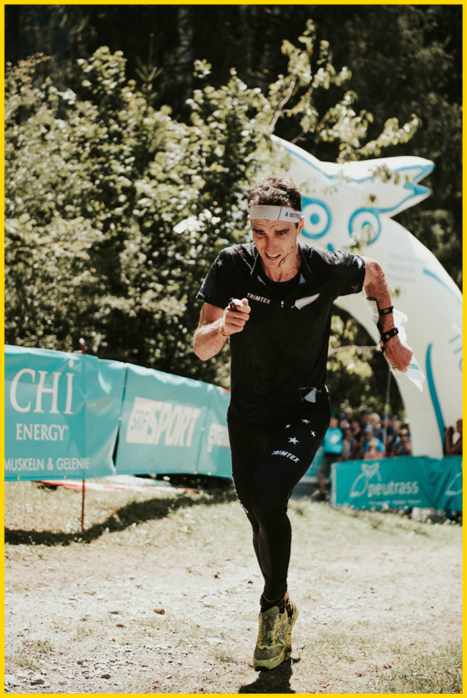
WOC 2023 Middle Final📷josefine.klintberg

My fourth World Orienteering Championships project, WOC 2023 Flims-Laax Switzerland, has now concluded. My previous WOCs were in 2014, 2015 and 2018. Was this the last?

I wanted the WOC 2023 journey to be enduring, memorable and ultimately fun. To achieve this, I asked The King of Adventure, Nathan Fa’avae, to offer his mentorship. He kindly accepted and offered advice necessary to solve the WOC performance-puzzle. It is because of Nathan I can walk away from WOC 2023 satisfied.

Ok, I had higher hopes for the Middle Final and I had the level to be in the top 20. It was extremely demanding terrain, both technically and physically, I hadn’t trained enough in hot conditions, and I wasn’t quite expecting the terrain to be as tough as it was. I would not have changed the preparations in any way – they were optimised through the course of meticulous planning, so I accept my performances for what they were.

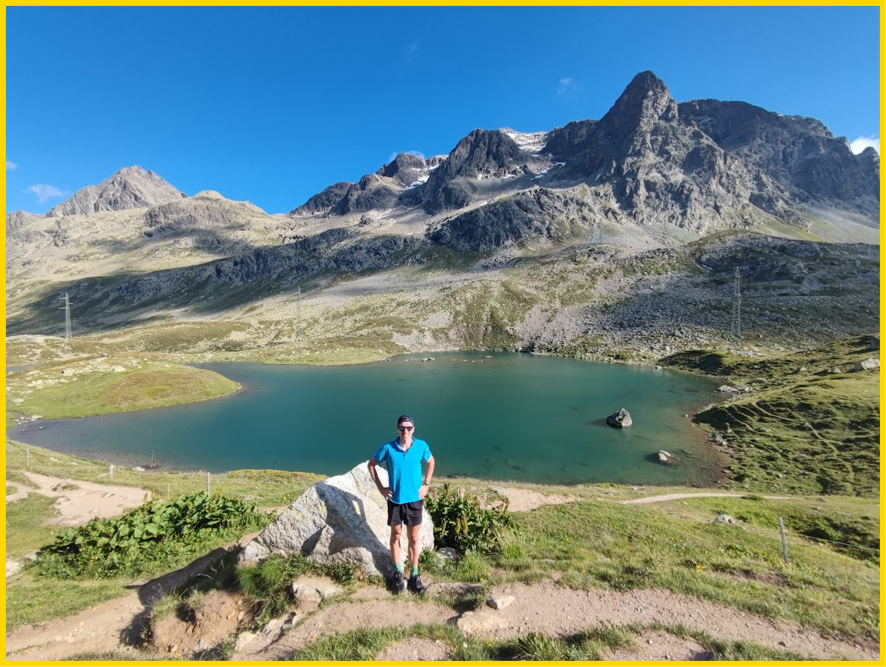
I said to myself on many occasions that the race itself did not really matter, that should it go not as I hoped, I would not dwell on it. WOC 2023 and the journey towards it was an enriching experience. I had the privilege of sharing it with many and had plenty of opportunities to Move Through Nature (MTN), both in NZ and Europe. MTN (also the company established for the project) is a concept that has really resonated with me the last year and will be how I remember WOC 2023.

WOC Middle, three times I have run it, never quite mastering the challenge. 2023 was an improvement on 2018, but not as good as 2015!

The Team

In recent times I have realised how simple the ingredients are to happiness – to have a purpose (even something as arbitrary as a race such as WOC), to be in good health (hence why I completely stopped all drinking last year), and to share experiences with people (to be part of a team). The WOC 2023 project generated countless happy memories in large part because of the people. I have named a few below but there are so many more who have been with me and contributed to where I am today. I can quite easily say that WOC 2023 was the best WOC I have been to.

  • Nathan Fa’avae – such an inspirational person and I have learnt so much from his guidance the last 6 months. We are lucky to have him in Nelson/Tasman and it is so cool to now see his son, Zefa, performing at a very high level in the junior ranks.
  • NZ WOC team – we had a great team this year, a very fun mix of personalities and experience. Specifically, I want to thank the NZ officials – Florian Schneider [Flo] (with team mascot, Neve) and Malcolm. Flo came to us last year, challenging the NZ HP group to a higher level of professionalism. He is an incredible coach (as he is an athlete) and went over and above to make sure we had everything we needed. If NZ is to reach even greater heights in the World of O, then people like Flo will be absolutely critical.
  • Toby – we worked closely in the weeks before WOC to ensure we were both in the best shape possible. It was awesome fun to get some positive feedback a week out with a 1st and 2nd in the Italy 5 Days. To see him crush the Long distance at WOC was awesome. 
  • O Clubs – NOC, NWOC and OK Linné, just amazing clubs to belong to, so many incredible and inspiring people. It was special to have many of them at the races.
  • Sponsors – La Sportiva NZ and Str8, premium products that made all the difference.
  • and of course, my family, especially mum, dad and Helayna!
Some of the key people involved, but by no means all. Thank you to everyone who supported, offering pearls of wisdom and encouragement.

The Preparations

For WOC 2023 I was as prepared as I could have hoped for. June went very well – I quickly recovered from travelling and the resulting jetlag, largely thanks to Kate and Razz offering a room in their lovely apartment. I then enjoyed “pro” life for the weeks prior to WOC with some great training camps in Switzerland and Italy. I took all the learnings from previous WOC campaigns and made sure no mistakes were repeated. Even before the European part began, I felt prepared, having spent countless hours studying old maps and drawing theoretical legs and courses. 

Upon reflection, I learnt that even with near perfect preparations there is another level to WOC racing compared to less significant races. The emotions and expectations, the hype, the fact that it is the World Champs requires a certain composure one can only obtain through repeated racing at the very highest level (World Champs, World Cups etc.). As I learnt 2018, you cannot have great preparations and then expect even an “average” performance, simply because of the emotional demands – this always reduces your level. The best are the best, because they have learnt to manage this successfully through repeated experience.

The preparations were on point this year, just like the Swiss mountains.

WOC Middle

The Middle distance has always been my favourite O discipline. Perhaps due to the greater success I have had at this modality, especially as a junior. The combination of high technical demands and speed through terrain, I think is extremely fun and rewarding when you get it right. The goal race at WOC 2023 for me was therefore the Middle.

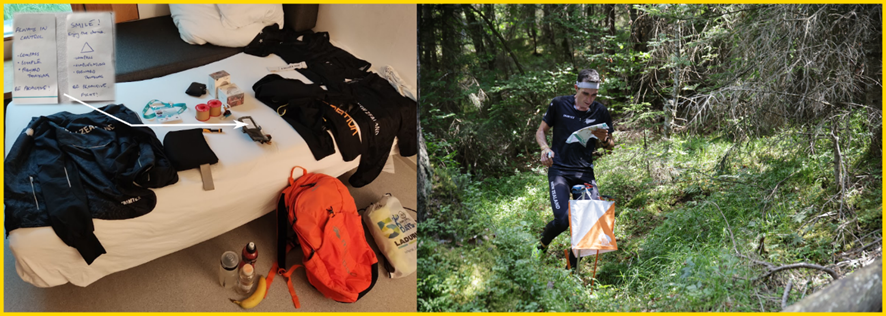
Pre-race gear and mid-race, control 13, in the Middle Final.

The Middle at WOC comes in two parts – first you must qualify for the final and then you must perform in the final. 

The Middle Qualification went good enough, but a little closer to missing out than I expected finishing 13th in my heat. After a few mistakes, I began to truly appreciate the challenge of orienteering at speed in this Flims terrain. But of course, the first goal of any qualification is to qualify, which I did and so was very relieved. It was nice to see Tim and Lizzie qualify, and for Jo, Kaia and Amelia to be so close! Jo’s performance I particularly admired as he was up the night before vomiting, suffering the consequences of what we suspect was heat stroke.

The Middle Final was very hard, the most brutal middle distance I have ever run. I knew it was going to be technical, but I was shocked by how rough the terrain was. There were numerous thinning’s and fallen trees which made just running through the terrain very challenging. I felt good before the start and proceeded with my strategy to attack aggressively out of the blocks, like I would any championship race. I had control and was going well, but I was too much on the edge. I kept falling over and not investing the appropriate time towards reading the map. The heat didn’t help. I don’t know what happened as I got to the control circle; it was my plan to see the big depression with the 2 u-depressions in it. But for some reason the correction left never took place, and I had to relocate out on the track losing 2 minutes.

First control, WOC 2023 Middle Final – orienteering on the edge didn’t pay dividends.

One part of the mistake I now attribute to the mental delay for interpreting complex maps. The topography in Flims is insanely random, a cluster fuck of contours and rocks, the hummocks of an ancient landslide. The mapping of this is special as significant generalisation needs to take place. I compare it to Rowdy Flat in Victoria, Australia. The implication for an orienteer, is that relating the map to terrain takes longer as what you see in the terrain is not necessarily what you expect to see from the map. The map-to-terrain “fuzziness” is increased. I had clearly not mastered the technical challenges at race speed – a more conservative start would have been prudent, but that’s not how I like to orienteer.

After the mistake, I was “a bit sad” especially as Lauri Sild came through me. I made a stupid route choice to the 4th, then it was kind of ok after that, but the middle-distance flame had been extinguished. The ending was sadistic and played into the hands of the true beasts of the day. 

There were plenty of emotions at the arena, clubmates Jannis Bonek taking a historic bronze for Austria, Albin just missing out on a medal. The theatre of sport is awesome.

A detailed analysis of the best in the Middle Final is available at World of O. The graphic below clearly shows my mistakes with the first two humps (controls 1 and 18) and then performing consistently at a lower level for the remainder of the course. If I hadn’t missed the first control, I would like to think the story could have been much different.

Some mistakes, but the speed/level was simply not as high as it should have been.

WOC Relay

The relay was a nice way to end WOC 2023. With the team selected; Toby 1st, Me 2nd and Tim 3rd we had a very strong team. In the end we finished 15th and were the first commonwealth team. I had a solid race apart from the 14th control where I didn’t have any map to read as I had damaged it earlier in the race. I improvised to find the control but unfortunately the gamble didn’t pay off and I lost 2 minutes. Without this, a slightly better starting position (Toby started right at the back as we missed WOC 2021 due to COVID), and removing a couple of Tim’s minor mistakes a top 1O was possible!

And now…

I have a few more races (Oringen, World Cup 2 – opportunity for redemption) and then Kate and Razz’s wedding before heading home. I am looking forward to planning the next adventure and getting back into the NZ MTNs! 

I hope you enjoyed following the World Champs and reading this report.

The next adventure awaits…

NZOC2022 – The Battle of Canaan Downs

Chris Forne and Georgia Whitla

50 years of New Zealand Orienteering Championships, we are now at the eve of NZOC2022. The calm before the storm.

It seems that making it to the start line for this year’s nationals is itself a challenge with many succumbing to COVID or the isolation requirements in the final week. The event though has seen some favourable movements, in phase almost perfectly with our national trajectory out of COVID. Event restrictions have been entirely removed and the weather is looking on point (might I say, as expected). Another omen, New Zealand moved to the “Orange” setting yesterday.

This post will be brief, as deployment and delivery are first and foremost for the Event Team. I wanted to conclude this NZOC2022 story by talking to elite sports, of course specifically orienteering. The pursuit of sporting goals has shaped a large part of my life and identity. The feelings, both highs and lows, are some of the most meaningful and rewarding I have encountered. It has formed a large portion of my value base, given the attitude an athlete must have to push their body and mind to seek improvement, to ultimately, an arbitrary end. But it is the pursuit of such ends, to derive meaning from a process of continuously improving, which I think is so fun.

NZOC2022 is the trials for the Senior and Junior national teams to compete later this year in Europe. It is a goal for many. Representing your country at the world stage is an honour and has a rich tradition in the orienteering circles, comparable to the history of nationals itself. To make the national team you must race well at trials, which brings us back to this weekend and some of my guesses as to who shall come out on top. Note, these are not likely to feature at the TAB any time soon, as orienteering has not quite reached the size required or level of corruption that many other sports have. 

For the Women, Lizzie Ingham is still the dominant force in New Zealand orienteering. However, I think it might just be time that Amelia Horne formally announces her arrival to elite orienteering. Georgia Whitla is poised to upset, as is Amber Morrison. But there are many others who’s form I have not researched but could equally deliver winning performances; Imogene Scott, Marina Comeskey, Kirsty Coombs, Jenna Tidswell to name but a few.

For the men, I can’t help but entertain the idea that Chris Forne, The Adventure GOAT, will emerge victorious in at least one of the days but there are many who will challenge. First and foremost, Duncan Morrison, my fellow Oman, who’s eagerness for competition is as palpable as Nick Hann’s disappointment in not starting, relinquishing his own comeback to COVID. Gene Beveridge, Joseph Lynch and Tommy Hayes will all be in the mix. No doubt Brent Edwards shall be exuberating confidence beyond his levels of fitness, but that will just add to the theatre of racing.

And so it begins, it all starts with a triangle, the first competitors head out just before 2 pm tomorrow.

NZOC2022, it is now time to find your adventure.

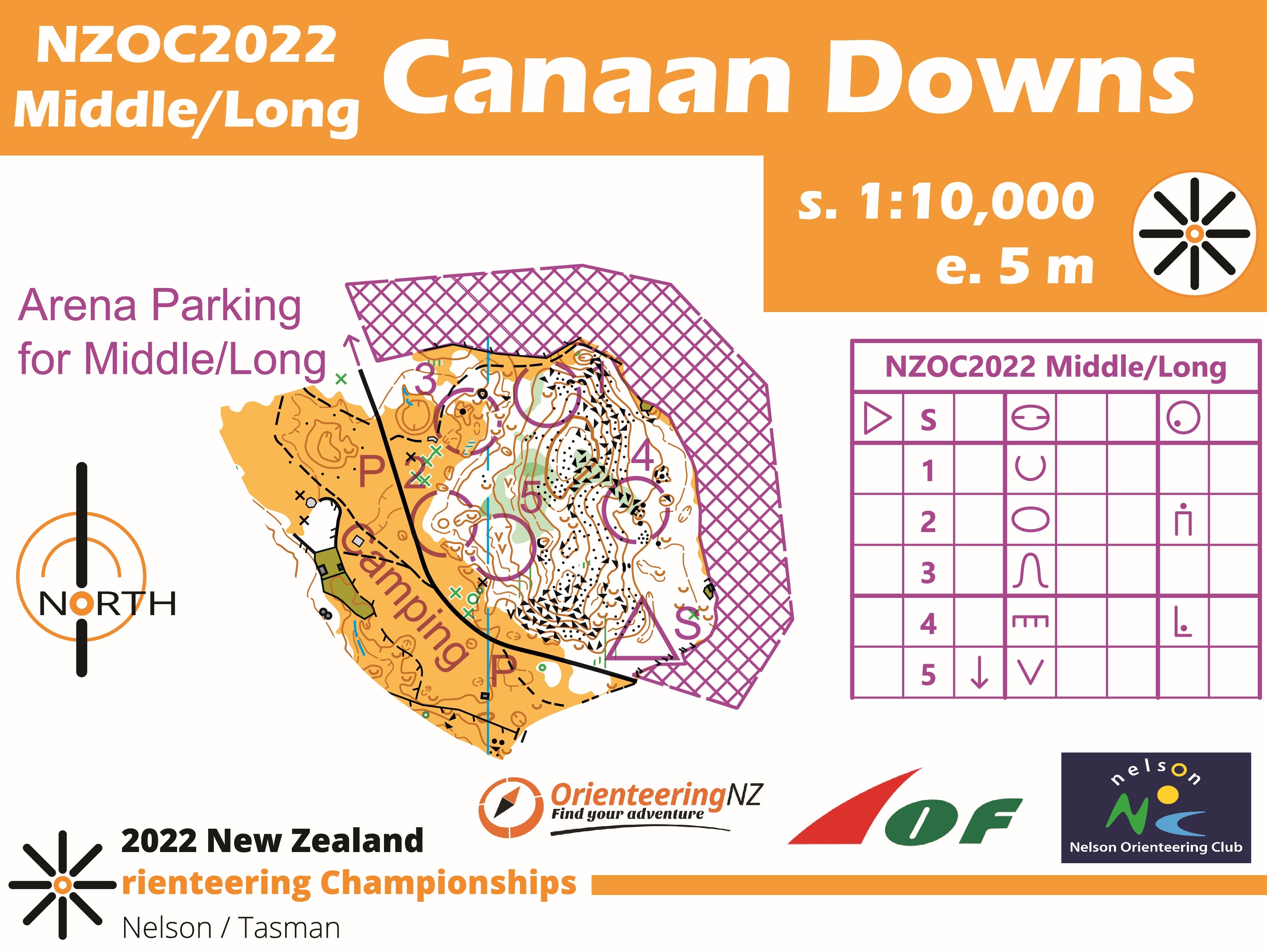
The Battle of Canaan Downs is upon us (Model Map).

NZOC2022 – The Technical Breakdown

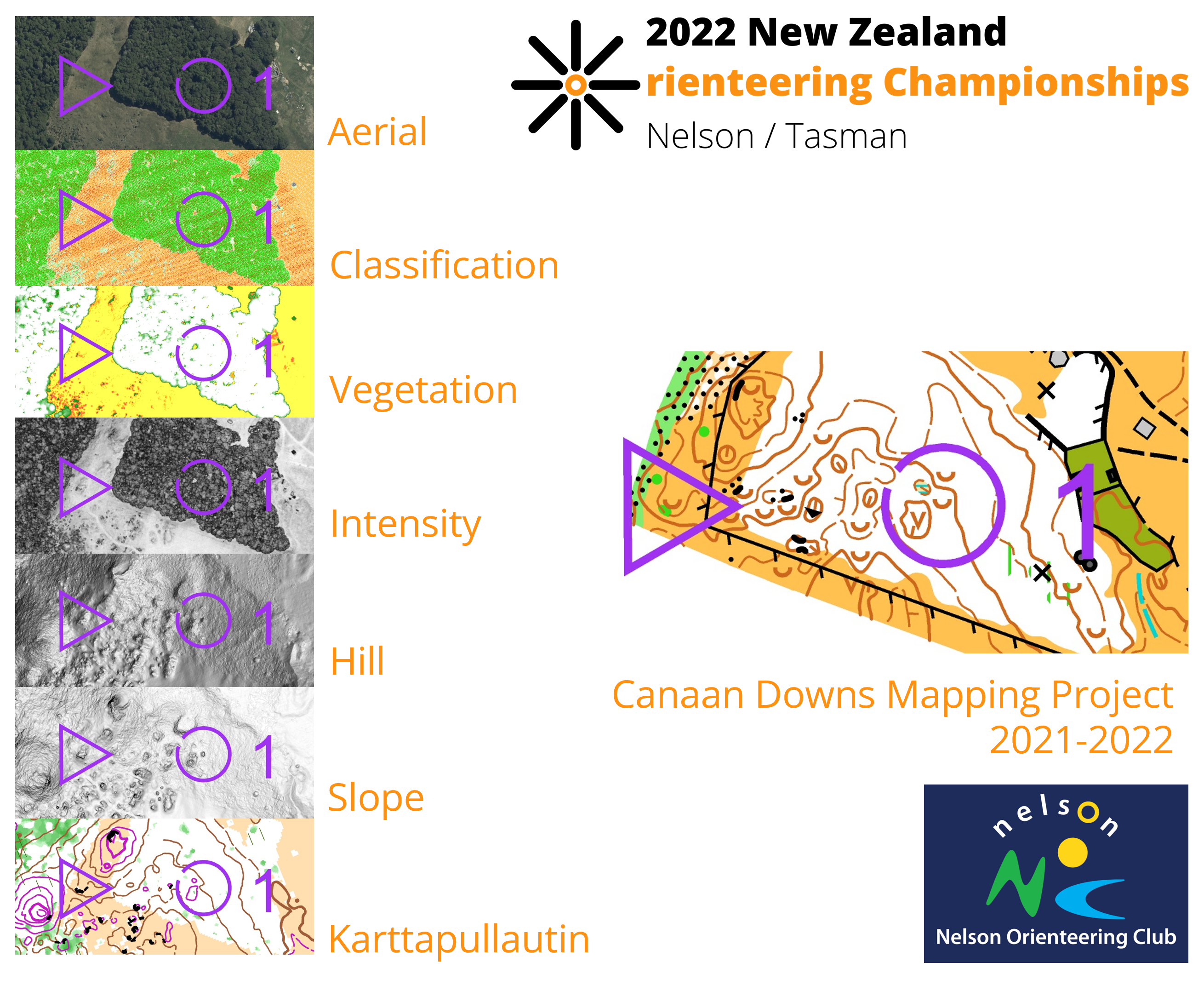
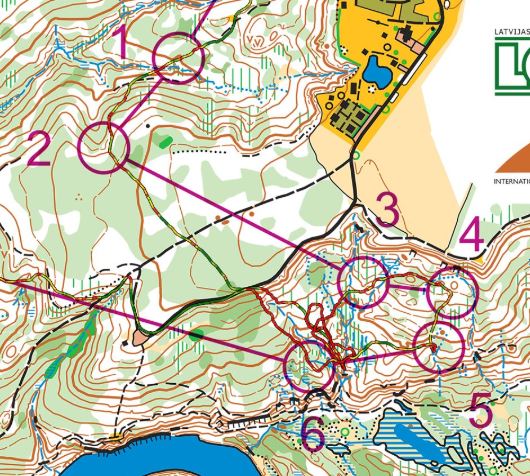
LiDAR post-processed layers used in the Canaan Downs Mapping Project.
50 years of New Zealand Orienteering Championships, we are now just one week out from NZOC2022.

Orienteering is a technical sport. The maps we use are the most detailed topographical maps produced. The navigational skills required to move through the terrain at speed whilst rapidly interpreting a pseudo-subjective 2D canvas loosely representing the complex 3D environment, under oxygen debt, take years to refine and master. Many don’t, and even if you do, it is for only a fleeting moment. Herein lies the challenge and beauty of this sport.
This post talks to the technical aspects of NZOC2022, from mapping to event organisation, concluding with some technical skills I think will be relevant to emerge satisfied from the competitions next weekend.

Maps are the foundations of our sport. They are also the biggest assets to clubs, a substantial map being an appreciable investment usually funded through large events or community grants. Without maps, there is no orienteering.

An orienteering map is a data-derived work of art constrained by a strict internationally accepted symbol set. Whenever I compete, turning the map over and seeing a high-quality cartographic product is always incredibly satisfying – this to me is a win, even before I have started. There are many maps that I have fond memories of, but for sure, the one that is still at the top of my list is Lunsen, Uppsala. 

Lunsen, Uppsala. Still my favourite map in the world (see a full version here).

We are spoilt in New Zealand with the variety of terrain that we have access to and therefore the diversity of maps we can compete on. NZOC2022 brings to the New Zealand orienteering community the product of the Canaan Downs Mapping Project, which for the quality of mapping and the incredible micro-variety in the terrain I believe deserves a place on the 101 Orienteering Maps you should run on before you die! You only need to look at the map from the first New Zealand Orienteering Championships to see how far we have come.

1972 New Zealand Orienteering Championships (Photo – Robyn Davis)

The base data for Canaan Downs is LiDAR captured primarily in 2020. Luckily for NZOC2022 it was made available in September 2021, just in time for the detailed mapping process to begin over the summer. The statistics of the project by Bryan were outlined in the previous scene setting post. But from the image at the top of this post you can see the clarity in terrain forms captured by the LiDAR survey and how the various post-processed layers are used to construct the orienteering map. 

Canaan Downs, in my opinion, offers the authentic New Zealand orienteering experience and will be used for the Middle and Long at NZOC2022. The Sprint and Relay maps have also been made using similar LiDAR data, so you can be sure of the mapping quality next weekend.

Organising an orienteering event, especially one that has the logistical and technical complexity of a nationals, is by no means an easy feat. We recognised this early in the piece and swiftly positioned personnel to core roles, while keeping the top level small and focused. This meant decisions could be made swiftly and the complexity managed appropriately. In recent weeks the Fa’avae event delivery team has been mobilised and we have widened the volunteer base to ensure the event itself does justice to the beautiful terrain, maps and courses.

The Technical Director behind NZOC2022, Michael Croxford, with the Long planning team, Georgia and Brent.

To give you an appreciation for the technical scope across the four days, below are some numbers:

  • 4 arenas designed
  • 270 control sites checked, double checked and marked in the field
  • 40 individual courses planned (63 layout designs applied to cater for the different map scales) and 5 relay courses planned
  • 51-55 individual competitor classes to assign to each course, ensuring courses have appropriate physical and technical difficulty
  • 483 unique competitors yielding 1950 individual maps printed on waterproof Teslin paper
  • 52 pages, the length of Bulletin 2 (soon to be released)

And this is before we have spoken about the technology required to actually manage an orienteering event on the day. All the various software platforms through to hardware, now bare-minimums for national level events.

Talking to Nathan recently, I raised the technical risk that an orienteering event team assumes. If you were to approach an orienteering event from a purely business perspective, you would walk away before you even started. I am not sure there are many other sporting codes in which the organisers carry such a level of technical risk; usually the organisers would provide the venue but then the technical side is largely managed by the competitors. But I believe, it is for this reason we have such capable people in the orienteering community. For a concluding remark on organising orienteering events; it is saturated with skill and passion, but the financial side for the level of complexity (e.g. compared to trail running) simply doesn’t stack up.

But at the end of the day the purpose of NZOC2022 is to bring together the community for the pinnacle domestic event. The variety across the weekend will demand a technique which is adaptable, especially amongst the ancient beech trees and rock formations of Canaan Downs. After 20 years of orienteering, constantly refining and evolving my own technique, learning all the way, I came to the “Master the Compass, Master the Map” approach which I try employ to this day. It is difficult to truly train orienteering in New Zealand, for here it is one of the sports where you spend most of your time competing opposed to actually practising. But this just makes for exciting racing, especially under the pressure of a national championships, and the mistakes that people therefore make. So, my parting advice for managing the technical demands of next weekend is to keep it simple. As Timmy always says, “it all starts with a triangle”.

NZOC2022, it is nearly time to find your adventure.

Tim Robertson
 

“It all starts with a △.”

NZOC2022 – A Half-century in the Making

50 years of New Zealand Orienteering Championships, NZOC2022! 

The last post set the scene for NZOC2022, this post will take readers through a brief history, specifically the road which has brought New Zealand orienteers to this year’s celebration of 50 years of national championships.

1972, the year NASA officially launched its Space Shuttle Program, was also the year of the inaugural New Zealand Orienteering Championships. Peter Snell presented the trophies for the Auckland event which would launch the annual competition for the next 50 years. It is a privilege to be part of such a rich history that began some 20 years before I did. Fast-forward to 2006, and New Zealand orienteers found themselves for the first time competing towards national titles in the Top of the South region.

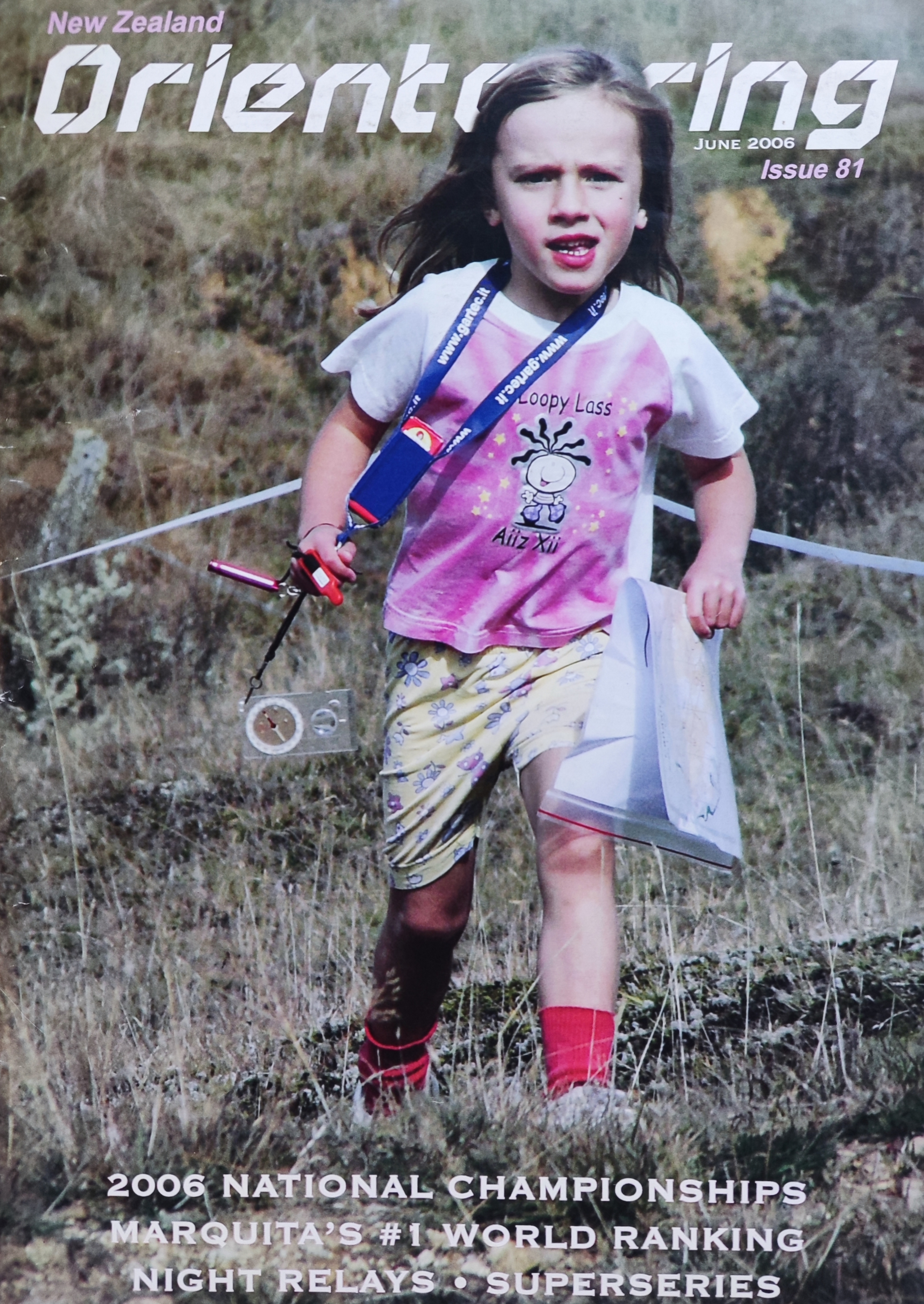
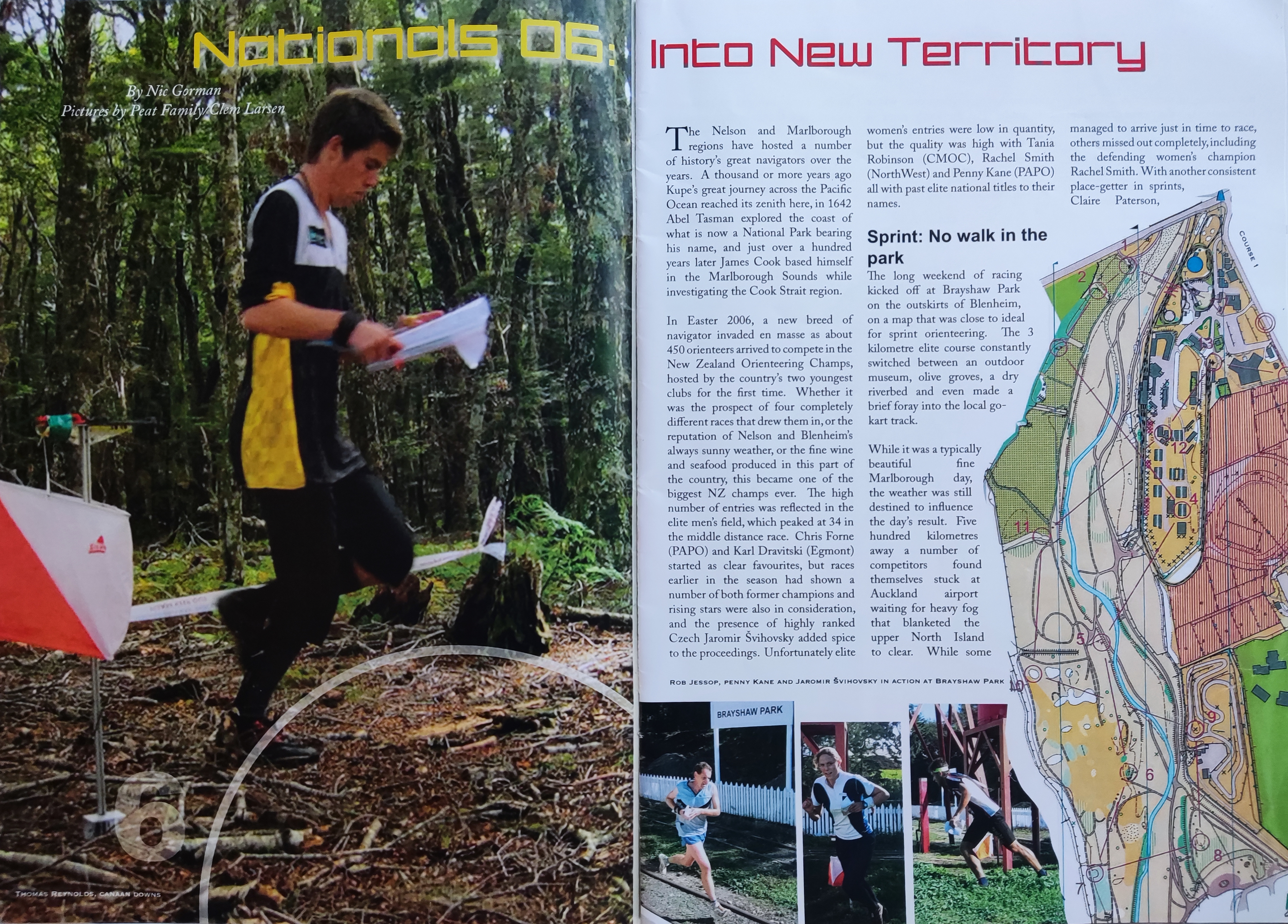
A thousand or more years ago Kupe’s great journey across the Pacific Ocean reached its zenith in 1642 when Abel Tasman explored the coast of what is now the National Park bearing his name. These words were part of Nic Gorman’s eloquent report on the happenings of the 2006 championships in the now lost New Zealand Orienteering Magazine. You can read the full article from the 81st Issue below and try guess who features on the front cover, they will be competing at NZOC2022. In 2006, Canaan Downs was used for the first time for orienteering during a long weekend of racing that featured household names at the top of the leader board in both elite classes. Chris Forne completed a perfect weekend of racing, taking 3 titles. He is now 16 years the wiser with multiple World Adventure Racing titles to his name and will be on the start line at NZOC2022. The big question for many is will his experience pay dividends this year against youthful energy and resurgent forces to consolidate his position as the most decorated New Zealand men’s elite orienteer? Tania Robinson, Penny Kane and Rachel Smith were the stars of the women’s field in 2006 and produced exciting racing that I am sure will feature again at Easter. I aim to share a post in the week before NZOC2022 to cover my predictions, albeit unlikely to feature at the TAB any time soon.

The second time that orienteers from around the country navigated for national titles in the Nelson-Tasman region was in 2016 which I wrote about in the previous scene setting post. I suspect the character of NZOC2022 will be comparable to the 2016 edition, bringing together iconic landscapes and fierce competition in the theatre of racing.

Which brings us back to today, 25 days out from the first race of NZOC2022. The planning teams have been hard at work, checking control sites and testing courses, and the weekend just been Gillian Ingham conducted her IOF controllers check for the Sprint, Middle and Long, all World Ranking Events. The terrain is pure, the courses absolute. The excitement is palpable as numbers head north of 300 just 3 days out from the entries closing. I recently took part in a radio interview on Fresh FM talking about NZOC2022 and orienteering more generally in the Nelson-Tasman region. You can listen to this here, should you need some soothing monotonous tones to put you to sleep – a crucial ingredient in anyone’s build-up to a successful national’s campaign.

What have Neil and Michael conjured for the NZOC2022 Middle?
Georgia immersed amongst the ancient beech forests of Canaan Downs

I have now test run courses for all four days of racing. Each competition will offer a set of unique challenges which will need a composed and skilful mind to navigate through successfully. In the next post I will write about the technical skills required to achieve clean races; most importantly how to manage the ancient beech forests of Canaan Downs. This terrain is truly special, the pinnacle of native New Zealand orienteering. But as with any contest, you must first be in it to win it. So on the eve of entries closing, there is only one thing left to do.

NZOC2022, enter now.

NZOC2022, Enter Now

NZOC2022 – Setting the Scene

Now we go, the 50th New Zealand Orienteering Championships 2022 (NZOC2022)! 

A major focus for me at present is the delivery of the 50th New Zealand Orienteering Championships which is being hosted in my home region of Nelson/Tasman. The reinvigoration of this blog, I thought would be a great vehicle to share the project, from both a technical and non-technical standpoint. This initial post sets the scene for NZOC2022, introduces readers to the remarkable team that has been assembled and provides sneak previews to the maps and terrain that competitors will face come Easter.

Setting the Scene

COVID has fundamentally changed the events landscape in recent years, and orienteering has not been immune. Fortunately, the O-community has had two very successful national championships the last two years despite the pandemic. This is the result of the tireless efforts of Orienteering Wellington (2020) and North West Orienteering Club (2021). Again, this year we as organisers have had to strongly consider the risks presented by COVID, most pressing the timing of the “peak” of the Omicron outbreak. We have reserved Labour Weekend should the landscape dramatically change for the worse, but with easing restrictions and controls we as organisers can put in place, we are confident that Easter is the best time to host NZOC2022, a decision now supported firmly by ONZ.

The New Zealand orienteering championships has a rich history, and like the sport itself, has been driven by enthusiastic and passionate individuals and clubs. The first championships were held in 1972 hosted by then Auckland OA and since then every year has seen, in some form or another, a national championships. This year will be the 50th.

For those who might have forgotten, Stuart Payne collaborated with numerous stalwarts of New Zealand orienteering, to produce “A history of orienteering in New Zealand” which celebrated 40 years of the federation, now ONZ. Here you can read more on the nationals baton that has been passed from club to club, paving an enduring legacy bringing orienteers to all parts of our beautiful country. 2022 will be the third time that Nelson Orienteering Club (NOC) has hosted the nationals, the first being 2006 followed more recently in 2016. I was fortunate to compete in 2016 which arguably sparked my love for the Nelson Lakes Region, a stunningly diverse subalpine environment. My maps and routes from 2016 are available here.

NZOC2016 Middle
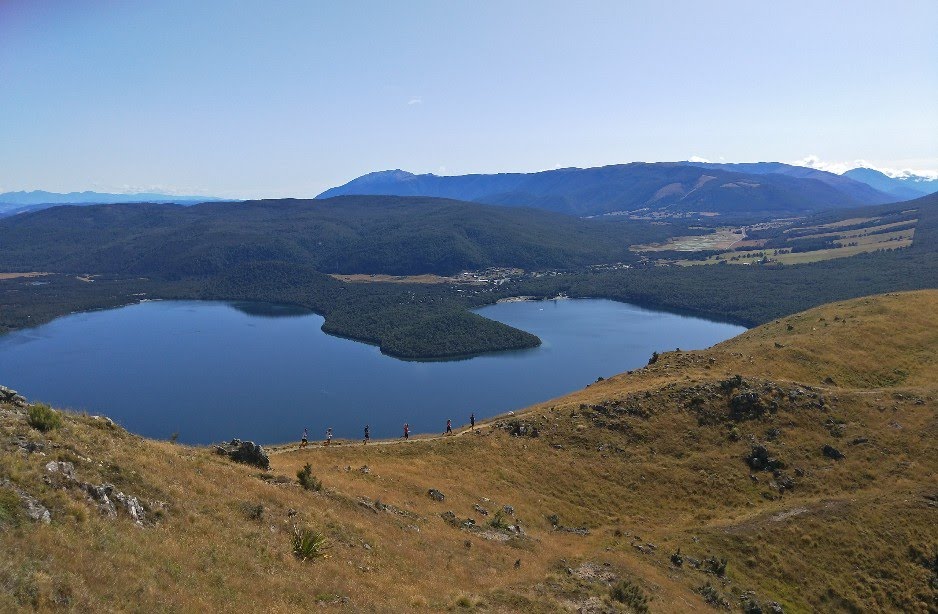
Nelson Lakes, Top of the South

I am truly excited to be part of the core organising team for NZOC2022, bringing Canaan Downs to orienteering at the mapping quality it so deserves, along with the iconic areas of Nelson College and Moturoa (Rabbit Island). The vision of NZOC2022 is to showcase the stunning paradise for outdoor recreation and pursuits, that is Top of the South, through a high quality and memorable festival of orienteering.

The Team

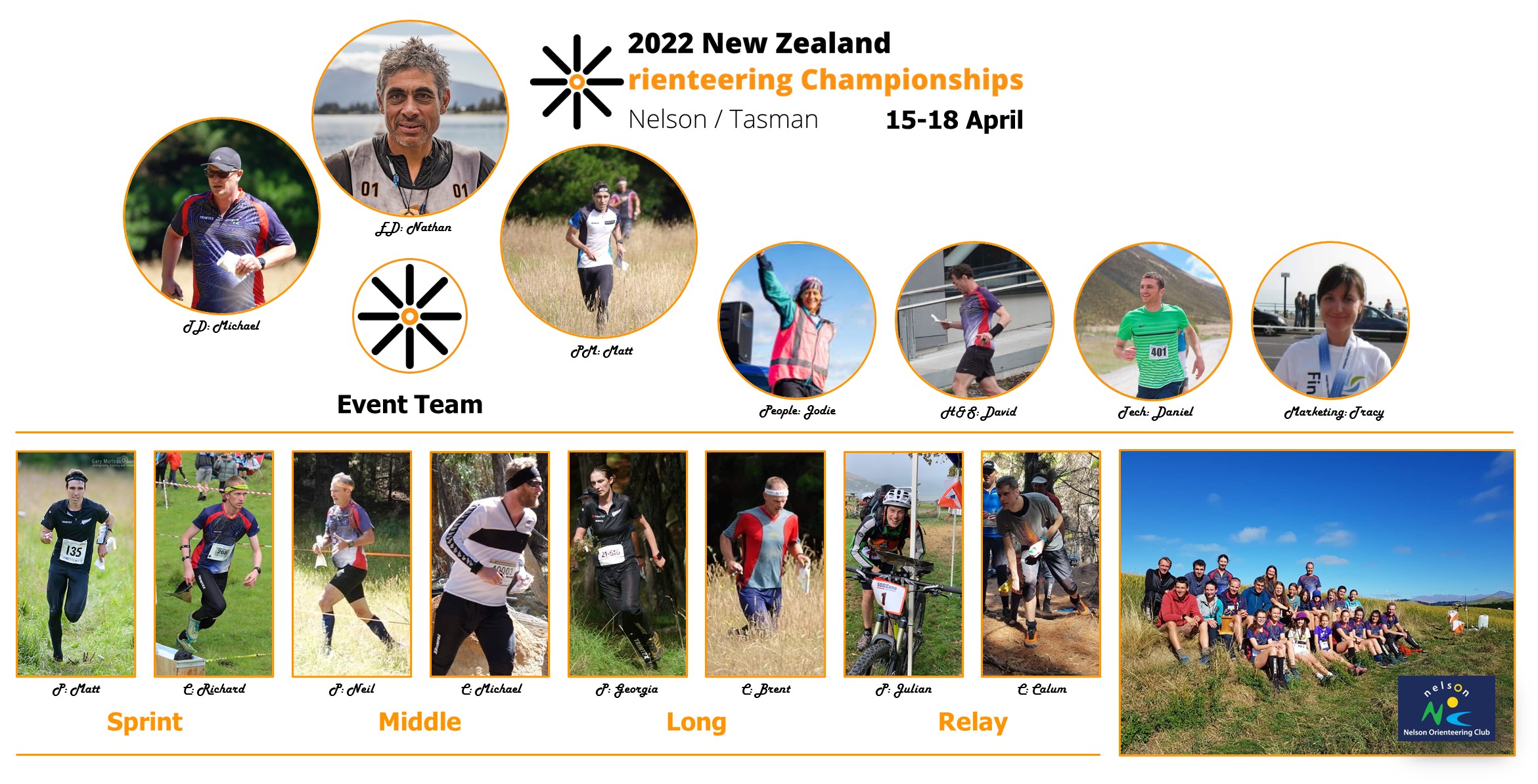
To deliver NZOC2022, we have positioned none other than the King of Adventure, Nathan Fa’avae as the Event Director. Michael Croxford, who has inspired orienteering in the region, is overseeing all technical matters, for which there is almost a mountain to overcome in organising such a high-quality national-level event. I am working closely with both Nathan Fa’avae and Michael in a role that I can only aptly describe as the event workhorse (/project manager). Alongside us is Jodie Fa’avae (People), David Mangnall (H&S), Daniel Penney (Tech) and Tracy Allan (Marketing). I am especially proud of the team of Planners and Controllers that has been assembled. They will be profiled along with some of their thoughts on how best to handle each days unique challenges in later posts. To host a national championship requires an army of volunteers, and with NOC having been the largest O-club in New Zealand in 2019, there is a large pool of talented and dedicated members to draw upon. My goal is to bring as many club members as possible along for the fun ride that will be NZOC2022.

NZOC2022 Event Team

The Terrain (and map samples)

When I moved to Nelson in 2019, I was blown away by the diversity of terrain the region has to offer. It was not long before I dubbed it as the next meca of orienteering, extending the meca of adventure sports that it is already known for. For NZOC2022, we went through 6 event configurations before finally converging on what we thought would balance unique orienteering experiences on world class terrain with the logistics to manage both COVID and event attributes to make it memorable.

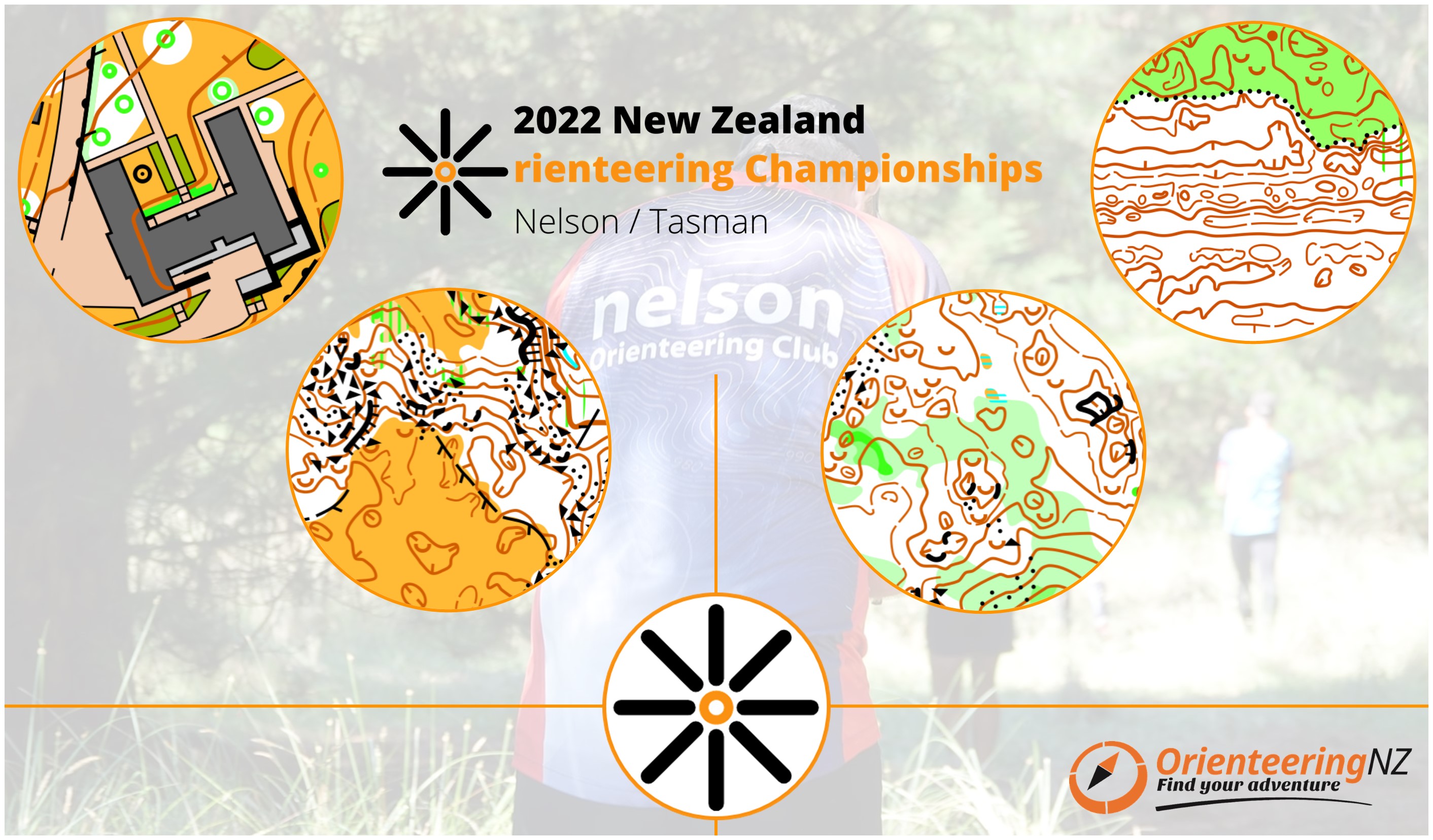
NZOC2022 Map Samples

Friday 15th will be the Sprint Distance held at Nelson College and Braemar Campus. This icon of Nelson, visible from the numerous surrounding high points, was established in 1856 and is New Zealand’s oldest state school. Somewhat fitting then to host the most recently introduced individual discipline of orienteering. The map will have three distinct terrain types which will test all aspects of one’s sprint repertoire:

  1. Nelson College: multi-level campus with staircases, ramps, paths and walkways which weave between a mixture of building size, age and type.
  2. Braemar Campus: intricate network of paths and covered walkways linking a range of buildings on a rolling campus.
  3. The Woodlands: forested slopes with hidden glades and a network of paths constructed by students.

Saturday 16th will be the Middle Distance held on Canaan Downs South and Sunday 17th will be the Long Distance held on Canaan Downs North. The vegetation cover is a mixture of open farmland, regenerating low viz scrub and native beech forest reminiscent of Waikaia at it’s best. The landforms include fields of karst sinkholes, intricate marble outcrops, granite boulder fields and vague bush clad hillsides. Bryan Teahan has done a truly remarkable with mapping, which I am confident does justice to the spectacular landscape. I will cover the mapping, with input from all mappers across NZOC2022, in a future post. But for now, some quick statistics about the Canaan Downs mapping project from Bryan himself.

  • Area: 10.3 km2
  • Time: 393 total hours – 35 hours prep, 204 hours fieldwork, 148 cartography, 6 hours finalisation
  • Longest Day: 10 hours, plus 2 hours travelling
  • Climate: 34% of all fieldwork days were very wet

Monday 18th will be the Relay held at Moturoa West (Rabbit Island). This terrain form is more familiar to New Zealand orienteers, but more diffuse contours and areas of lower visibility, are likely to test everyone under the added pressure of intense relay racing.

We are now 40 days until the first race kicks off for NZOC2022. Planning is well underway, and the excitement is building. Hopefully our Event Director emerges from GODZone well rested and filled with fresh ideas. The COVID situation is omnipresent, and I really hope, as we all, the situation does not deteriorate beyond the capacity society can adequately manage. My plan is to release several more NZOC2022 posts in the coming weeks, to raise the profile of the event as well as providing insight to the challenges and rewards that come with organising a major event such as this.

NZOC2022, now we go.

NZOC 2022, Enter Now

WOC 2018

The last weeks have marked somewhat of a come back to international orienteering in which I have competed in my third World Orienteering Championships (WOC). After running in 2014 and 2015, during which I was living in Sweden, I have had a period of absence from the world champs. There were many reasons for this but largely centred on a touch of burnout from orienteering after a prolonged 2015 season and a desire to advance other aspects of my life. In this period I have been very fortunate to join an incredible Auckland based engineering consultancy, Tonkin + Taylor, through which I have met many talented and motivated people and made some great new friends. I have been able to transition my undergraduate mechanical engineering degree into the start of a geotechnical engineering career and in March this year, I submitted my Master’s thesis in civil engineering, specialising in geotechnical earthquake engineering. So for the most part, the orienteering has been on the back burner, but I have still managed a moderate amount of training and tried my best to compete at local competitions. After the National Championships earlier this year and with the Master’s completed I made the decision to have another crack at WOC. The objectives of this WOC project focused on seeing how an NZ based campaign compared to others I have done; in terms of the experience, the feelings, and the performances.

The championships this year were held in Latvia for the first time ever, with the forest races being located in Sigulda, a small town north-east of Riga. I had never been to Latvia before, so I was also quite keen to see a new country and experience some eastern European culture again.

The Preparations

As mentioned above, work and studies have taken priority over the past while but I have still managed an ok level of training. At the National Championships, I think I found myself in good form after a pretty solid summer of training which included a really nice trip up north for New Years. However, as winter set in and a few of the projects I was working with started to consume much of my time and energy, I found that my training dipped. Despite this, I remained fairly confident that I would not lose a great deal through this period of reduced training. In hindsight, I think it did take its toll as I was training too little for too long and missed some of the key interval and longer sessions. I am not saying that I would have changed the build-up prior to leaving New Zealand, especially given my priorities and motivation, but I think this was one of the reasons I lacked any real physical edge at WOC this year.

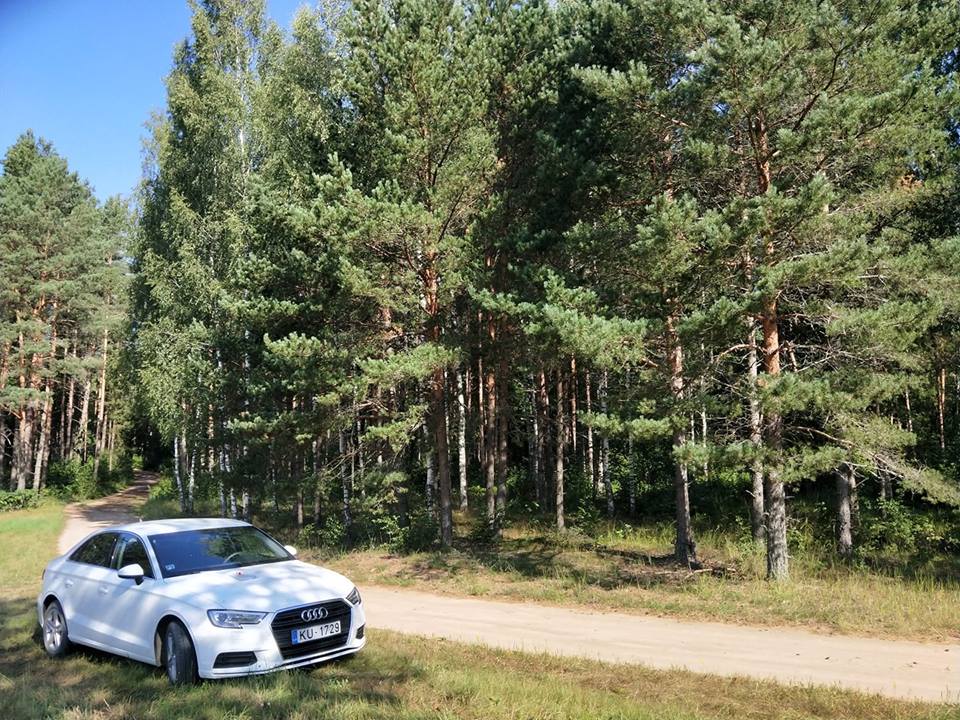
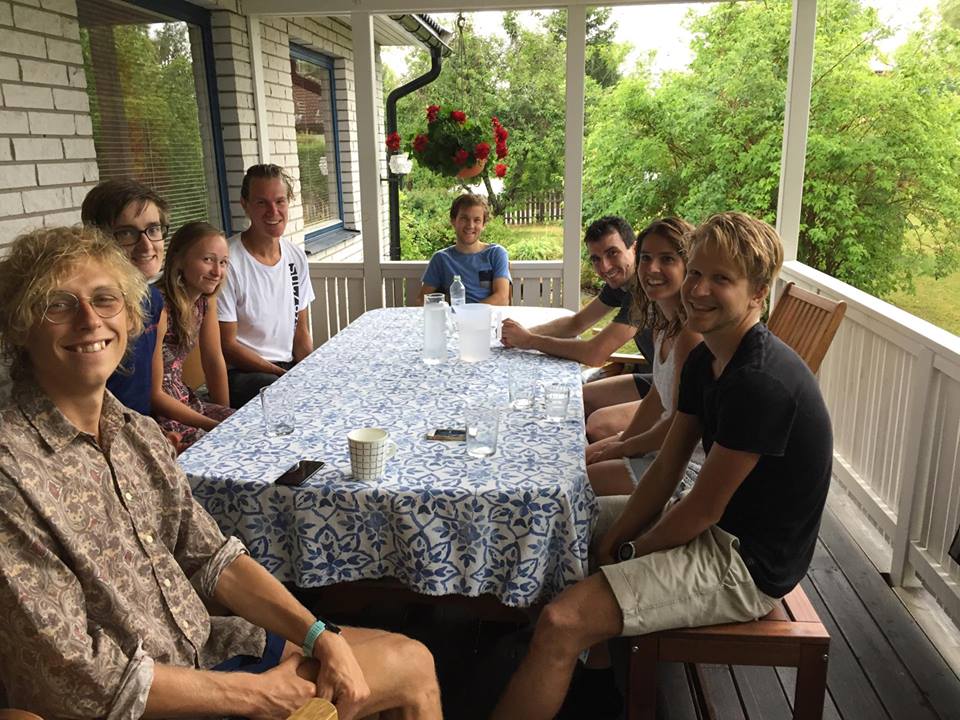
I had set my plan for the weeks before WOC quite some time ago and it included a week training camp in Latvia to acclimatise and familiarise myself with the terrain, followed by a week in Sweden with mum to find some good feelings by meeting up with friends, running in some really beautiful forests, and distracting my thoughts from WOC for a short time. This was then to be followed by a few days back in Latvia with NZ team before the races started for me on the 7th of August. These weeks went perfectly to plan (not quite the same for Gene) and I really enjoyed all the different experiences. From driving a legit Audi down the back roads of Sigulda to an exquisite dinner with the Ridefelt family after a pure orienteering session in Lunsen, I arrived back to Latvia feeling fresh and primed both mentally and physically.

Rental Car

Sick ride for the training camp in Latvia before WOC.

linne crew

Dinner with the Linne crew at the Ridefelts.

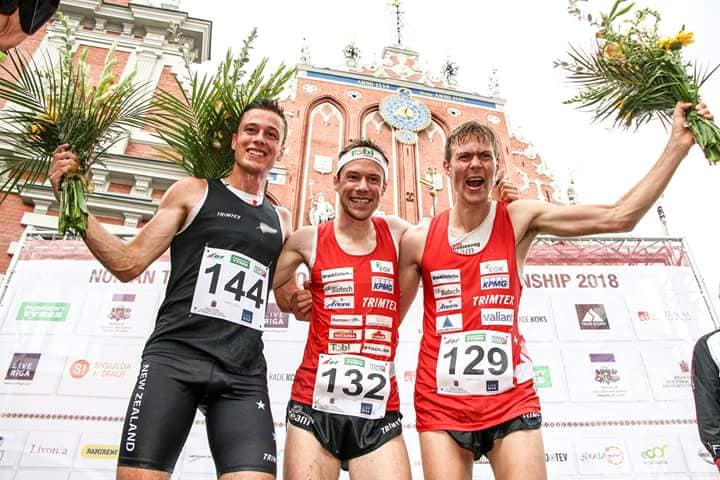
The few days before I started racing, we witnessed orienteering history with Tim Robertson taking a silver medal in the sprint, narrowly missing gold by 1.1 seconds. This result is a reflection of a talented athlete who has matured into one of the best and most consistent sprint orienteers in the world. We knew, as did Tim, that he had the capability to achieve a great result, but to handle all the pressures and conquer the demanding sprint course, is a testament to his ability to handle the big situations. For me, I found it rather emotional and perhaps raised my own expectations which contributed to what transpired in the middle distance. The days before also included the sprint relay which I spectated and the model event for the middle. I enjoyed the model and felt comfortable in the terrain, which boded well for the race itself.

Timsilver

Tim Roberston taking the first ever WOC medal for NZ (Photo – WOC2018).

WOC Middle

Map
Results

Performing at the highest level is about mastering the pressures; from within, from others, and from the event.

The middle distance race was a lesson in how things can go horribly wrong in a race and emptied my confidence after I made the biggest mistake in an important orienteering race to date. Reflecting upon the day I have identified a number of factors which led to the implosion of my target race for the year. This included:

  • Getting too worked up about the race and letting the internal pressure get to me;
  • Not racing since June and having to go through all the nuances of preparing for a big race during the day of the race;
  • Not warming up enough before starting and hence feeling a touch on the lethargic side;
  • Starting way too fast, sprinting out of the start blocks and never gaining control of my orienteering; and most critically
  • My compass breaking at some point during the course without me realising, losing the ability to maintain a good bearing.

I think the last point happened very early on as my parallel mistake to the third largely happened due to an off bearing out of the second control. I pride myself on my ability to run straight, so this must have been the reason why the shit hit the fan. After this, my race was over and I struggled on a number of the subsequent controls without my compass. A hard pill to swallow and a race to forget but at the same time a valuable lesson. I have always maintained that we learn more from our failures than we do our successes.

Mistake

The worst mistake I have ever made in a major competition.

43916002891_ab712ddde2_o

A look that says it all about the race (Photo – WOC2018).

43195744394_51e16d62d3_o

Difficult slog to the finish (Photo – WOC2018).

WOC Relay

Map
Results

With the middle race knocking my confidence I had to find the strength to put it behind me and re-focus for the relay with Tim and Gene. On paper, this is a very strong team, but the past few years have seen some disappointing relay performances. This was not the case this year, with Tim having a solid first leg undone only in part by one small mistake and a route choice error. I started in 17th position but with some teams close enough to hunt down. Leaving the start triangle we had a very easy first control, but I struggled to make sense of the buildings and lakes and the thoughts came flooding back from the middle distance. I stopped and made sure I figured out where I was and then went to the first control. After this, I found a good flow and ran a stable race which brought back some of the confidence I had lost. The speed was not great compared to the top guys, but that can be largely explained by the training over the last months. Even if I am in my best shape, the top guys are still ~3 minutes faster than me in a middle/relay length course, a margin I would like to bring down in the future. Gene then, in his first race and still recovering from his sickness had a good run to close the relay out in 17th position. A tidy result for a young men’s NZ relay team.

43907076442_1fe7723385_o

Finding my confidence again after the middle distance, this time reading the f***king map (Photo – WOC2018).

WOC Long

Map
Results

The WOC long is the toughest orienteering course of the year and this year was no exception. I wanted to avenge my middle distance performance with a good run in my second and final individual race for WOC 2018. The last two WOC long distances I have run, 2014 and 2015, were incredibly tough and a mental battle. I think I am becoming more accustomed to the challenges of the long distance and with a number of tough long trail races that I have done (Goat, ROF etc.) I felt mentally more prepared for the race this year than I have in the past. I made sure I had a good warm up and was excited to see that body felt pretty fresh. Before I started, I remember feeling very excited and truly wanting to race the long distance, a much nicer position to be in than I have previously.

With such a long race, I could write an entire essay on how the race evolved. Of course, there were mistakes, most significantly to the first control, but generally I was satisfied with the race. I became fairly tired after the spectator run-through and then took a couple conservative, slower route choices which cost me some time. But when finished, I was mostly happy and an improvement on previous years. If I want to do better in this distance, and both the middle and relay, then I need to obtain a higher physical capacity. But I was pleased to end WOC on a more positive note.

43986329741_896f8b7a36_o

Going strong up to the run-through (Photo – WOC2018).

43080677095_d38927eee8_o (1)

Tough finish, as always in a long distance (Photo – WOC2018).

Given my physical shape and the priorities over the past years I have decided that my come back WOC was a success. The middle was a painful reminder of the nature of sport, that even with great preparations we can fall victim to failing equipment and letting the emotions impede our performance. It was awesome to catch-up up with old friends and also to see some of them climb the ranks to the highest positions; Tim in the sprint and Eskil in all the races he ran but most noteworthy the gold in the middle distance.

The motivation right now is quite high, and initial thoughts are that I will go for WOC next year in Norway, the first in a long time that it will just be the forest disciplines. In what shape or form the approach will be I am still not certain. I will spend the next month having a break, beginning with some weeks on a beach in Croatia and in the Slovenian mountains afterwhich heading back to New Zealand, then I will begin thinking about how best to approach WOC next year. Without doubt I will need to pursue a higher physical capacity and tweak the preparations slightly so that I am more able to deal with the stresses of competing at the world champs. I think this can be achieved with more racing in the build-up to WOC. But whatever happens from now, I walk away from this year’s WOC with some great memories and experience.

Thanks to the awesome NZ team, especially Malcolm for his immaculate management skills, T+T (work) for allowing me to have an extended period of leave (and for providing such a great working environment), my family for their support, notably my mum who made the trip to Europe by herself this year to help the team and spectate the races, NWOC for being the best club in NZ, and to many others who have provided insight and support throughout my orienteering career so far.

IMG20180813193648

End of the WOC 2018 project and now onto Croatia and Slovenia before heading back to New Zealand.

WOC 2015

It has been quiet on this blog for a few months now. But now I feel it will be good to put down some thoughts and feelings regarding WOC and my preparations leading into it. My last post concerned Tiomila, well actually just before it, right before our dreams were devastated by old misfortune (no result in the end due to a miss punch). Since then it has been a mediocre (my performances anyway) round 2 of the World Cups (68th Long, 50th Middle, 14th Mixed Sprint Relay), Jukola (which we finished a fantastic 4th) and a few other smaller competitions. Work was quite intense through this period as we tried to finish off the project I have been working on before the summer. However, due to a really good working situation I could end work on the 30th of June and have all of July to focus on WOC, which began for me on the 4th of August with the middle distance.

The Preparations

I started the main preparations with 2 weeks in Rauland, Norway with the JWOC team who were competing. Fortunately they were happy with me tagging along, and I tried to offer some advice when I could. The scenery in Rauland was truly special, and some of the most inspiring terrain I have been in. Waking up every morning to the backdrop below, was a very powerful motivator for a tough training period. I wanted to have an “overload” period in order to improve the shape, and also to do something whilst the JWOC team was doing all their fun activities! It brought back some good memories of when I was running JWOC. During the JWOC week I competed in the 50th Sørlandsgaloppen, which offered some very nice orienteering. Because of racing and travelling, the training during this week was not the highest, but by the end of it I was still pretty tired! So my time in Norway was really great for my training and motivation, and seeing the JWOC team do so well made it that much better. Tim won the gold again!, and some others had really tidy performances which bodes well for the future. Thanks to the JWOC team, especially Jean Cory-Wright for all the good laughs and discussions.

IMG_20150627_214702

Insane view from the accommodation in Rauland!!!

After JWOC I travelled to Uppsala with “the AOTC cool c**ks”. Earlier in the year, I had offered those in the Auckland Training Group (AOTC) the possibility to come back with me and experience what it is like to live in Scandinavia (or Uppsala at least), and expose them to the vastly different world of orienteering here. It was a really fun week, filled with some nice orienteering, good food and awesome company. Thanks to Åsa Hedin and her kind family for hosting us. It was very fun to meet someone completely new from the club, but whom we had plenty to talk about! Next it was Oringen, which I was a bystander for, competing a couple of times in open courses and watching everyone else slog it out for 5 races. Albin and Rassmus were highly impressive in the elite class, and also there were some fantastic runs by the Kiwis throughout the week.

AOTC i Sverige

AOTC i Sverige

It was then time for Scotland, heading to Edinburgh, staying there and sightseeing/training for one day and then up to Inverness to meet with the rest of the team. We had a fun week before the racing began, longer for me as I wasn’t starting until the middle distance. In this week I did a number of solid technical sessions to become familiar with the terrain. The trainings confirmed what I had been told previously, that the terrain was nothing that special. I felt really comfortable in the terrain very quickly, even despite some strange mapping.

Going into WOC I was pretty happy with my preparations. Performing at WOC is not something that can be accomplished simply in a short in time, it takes years of dedicated trianing, however one key to the puzzle is fine tuning the preparations in order to be in the best shape possible come race day. I avoided sickness and injury which is a large component. But overall I think I did it the best I could for this year, but I have found some things to work on, regarding the preparations and in general towards my training.

WOC Middle

One big thing I noted before the race was how ‘flat’ I felt. I think I had rested perhaps a little too much, and I maybe missed one key speed session prior to the races in order to remove the stiffness in the legs. However, I still managed a really stable middle distance race and finished in 26th position. I was only 3 minutes and 6 seconds after the winning time, which is progress on the last individual race I prepared for which was in the World Cups in Tasmania earlier this year. I lost significant time on the long leg, running a little too much in terrain and I felt the speed drop towards the end. As a result I missed that ‘kick’ in the last controls which is so important in middle distance. But on the whole, it was a nice day and a performance I am reasonably happy with!

Results
Map (GPS tracking)
TV (around 3:25 for some nice footage of me)

The course wasn't all this nice!

The course wasn’t all this nice!

WOC Relay

Tim seriously injured himself the day before in the middle distance, dislocating his shoulder for the third time this year! Luckily Gene was with us and stepped up to run first leg. His preparations were not exactly optimal, and I could sense that he was quite nervous before the race. But he did an absolutely fantastic race, controlling his technique and the situation to come back in 12th position. Read about his race here. Shamus and I then did stable races (mine was actually quite average, but it was enough on the day), so we finished up in 16th position. The best ever result for a NZ 3-man relay team, which is pretty cool!

Results

WOC Long

I ran the WOC long distance last year and I really suffered then, struggling with the distance and physicality of the course. This year I wanted to do better, and I thought that my overall increase in training volume would have had some dividends. Turns out, it didn’t or not very much. This year I finished in 46th position, a few places better than last year but still a monumental 28 minutes 27 seconds behind the winner. I am pretty disappointed with this, but I kind of realised that it will take some time and numerous more long races before I can even push for the entire racing time. I went into this race almost in fear of how long and tough it would be. I took a conservative approach in the beginning, which meant that I set a rather pathetic tempo from the start. I never managed to increase it, which I wanted to do. You cannot run conservatively in a long distance, you must push from the beginning which I failed to do. My orienteering was pretty good, apart from a stupid mistake in the butterfly and not picking the best lines all the time. The long distance this year was another tough day in the office, but also another big learning experience so I guess I can take that as a positive!

Results
Map (GPS tracking)

Tough day in the office (WorldofO)

Tough day in the office (WorldofO)

Progress

I am not a ‘beast’…yet, that was confirmed at WOC, but I am making progress in my training and orienteering. It is so demanding at the top level, again made more difficult with limited support by our federation, but that is the orienteering world I live in and as I have said before, it is all about making the most of the situation we are in. Playing the hand of cards the best way possible, even if the hand is not the best. It was inspiring to see Lucas and other younger guys do so well, emphasising that the good feelings do come again, it just takes time and a whole lot of hard work! One big bonus from this WOC is that NZ will move into the next division, meaning that we get two spots at WOC next year in Sweden. This makes it much more exciting as there will be more spots for us to compete for, and ultimately more kiwis on the start line.

I have learnt so much preparing for and competing at WOC this year. Now begins thoughts towards the future. One thing I will like to try is to spend a longer period in NZ to build a higher physical capacity. I think if I am to bridge the gap to the winning margins then I must become so much fitter, stronger and faster! It takes time, but I believe that significant gains can be made whilst being based in NZ for a longer period of time, especially with the optimal, summer training conditions we have there during the European off-season. Also a big motivator for me is spending time with kiwis, especially my family whom I haven’t seen for 5 months. I noticed this when I was in NZ in January-February, and I think is a big component for me to achieve what I want to achieve.

But that is the end of the WOC2015 project, and I move onto to other things. Thanks to everyone who has supported me and continue to support me. There are so many that I couldn’t possibly name them all, but just know that it makes such a big difference! Now it is less than 40 days until I head back to NZ, via the Australian Champs. It will be a pretty busy schedule till then with Night Hawk, DM and SM and also launching a new project at work. But I am really looking forward to heading home for the entire NZ summer, to see family and friends again!

#perfectflow

The Calm Before the Storm

“A moment of pain, is worth a life time of glory”

…a quote that has stuck with me after watching Unbroken, and I think works quite nicely with my favourite quote of all time “pain is weakness leaving the body”. With tough, painful training (of the non-injured kind) we set ourselves up for glory, and that, right now, is the feeling in Linné. It is just under two weeks until the first “big relay” of the season, Tiomila.

Looking back, the past few weeks have been very stable. By minimising the travelling, and only competing a few times I have been able to secure some very good hours of training which I have put into the bank. Below is a look at a few of the highlights, including my first SM Natt.

Rånässtafetten

A smaller relay, but this time the relay was hosted on a map very close to where Tiomila will be held. Therefore, there were a lot of good teams, some combining it with a training camp in Uppland. I ran 4th leg in the first team with Csaba, Rassmus, Joseph and Oskar. The guys before me had really stable runs, so that I could go out in second position. My race was fairly good and I was able to catch the lead and then create a gap. I handed over to Oskar a little over a minute in front, which meant that Oskar just had to do a stable race. Which he managed comfortably, meaning a third straight relay victory for Linné.

Map

Third relay victory!

Third relay victory!

SM Natt

My first Swedish Night Championships, and so a start time of 10:30pm! It was quite a strange feeling starting so late, and it meant that I had to take a sizeable dosage of caffeine before the race. The terrain was fairly nice, but the technique was simple. Run hard on the compass, picking up the few features under the line. Although easier said that done, especially at night, I felt I handled the challenge quite good making only a couple of small mistakes. I ran by myself, well some guy followed after 17, but I could focus largely on my own race which I think was a good thing. I finished in 12th place, 7 minutes down but only 2 minutes from top 6, which was fun!

Map

Uppsala Möte

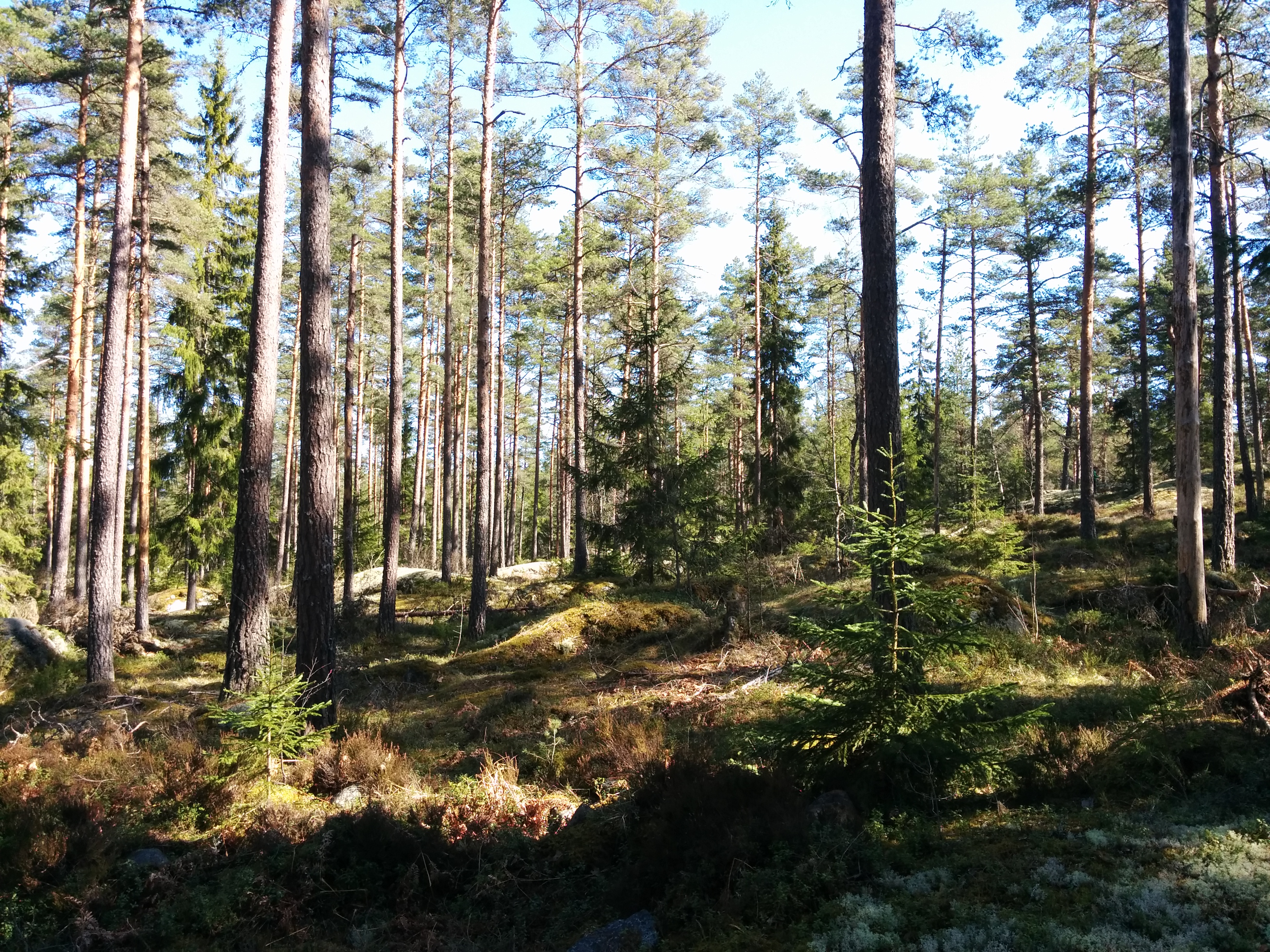
The most recent competition, held over the weekend. I ran the night and long (last year I ran the middle and long). I had some problems in the week with some pain in my quad, but it had subsided by the weekend. I had a good race in the night, barring a shit end, and managed to win! The long was less successful and I really struggled in the terrain after the strength training the day before. My legs were really heavy, as was the terrain which made it difficult to sustain a high intensity. The course was also uninspiring, 14 controls over 11km! The end result was #amateurhour of orienteering (see below). It was still a fun training, and it was such a beautiful day in the forest! The days are getting longer and warmer, and I am really starting to see the beauty of Sweden again!

Map Natt
Map Lång

#amateur

#amateur

Siggefora!

Siggefora, Uppsala Möte Lång

Summer is coming!

Summer is coming!

I will now take out some of the training I have invested into the bank, in hope to find some top form for Tiomila. It always feels a little uneasy before the big competitions, a calmness before the storm. I will be running towards the end of the relay, which will mean a very early start, depending on if I sleep or not. I am really excited, as are my teammates, but we are also calm, focusing on the final prep in order to get the job done.

#itsourtime #ogdenexcited 

Its Only the Beginning

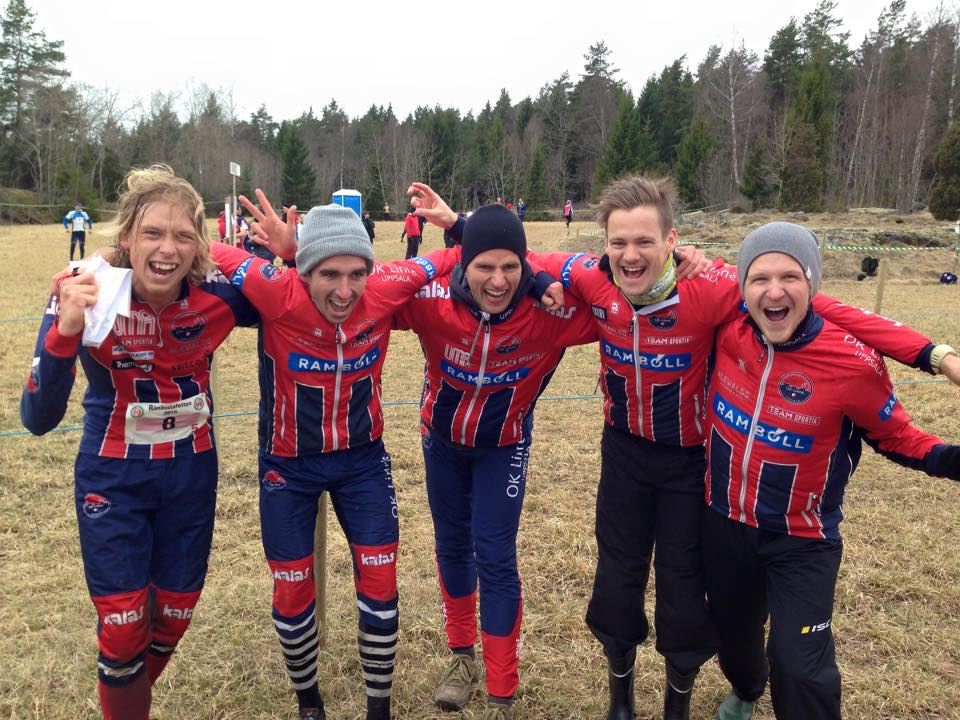
Well it has been 5 weeks since I arrived back to Uppsala after the training camp in Croatia and Slovenia. It has been a stable period of training and working, with two significant highlights being victories in Måsentafetten and Kolmårdskavlen with Ok Linné. These relays are pretty insignificant in the scheme of things, but despite this, there is significant excitement and energy surrounding them.

Måsenstafetten

I ran first leg, followed by Rassmus, Albin and then Oskar. Linné won this relay last year, so there was a little pressure/expectation to repeat the effort. There was some stress in the beginning for me trying to find where to get into the start. Evidently the mass of people congregating was not clear enough. This stress was quickly replaced with focus, and I got into my rhythm once the start gun was fired. I had full control over the technique up to the 7th control. Towards the 8th I made a small mistake, where the group got ahead of me. I think here the tough swedish terrain caught up with me at this point also, and I became tired. It wasnt too far to the finish, so I managed to finish in 6th position on the first leg, just under 20 seconds down. The business was already done, with Rassmus, Albin and Oskar taking over and finishing off the relay in style.

Map

Måsen Champions (photo by Mats Troeng)

Måsen Champions (photo by Mats Troeng)

Kolmårdskavlen

A week later, a small team change with Oskar pursuing romance over glory, and it was another victory. This time Kolmårdskavlen, with Jakob running the first, me the second, Jan 3rd, Rassmus 4th and Albin running the anchor leg. Jakob had a stable run sending me out in 18th position. I could then “hunt” the pack down, and eventually caught the front group just before the finish. I was really happy with my race apart from one 20 second mistake to the 5th control. It was even nicer to have the feeling to catch the first group, so that I could give Jan a good position for him to go out in. Then again, Rassmus and Albin were better than the rest, and Linné took the top place on the podium. It was actually pretty close in the end with SNO, so it was even nicer to finish on top.

Map
Video of the finish

Running into the finish (photo by JB)

Running into the finish (photo by JB)

Run in with the team! Vad kul! (photo by JB)

Run in with the team! Vad kul! (photo by JB)

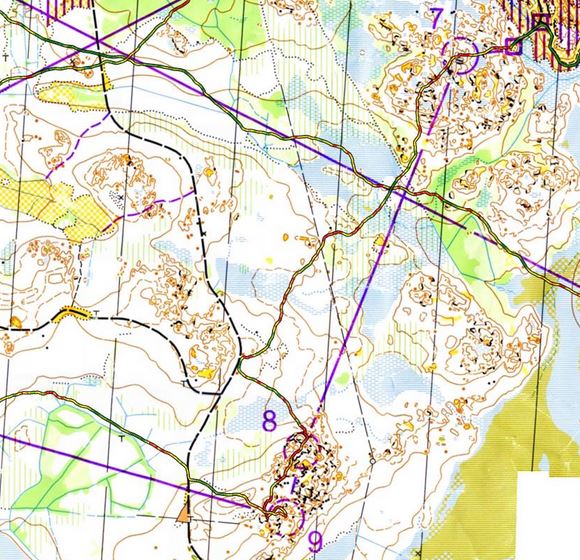
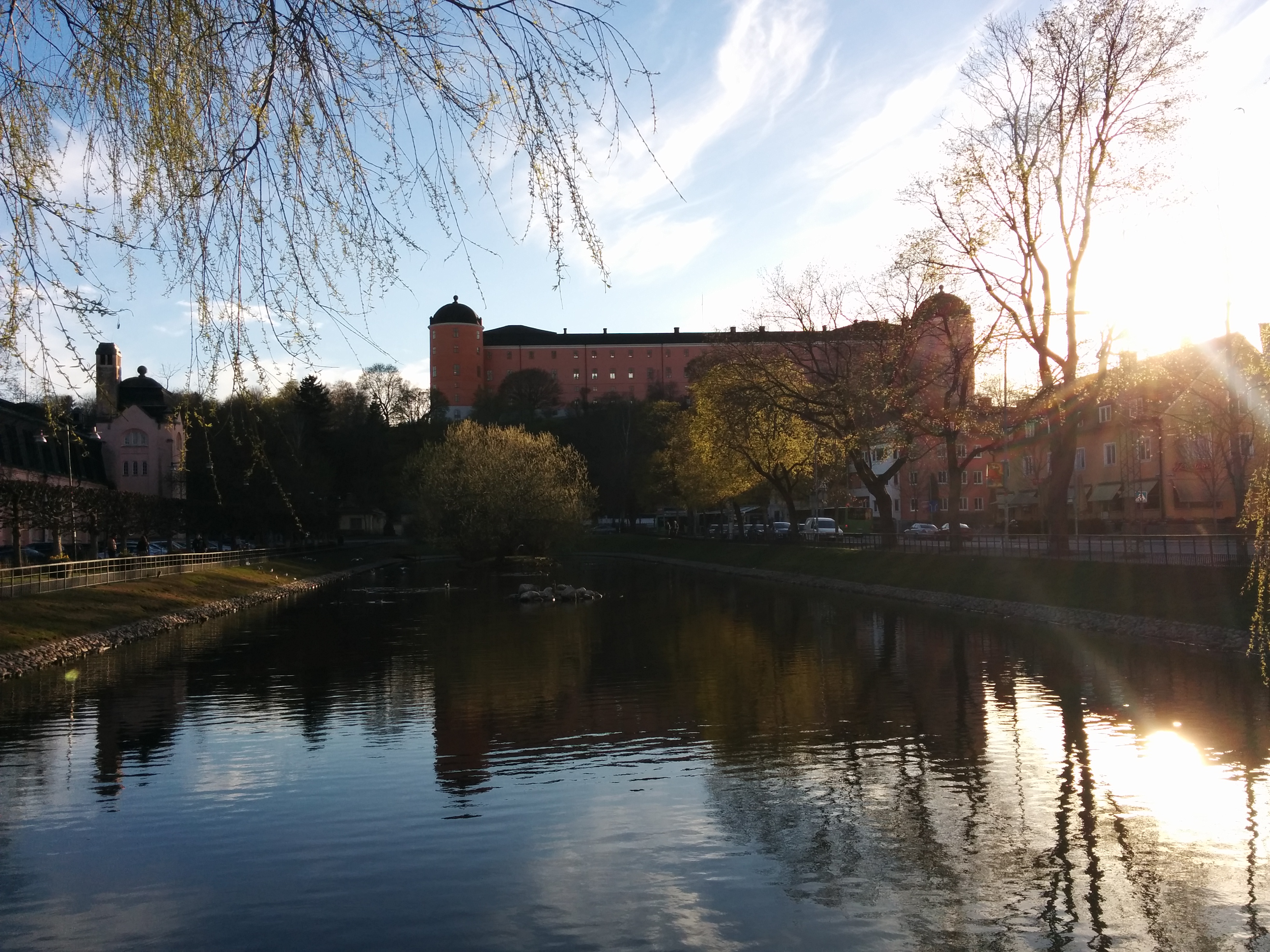
The spring weather is starting to arrive now, and following day light savings last weekend, training conditions are becoming increasingly more pleasant here in Uppsala. I ran one of the coolest trainings ever last weekend, a leg over 3km with contours only in Lunsen set by Thierry. An awesome challenge!

Highway to Hell

Tomorrow I shall run my final relay before Tiomila, Rånässtafetten, and I will run the 4th leg. We have two very strong teams, so it will be fun to see which of the two teams comes out on top. Our goal for this relay is to demonstrate the strength of our team for Tiomila. The feeling in the mens team is really great at the moment, everyone seems to be in rather good shape so we are getting very excited (even #ogdenexcited) for Tiomila. Then, it is under a month to Tiomila, and my first major goal for the season.