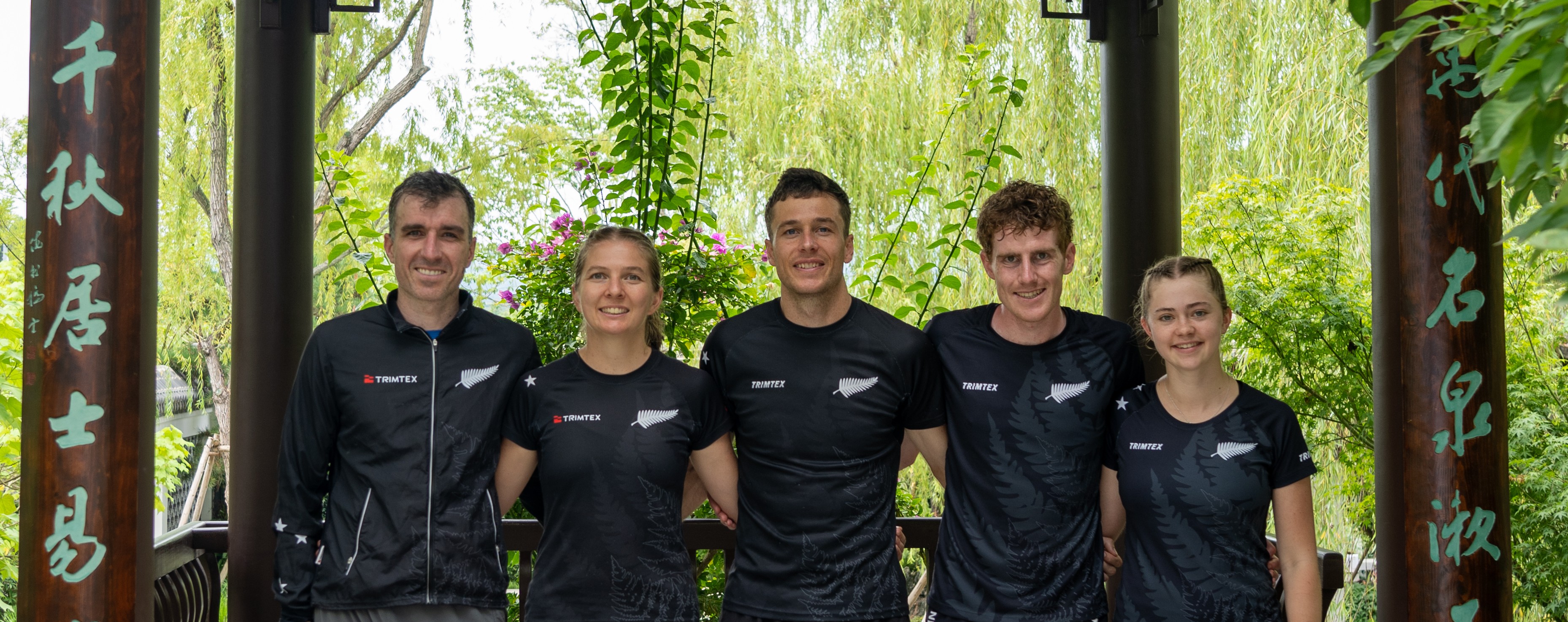
An intangible cultural experience – that is what a trip to China promised and that is what China delivered.
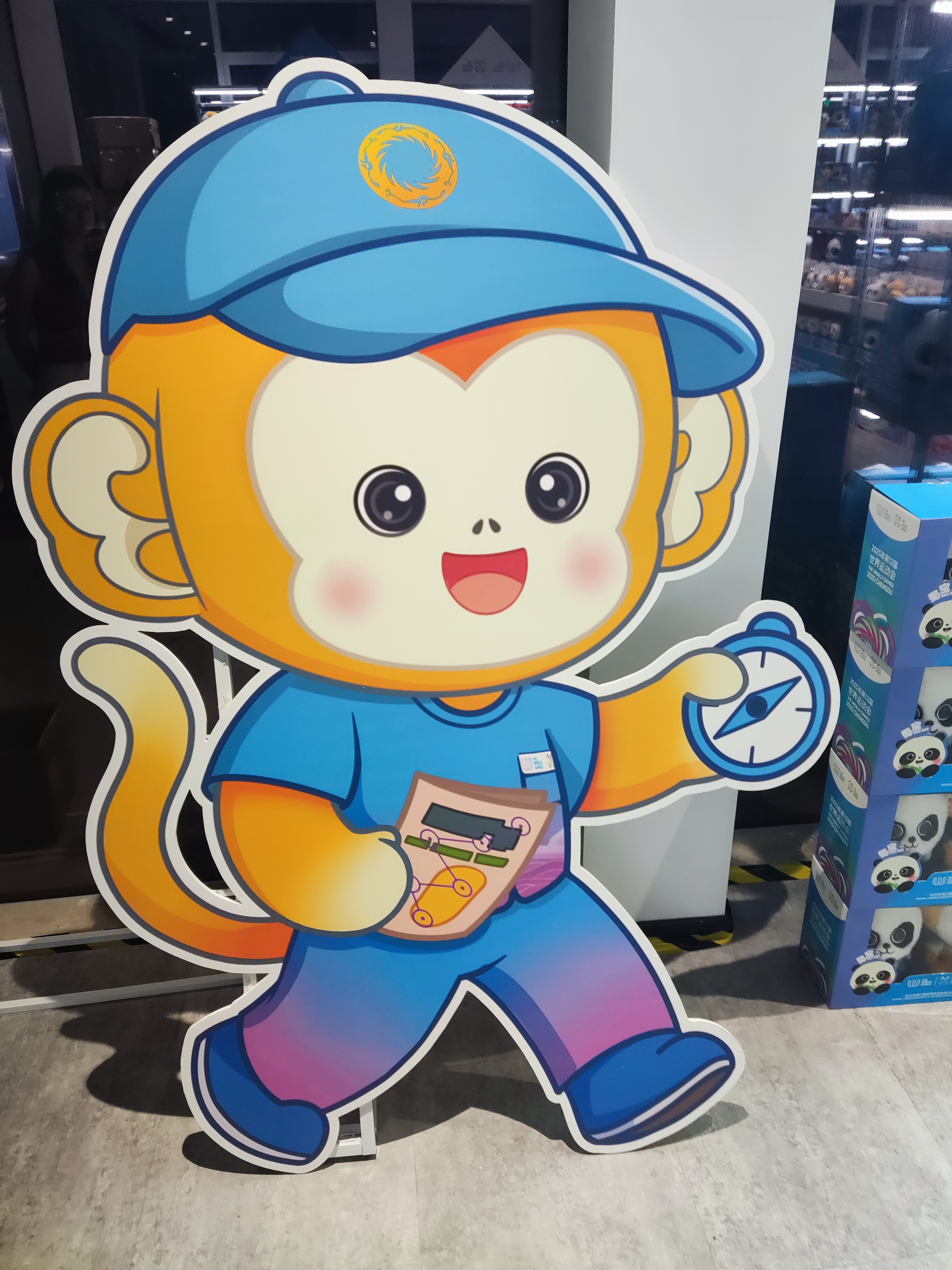
The World Games (TWG) provided a unique opportunity to travel to China and participate in the event closest to the Olympics orienteering is ever likely to get. There was no racing for me this time as the body starts to age, instead I would be coach/manager for a strong New Zealand team. Initially I had hoped that I would be competing when China first came on the radar but in the end I thoroughly enjoyed not needing to prepare as I have done in the past, instead doing what I could to support the team. Chengdu (Sichuan Province) was the host city for TWG. A modest sized city of 21 million people it is home to crowd favourites like the Research Base of Giant Panda Breeding. It is also a gateway to the epic mountainous regions not too far from Tibet which peaked my interest. Having hosted large sporting events in the past including the FISU World University Games in 2021 Chengdu seemed very well equipped to organise TWG. In the build-up I was particularly excited to see that Jackie Chan was one of the torch bearers and the two mascots, Shu Bao and Jin Zai, were just outstanding (see video below from the opening ceremony).
The 2-week adventure to the east was divided into two parts. The first focused on TWG and the second provided an opportunity to explore a couple of sacred mountains close to Chengdu as well as other tourist hotspots.
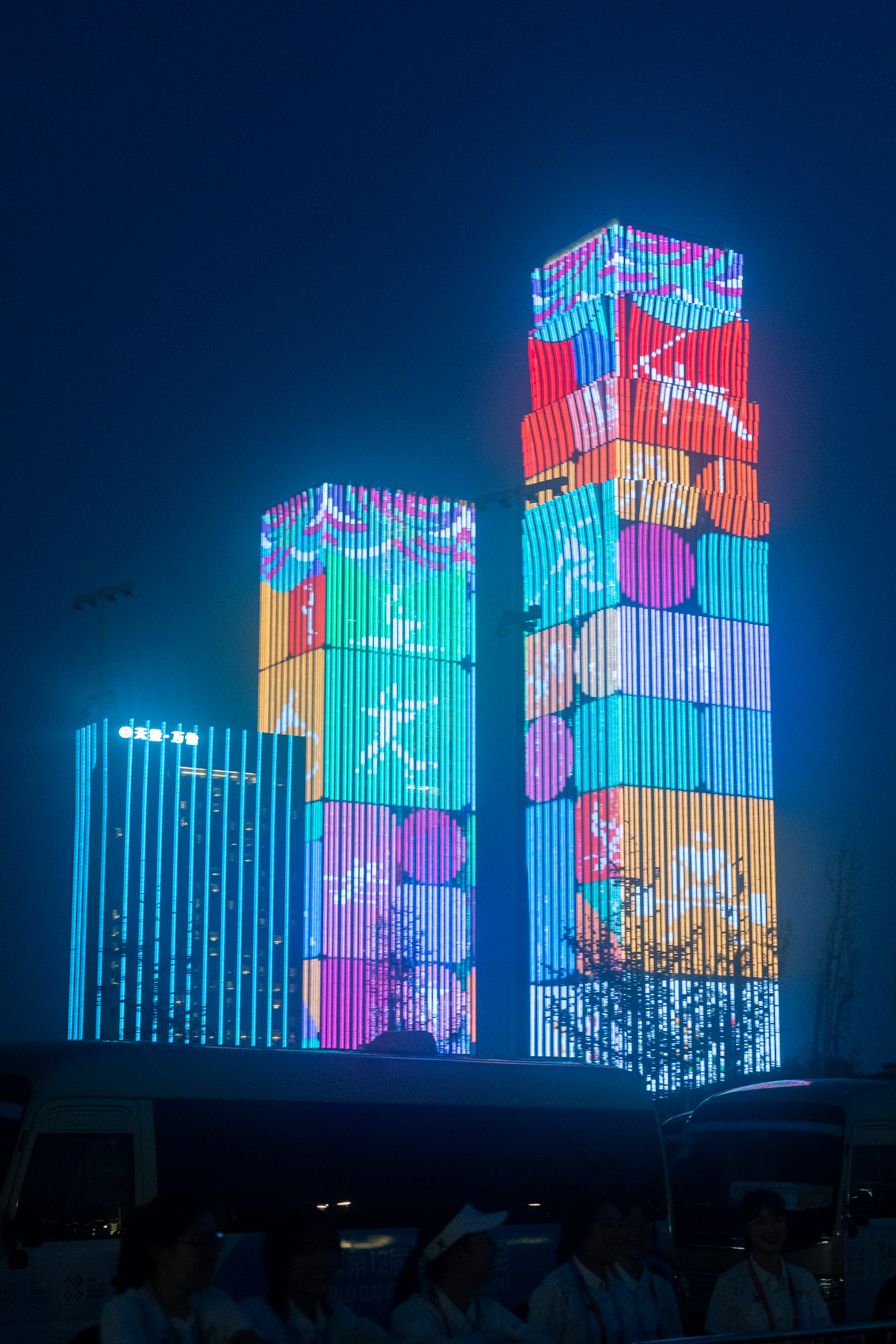
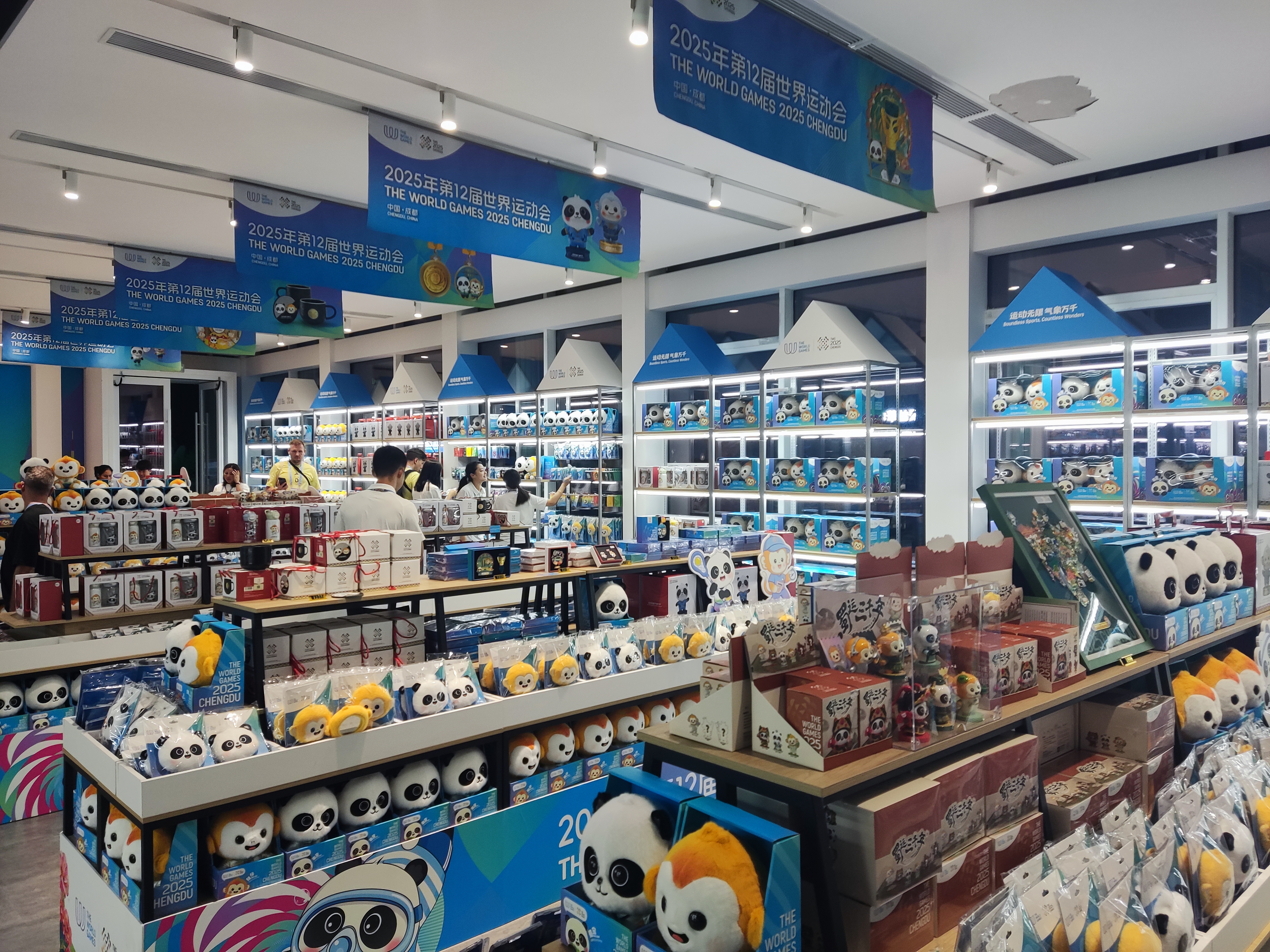
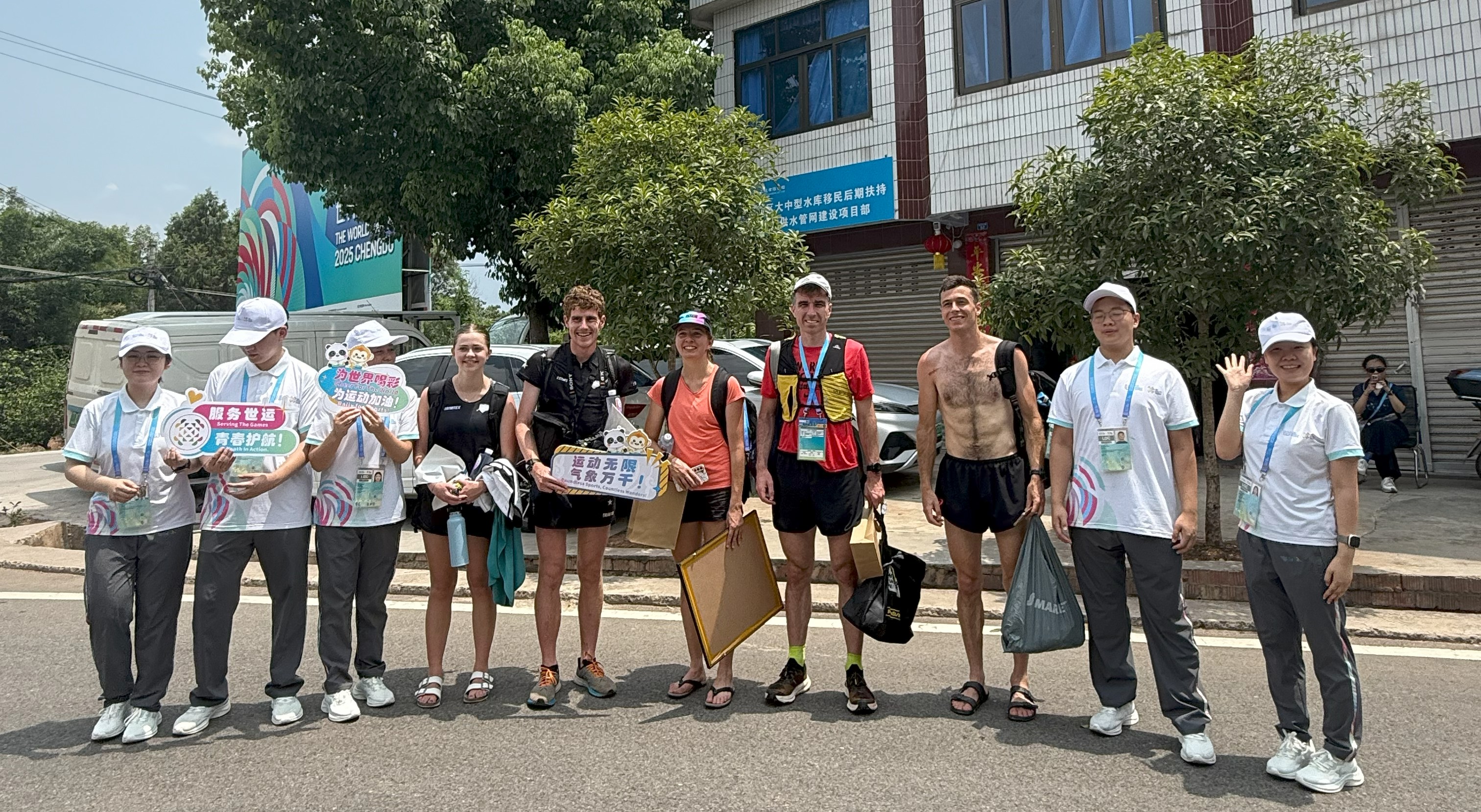
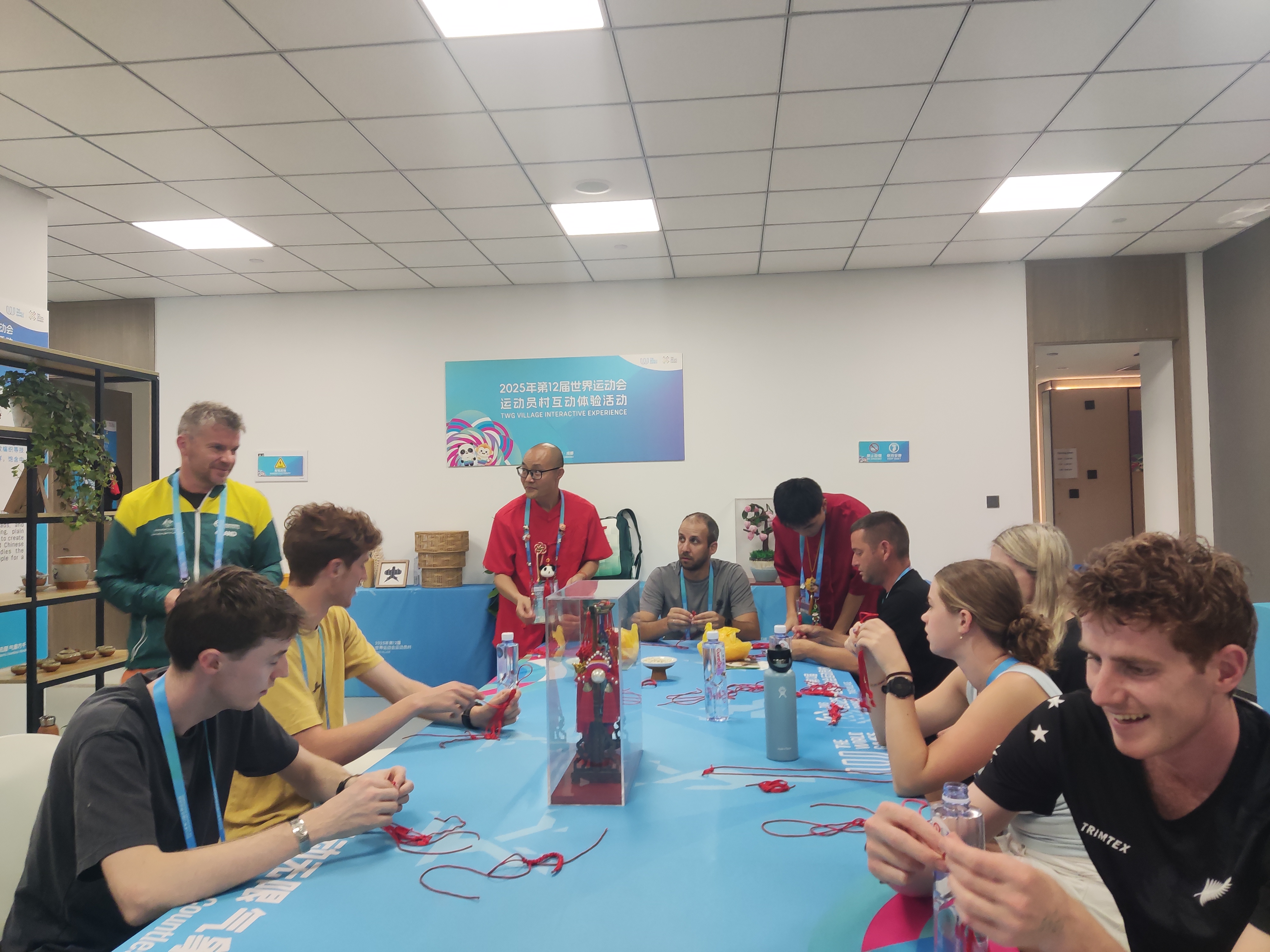
Upon arriving in Chengdu it was clear that the organisers had gone all out. We were guided out of the airport by a chute of volunteers surrounded by TWG promotional signs onto TWG-branded buses. It was already here that I began to adopt the two handed wave, a gesture of maximal friendliness and welcome. I couldn’t help but smile every time I was able to action this greeting. The athletes village was where we would spend most of our time outside of the competitions. It was a dedicated facility which could accommodate a significant portion of the 5,000 athletes and supporting folk. The first time we entered the dining hall was pretty mind-blowing and making use of the internal mini-bus system was a great way to avoid walking in the sweltering 35+ degree heat/>60% humidity. Security was another aspect that surprised me – facial recognition systems, bag scanners, body pat-downs – every time we went out of or into any of the venues we had to go through a checkpoint. It was only after we snuck Zara’s mum into the village towards the end of our stay did I freak out at the number of cameras likely watching our every move. An athletes village or a prison?
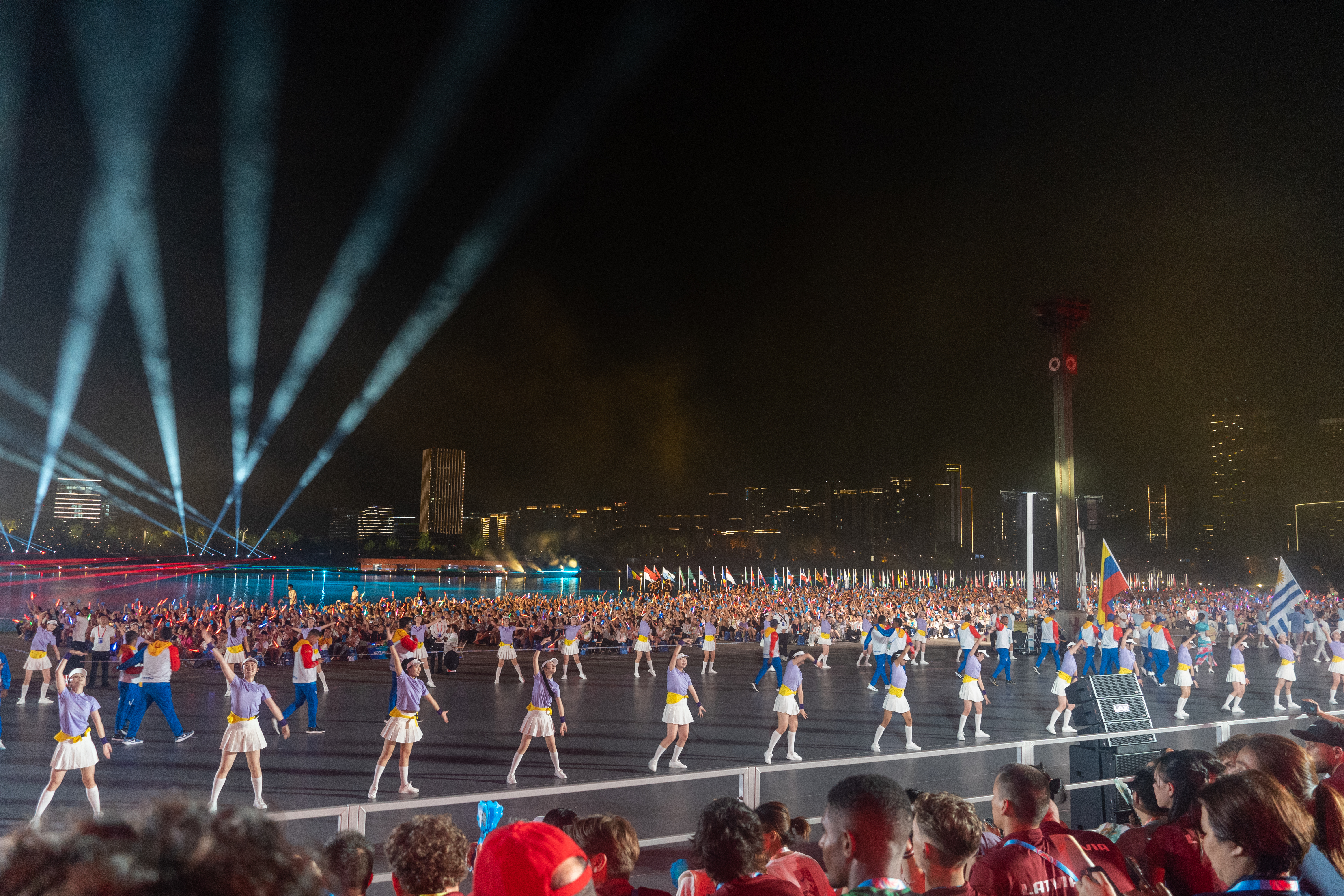
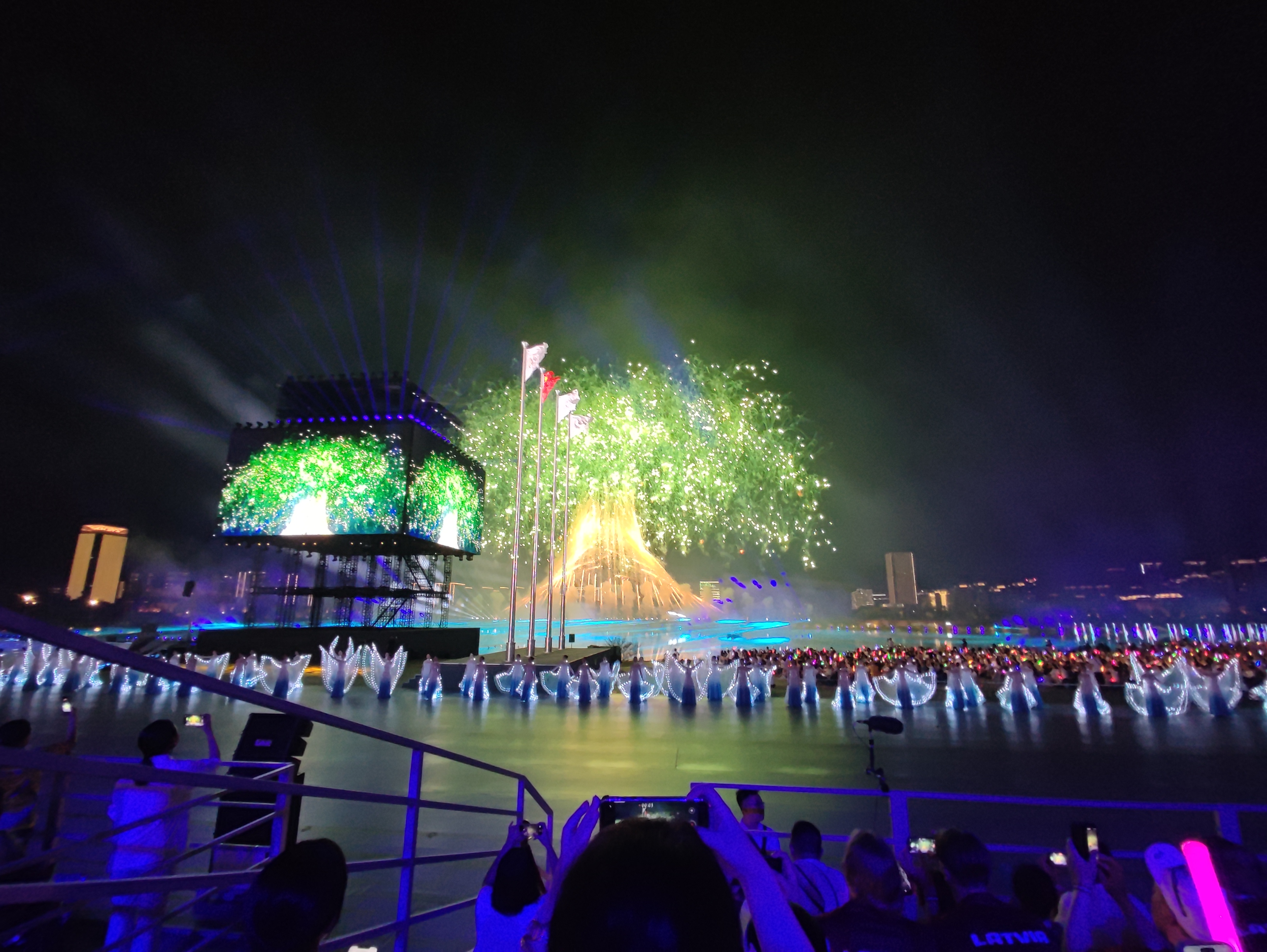
We had a couple of days to acclimatise ahead of the races which saw a couple of model events and one chance to run on the mosaic-style, rural farming area that would be used for the middle. This was probably one of the best aspects of orienteering at TWG, the athletes got to experience, in competition, both rural China as well as modern China whereas most other sports came to Chengdu and simply competed in a stadium or standard sports field. Before the races started though we had the opening ceremony which was just out of this world. A stunning display of dancing, fireworks, and theatrics, it kicked-off TWG in incredible style. It was a late night before the first race but totally worth it and cool to see that nearly everyone got amongst the action.
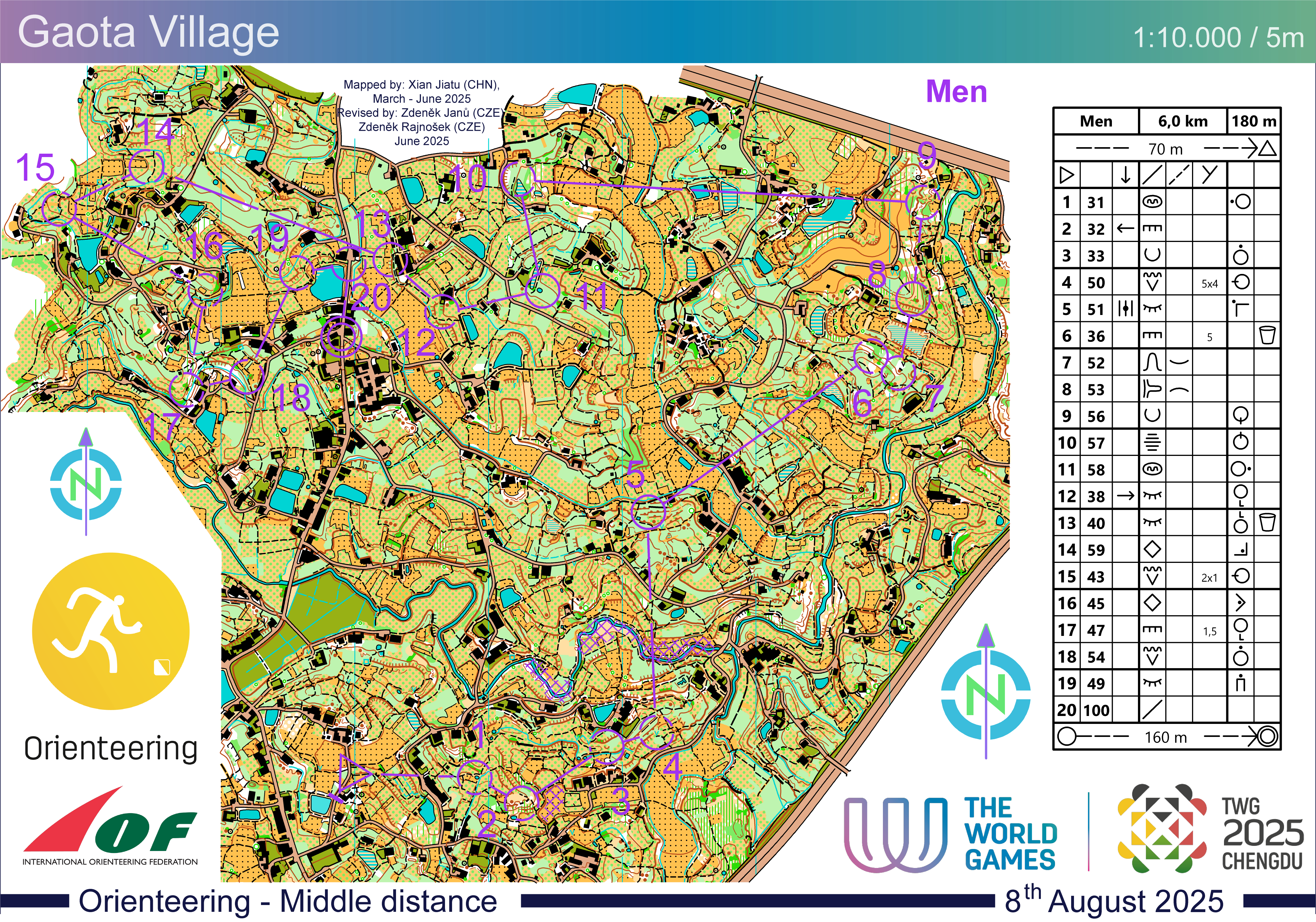
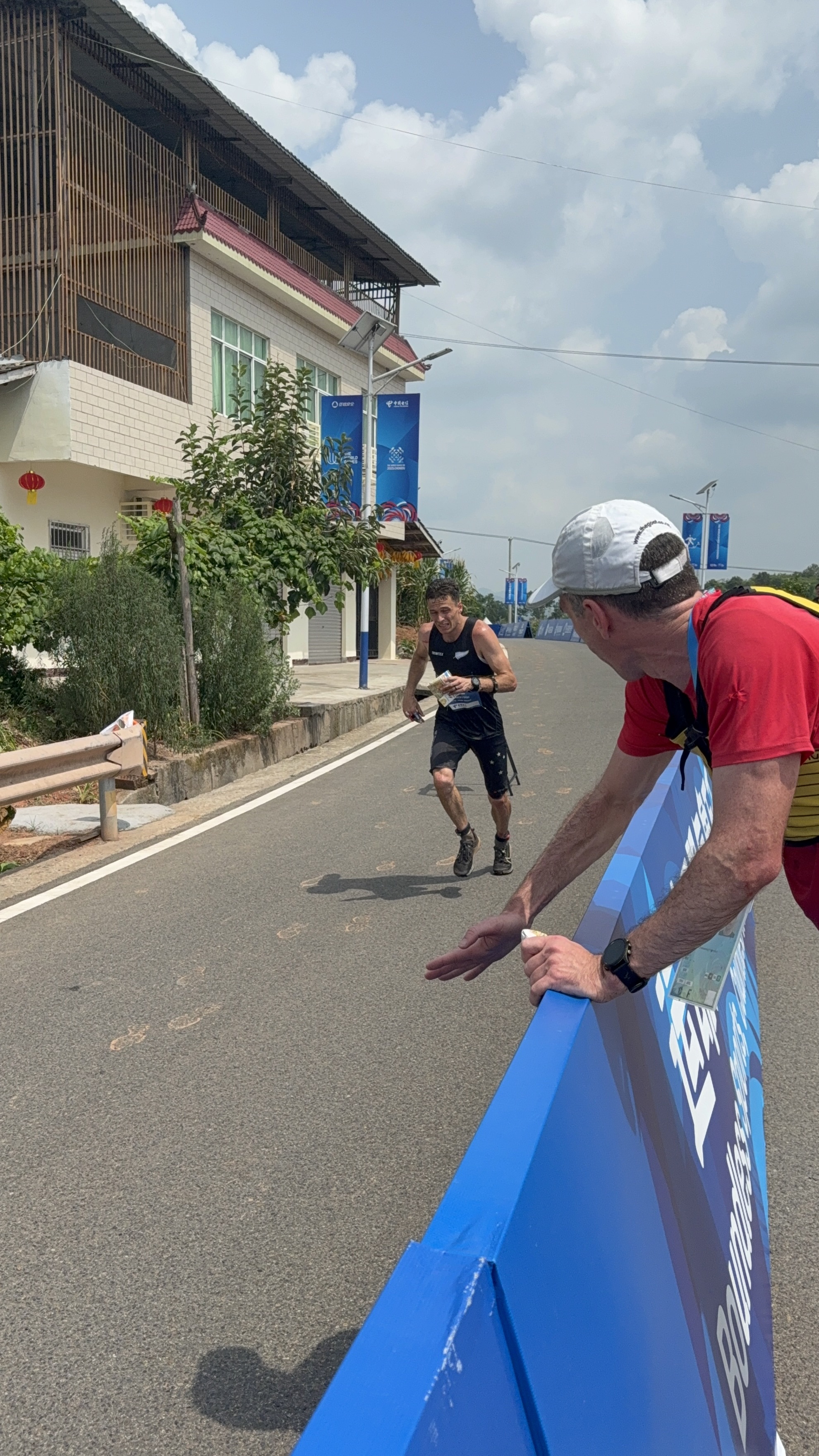
Now the middle race will be memorable for the worst possible reason. The day was hot, but I think the orange-groves made conditions even more unbearable pushing temperatures above reasonable racing levels. I was glad I bought my running vest which we could fill with ice to keep everyone as cool as possible prior to their races, but even still, when I arrived at the finish after seeing everyone off, I could only describe it as a war zone. People were collapsing at the finish line in rather shocking states. One guy was in an ice bath, another soon arriving vomiting at the entrance to the recovery area. I don’t think I have been to an event where wheelchairs were readily being used to move people away from the finish line. Jo had already finished and was explaining to me that the Chinese organisers were panicking that the media were taking pictures of the scenes and they were trying their best to conceal what was happening. Despite this, the NZ team did very well, Tim just 21 seconds off the podium in 4th place, but to my biggest relief there were no significant medical concerns. At the officials meeting for the sprint we learnt that there were two hospitalisations and that one was very serious.
The tragic news would come out on the day of our departure, but it stuck with me for the remainder of the trip and really highlighted the impermanence of our lives. Mattia Debertoli collapsed during the middle, we think falling because of the effects of the heat and then sustaining a head injury. Despite best efforts, he passed away and triggered a period of mourning throughout the orienteering community. I cannot fathom the pain his mother went through as she was flown from Italy to watch her son die. Now I won’t write much more on this, but will acknowledge that it has had a profound effect on many. I hope it triggers the IOF to develop a heat policy and we see some changes made, especially as more events begin to push the upper limits of what is reasonable to be racing in. It is just very sad that it should take the loss of a young, talented person for this to happen. My heart goes out to Mattia’s family and friends.
This was in the background and the remaining events happened without much direct impact. Fortunately rain came and with it cooler racing conditions, as well as the last two races being sprint distance, hence significantly shorter. We had high hopes for the individual sprint and the technical horticultural gardens map (which was absolutely epic) suited us. Unfortunately, both Tim and Jo missed a critical straight route choice to the 4th control which put them again outside of the medals. Redemption came in the sprint relay, where Laura and Tim had the team in first after two legs. Jo ran strong to send Zara out in a really high position for NZ, making for some exciting spectating. In the end we were 5th and that meant we had achieved our mantra for the week – to “bring glory to the country and strive to achieve the top 6”.
Aside from the racing it was super fun to spend the week with the team along with other orienteers and athletes from NZ and different sports. It was fun to learn about new sports like fistball which bolstered NZ numbers significantly with both men’s and women’s teams, as well as learning about other weird sports like tug of war, drone racing, and ultimate frisbee to name but a few. One highlight was watching the GBR men’s tug of war team win the gold medal pull/tug(?) at lunch on the live stream then seeing them that evening in the dining hall with their gold medals absolutely fizzing. Another highlight was an excursion to watch Karate and learning the difference between Kata and Kumite.



The second part of the trip was a more direct cultural, if not spiritual, experience. Before departure I had scouted out two areas I was keen to explore – to the south, Mt Emei and to the west, Mt Qingcheng – the two MTNs. My expectations were well set thanks to Liam Neeson.
Jo had some time after TWG had wrapped up so I would not be travelling alone. Together we departed the athletes village and made use of the Chengdu metro for the first time before getting on a high speed train south to Emeishan City. It was probably then that I began to truly appreciate the sheer number of people in China and the scale and pace of development the country has seen in recent decades. The train station was absolutely rammed with people and then as we sped out of Chengdu at 240 km/h we passed more tall apartment buildings than I could count. We soon found ourselves outside of the city boundary in a more rural area, but the train line had been designed clearly with a rather simple objective function – straight and flat as possible. We were either elevated above the ground or navigating the hills through a tunnel. The engineering aspects of this trip were a real treat. We arrived at our accommodation, aptly named Mount Forest hotel to begin our Buddhist experience.
Serendipitously we met Patrick after an exploratory jog that evening. He spoke really good English and would offer amazing insights into Chinese life and history. He shaped our next few days by offering advice for what we should do which I think made it that much more special. He was a failed Buddhist monk at 19, but had lived in the area his whole life and seen the popularisation of the Mt Emei region since Mao’s anti-religious campaigns of the 50s to 70s. Over dinner, cooked by his wife, we schemed the next few days. First a gruelling pilgrimage up Mt Emei, cheating a little bit by taking a cable car some part up. I couldn’t believe the elevation gain when I first plotted the route but in the end we climbed 2,300 m over 13 km. The path was all stone steps, connecting numerous temples dating back to the 1st century CE. At the summit was a 48-meter tall golden Samantabhadra Bodhisattva statue which was super impressive. Fortunately not many of the Chinese tourists had our physical capacity so we could enjoy a relatively quiet run for the most part. But when we came near the top, where the buses dropped people off, we encountered a sea of people. It was a little testing but most were amazed by two white men, especially one with red hair, running up a mountain. With the double handed wave being used effectively we eventually made our way to the top. Thinner air, exhausted, I was definitely appreciating the buddhist notion that life is suffering.
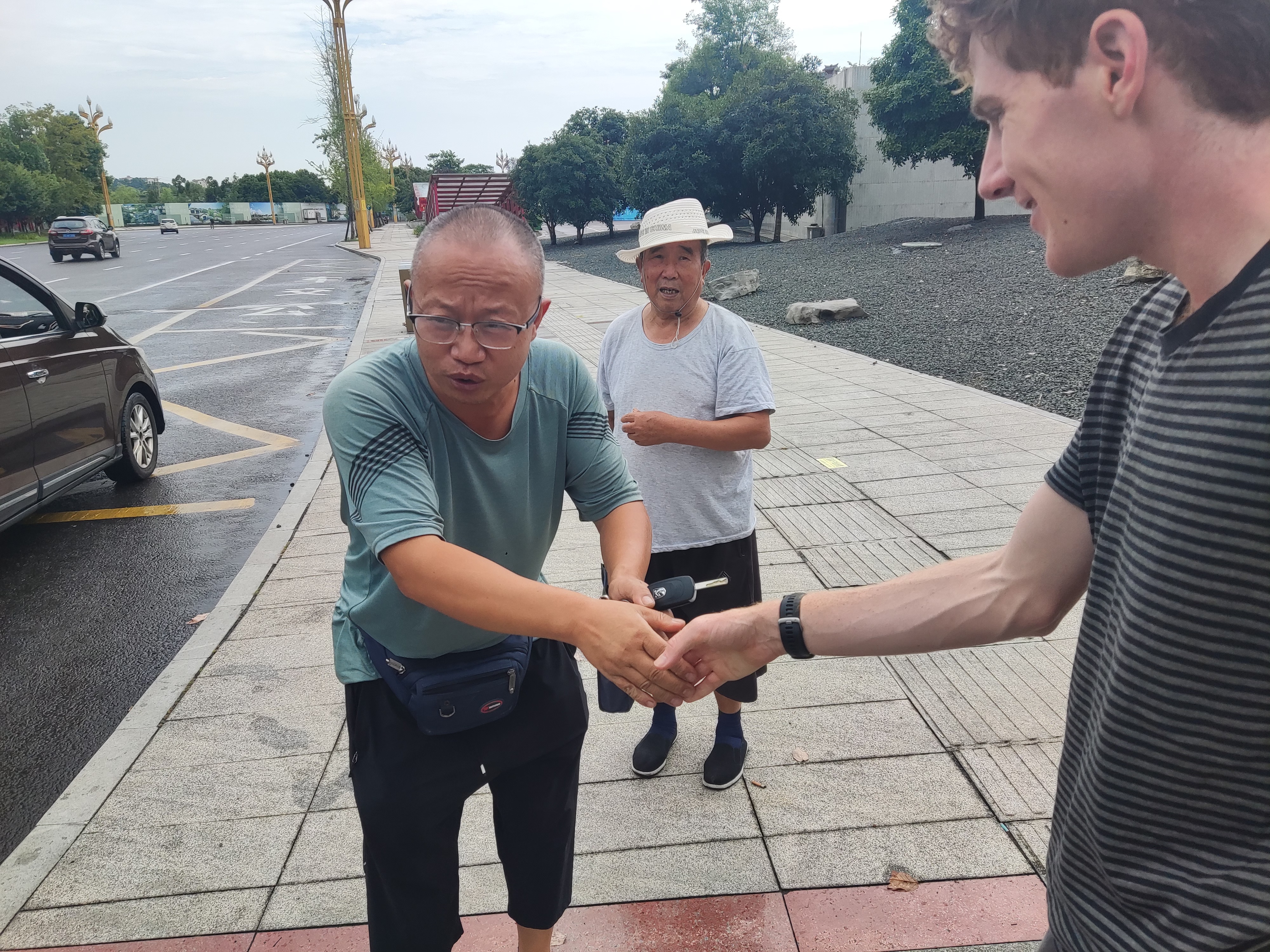
Following a 2-hour bus ride down, some food and a nap, Patrick had organised for us to stay at a nunnery part way back-up the mountain. We arrived quite late so the first glimpse of the nuns was the following morning, where we could observe their daily prayer. The sounds, both of their chants and their instruments, were captivating. Following breakfast at the temple it was a walk to the hotel and conclusion of the Emei-mmersion.
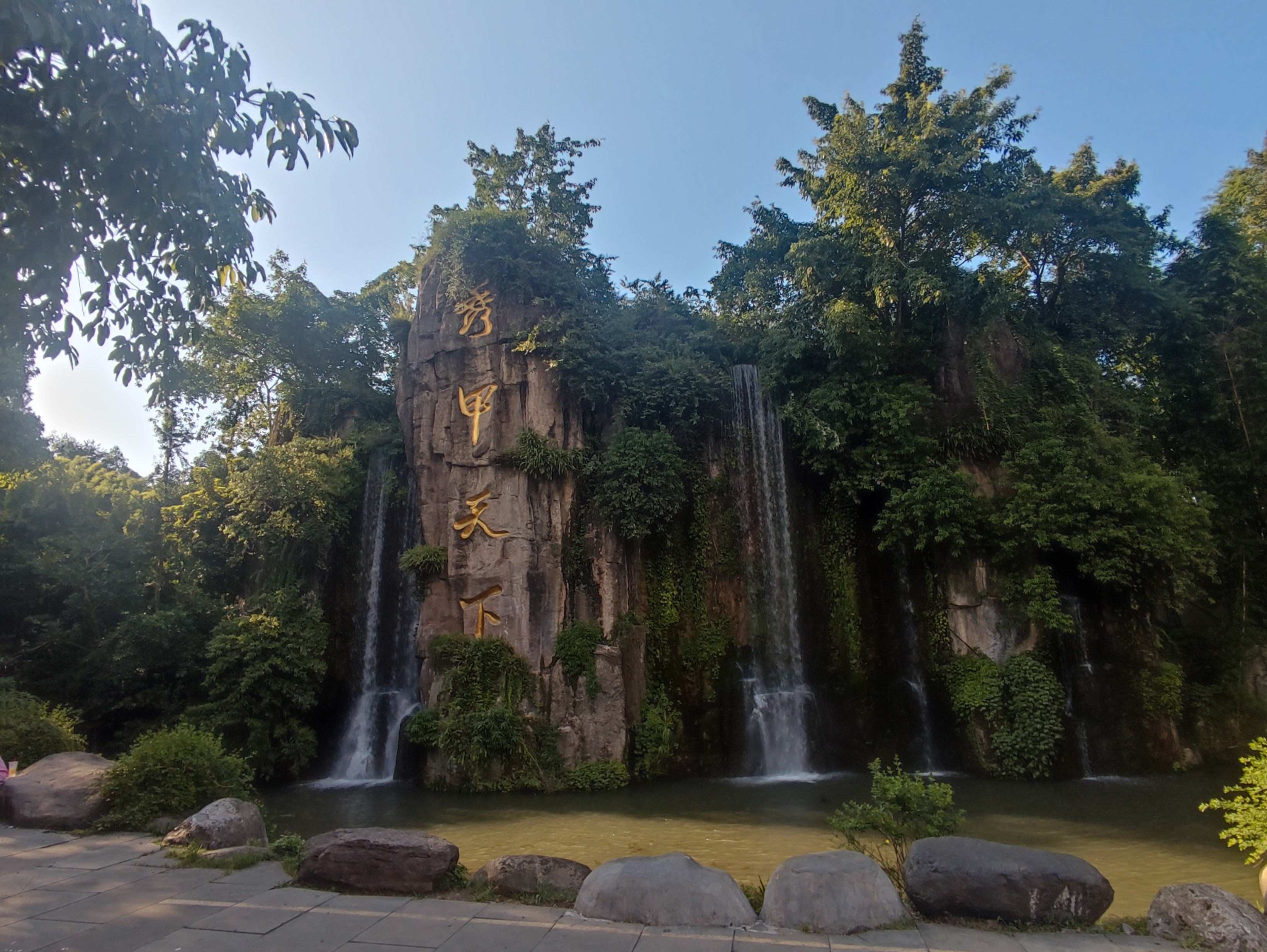
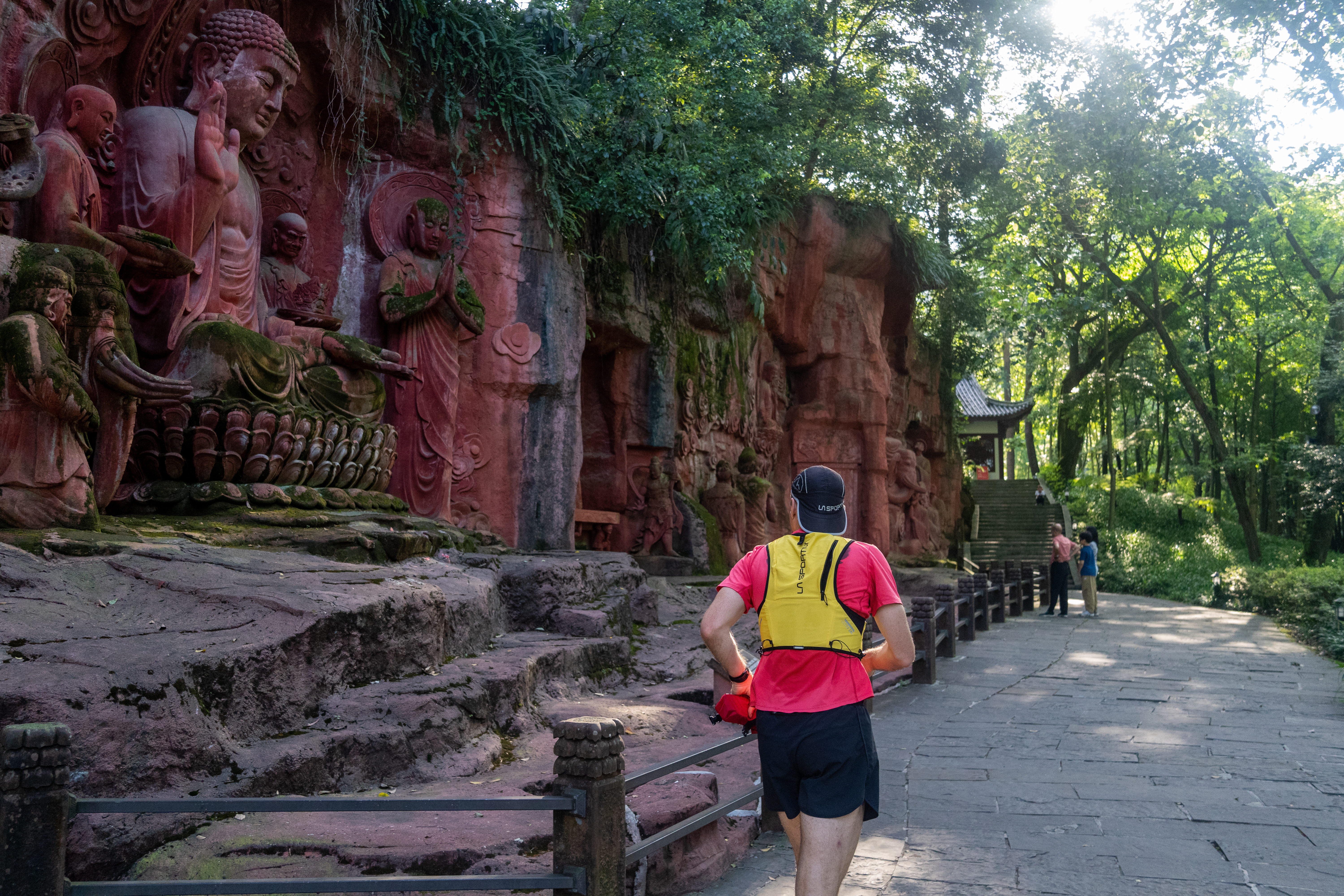
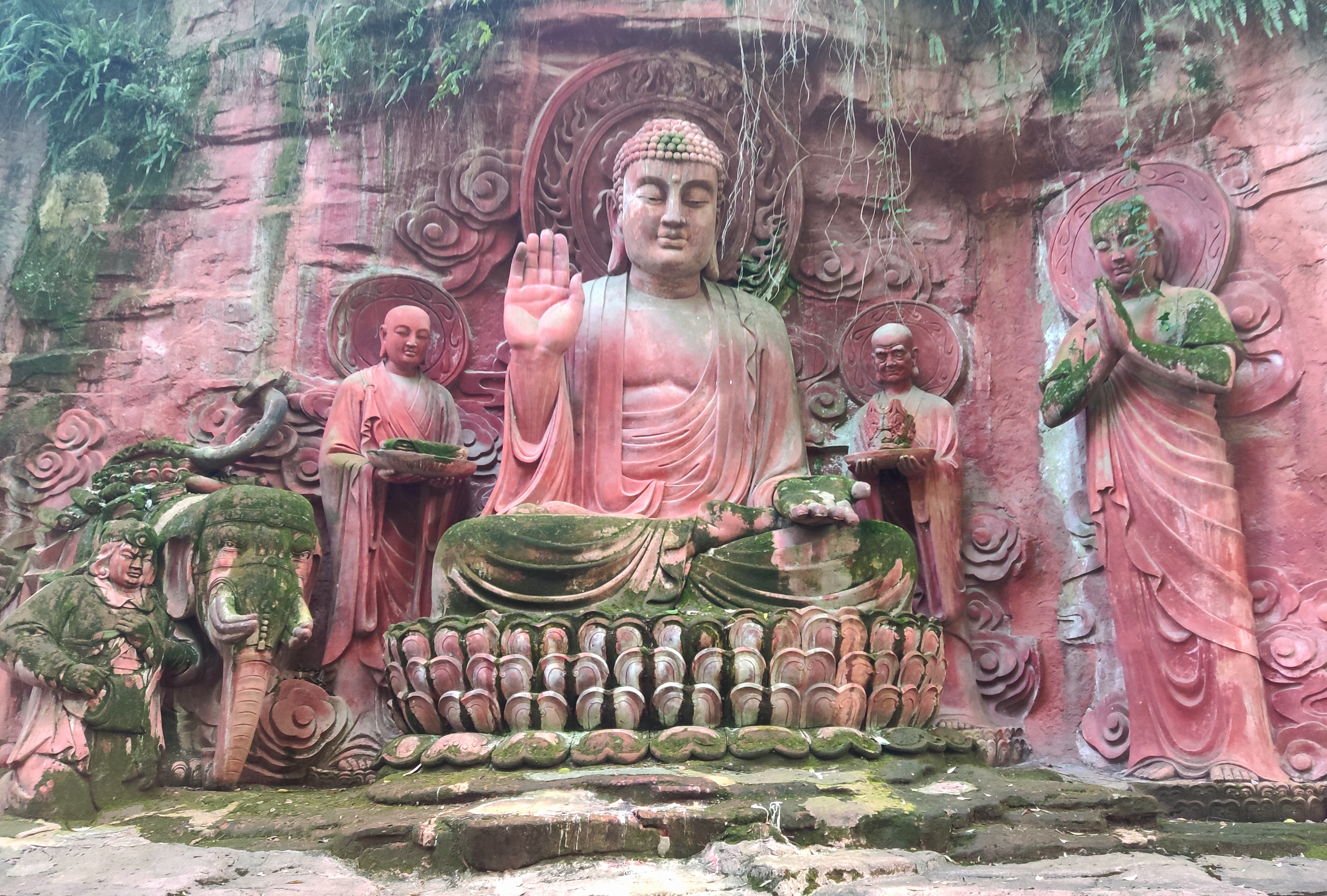
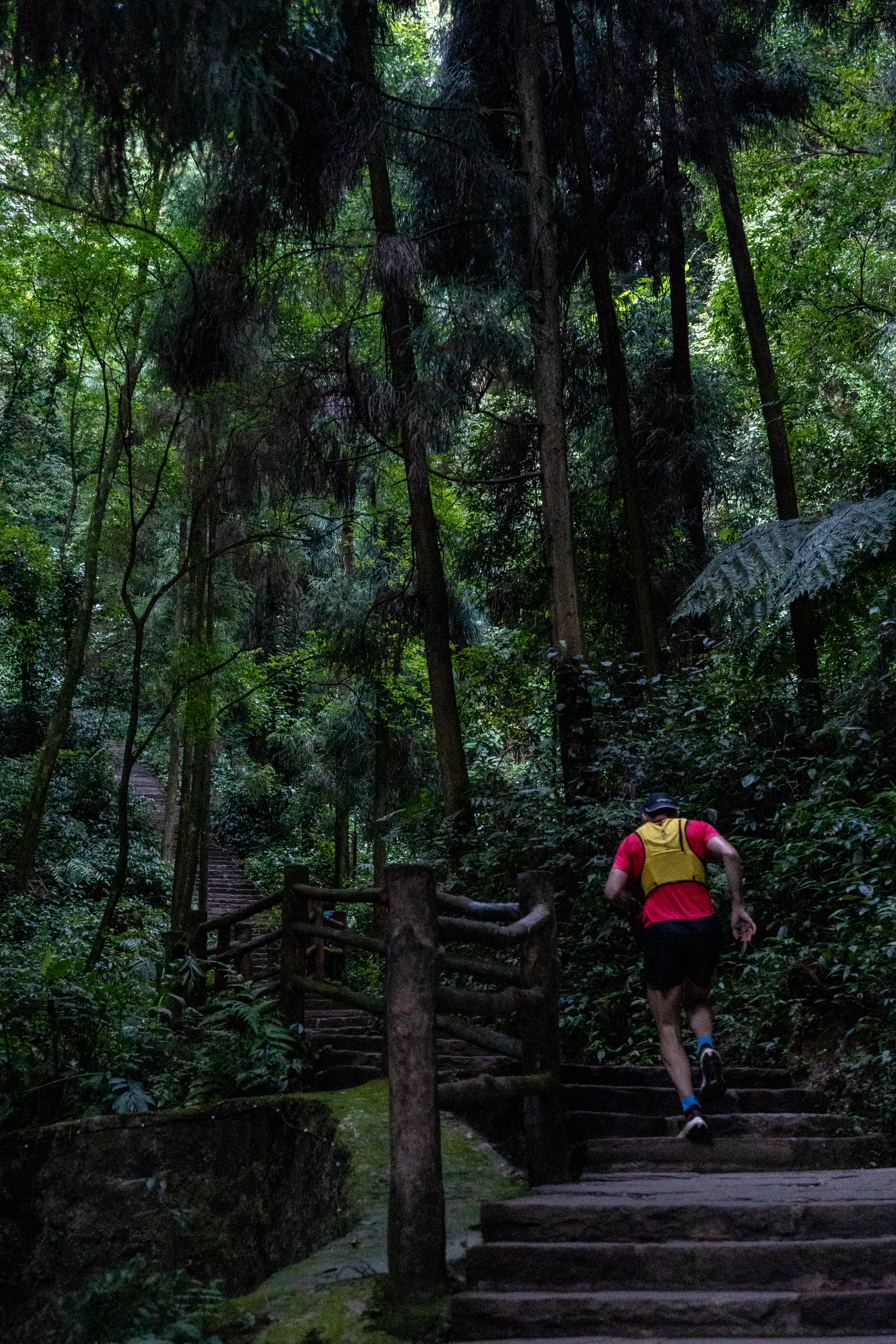
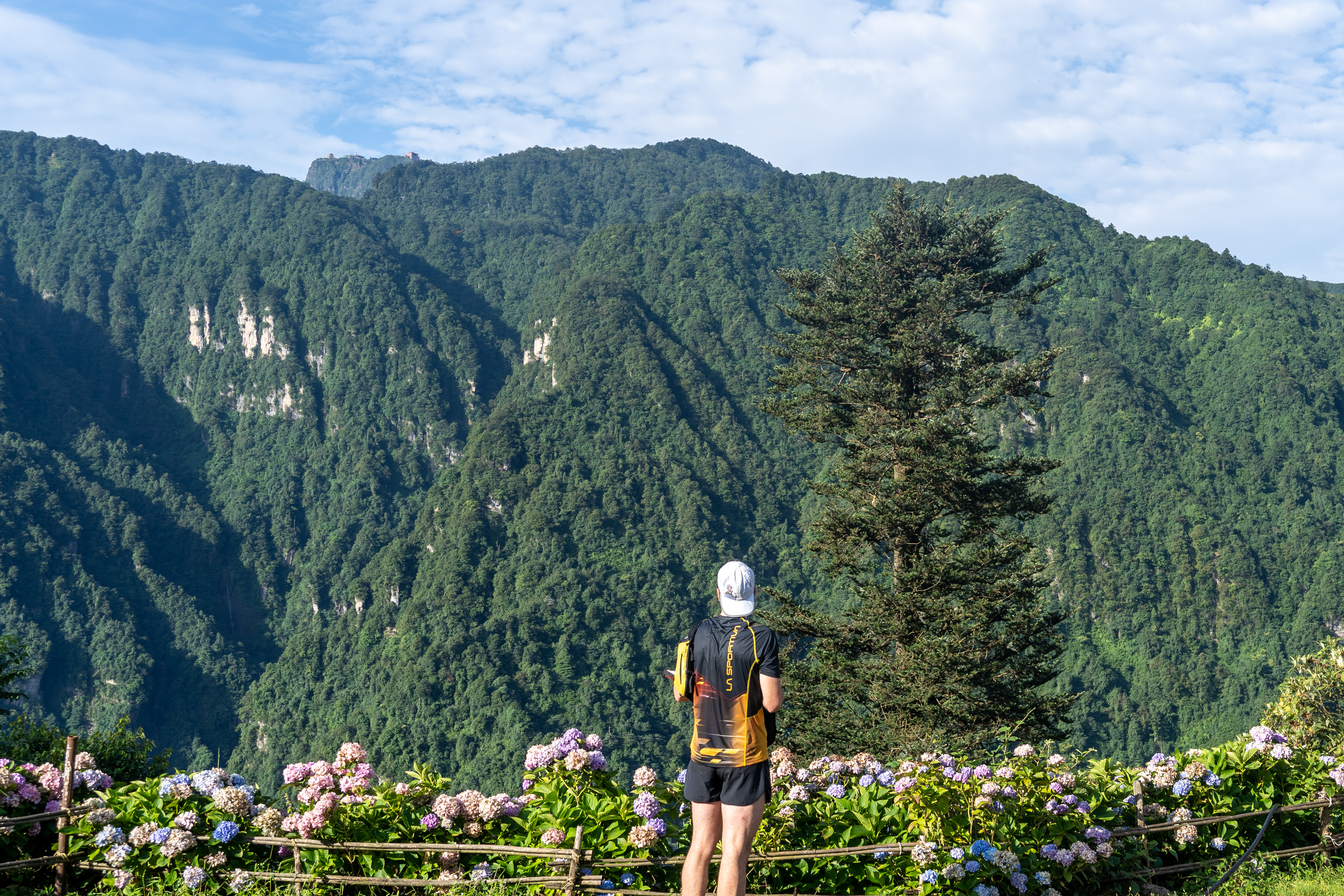
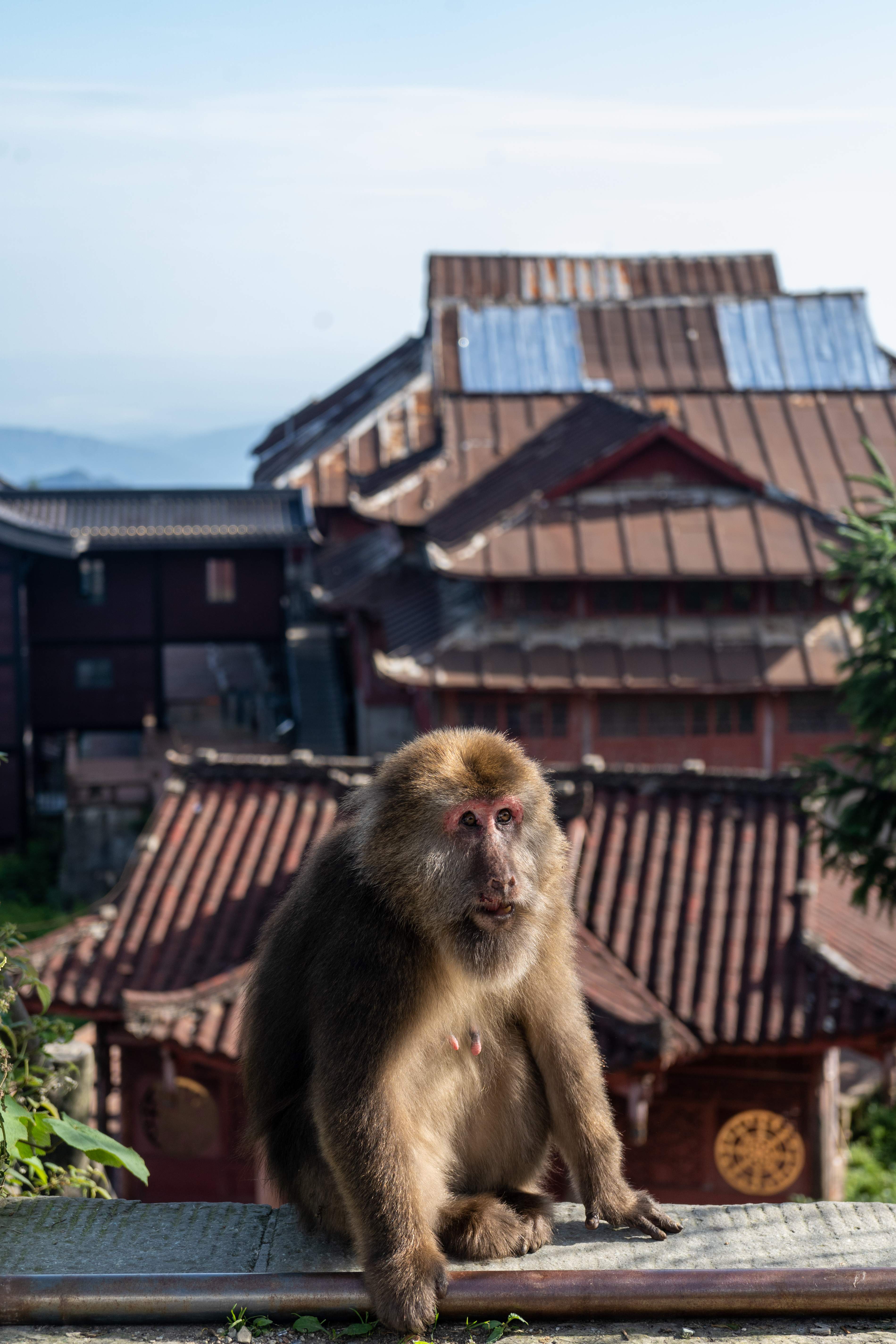
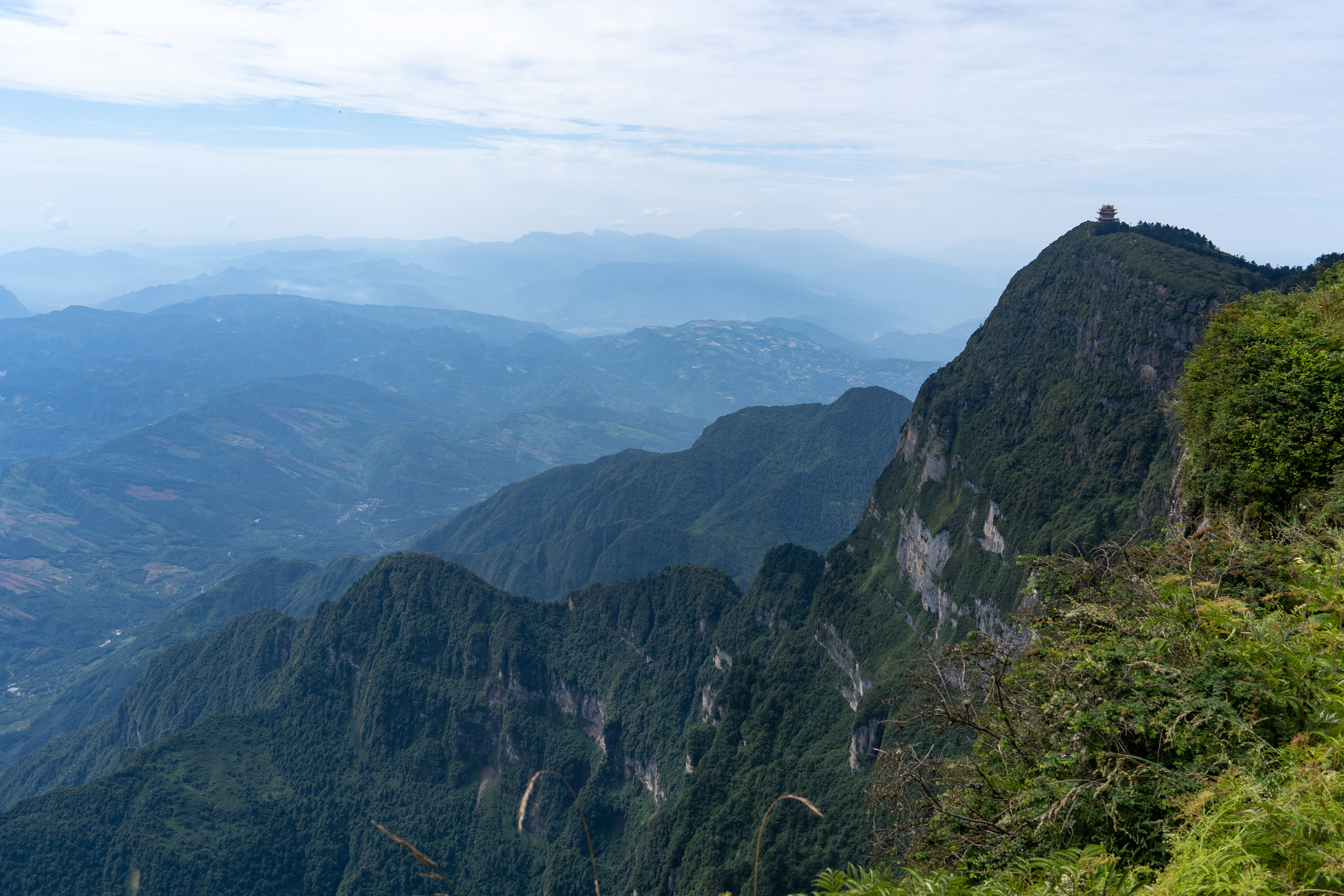
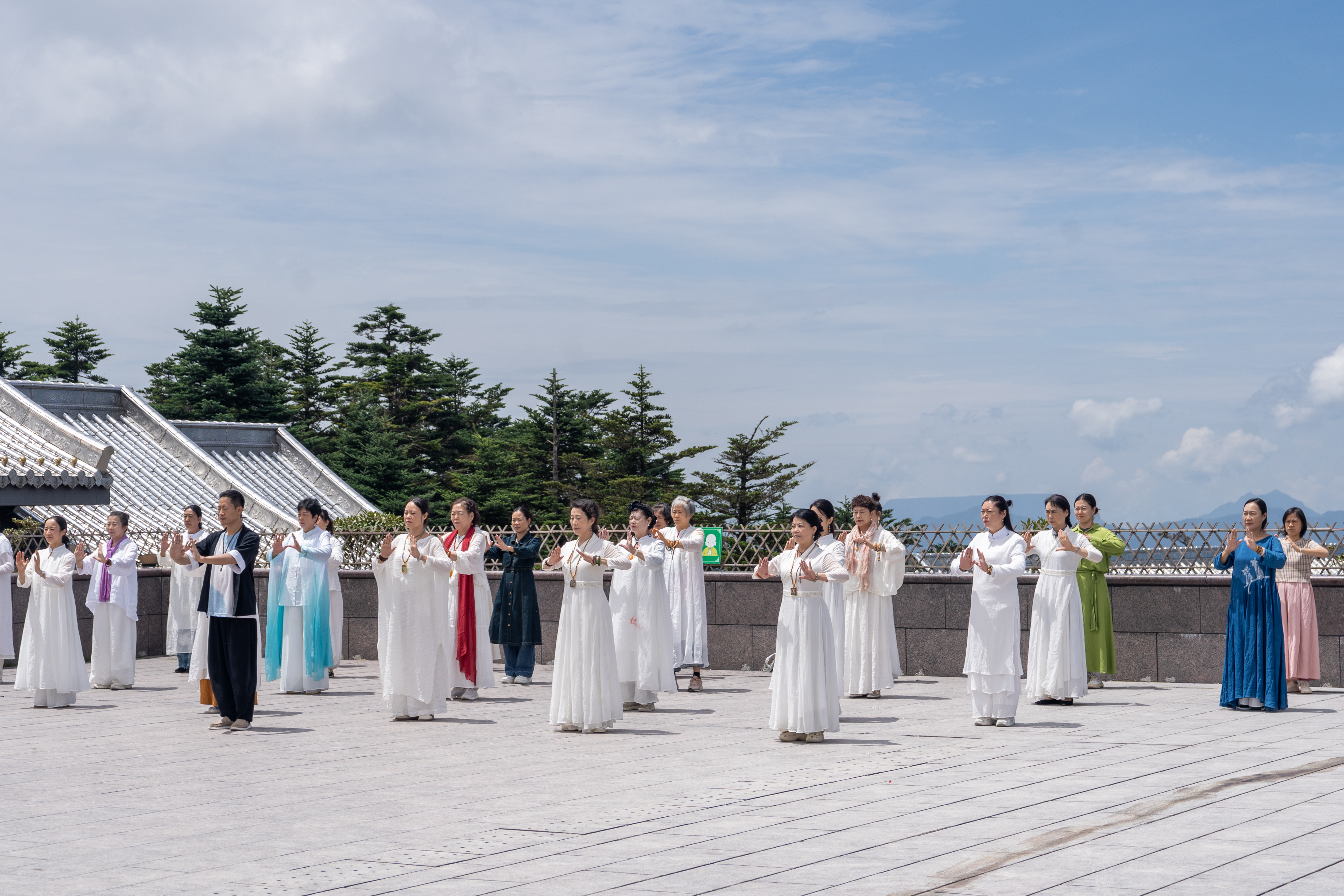
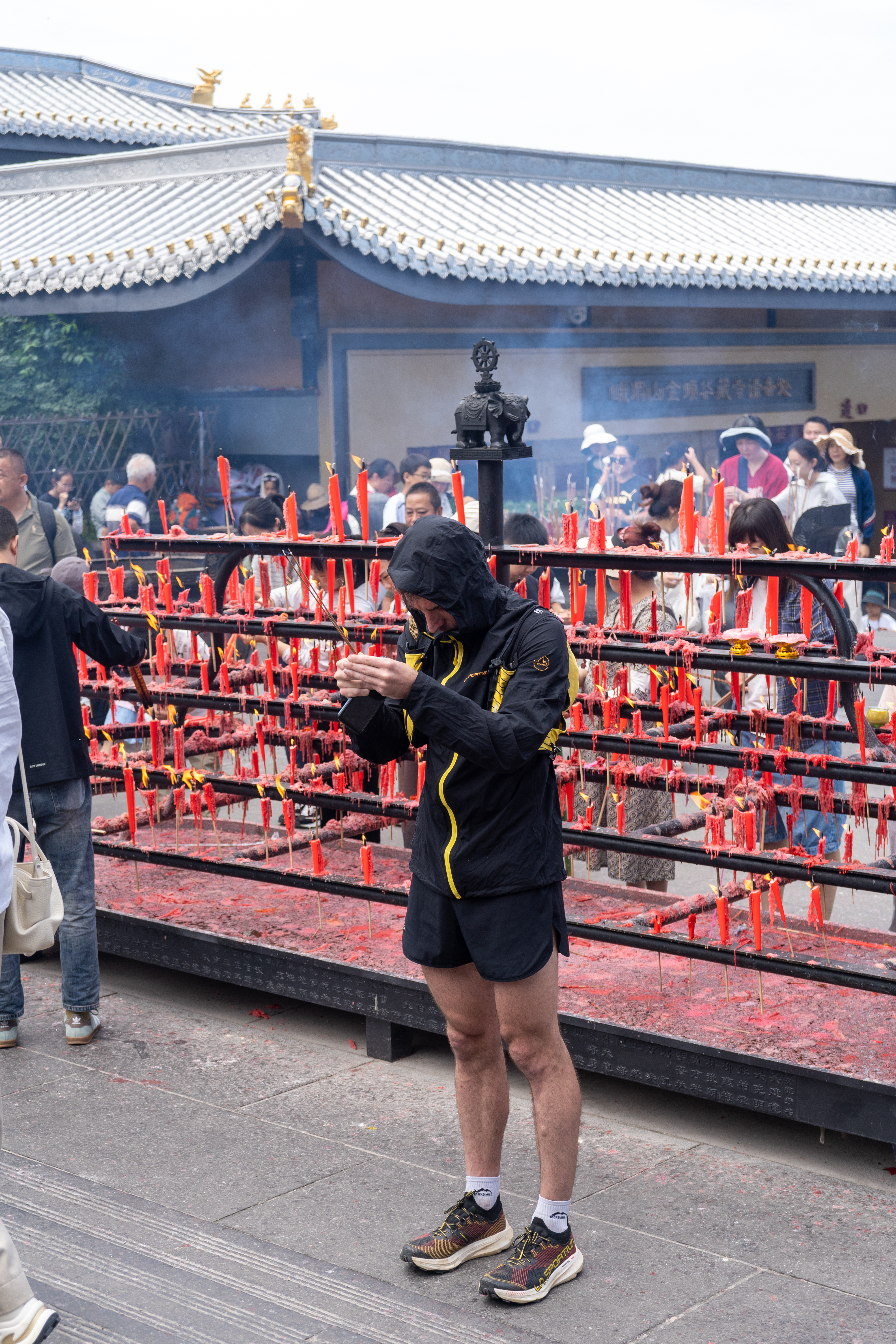

For the remaining time in China we were based in Chengdu and there were many more intangible cultural experiences including summiting Mt Qingcheng. Although it didn’t quite have the same epicness or meaning as Mt Emei it was cool reading about Taoism and seeing how some of its core concepts have appeared in Western Culture (e.g. large parts of Star Wars). I really connected with the idea of finding harmony with the Tao (“the way”) and pursuing balance in one’s life pursuits.
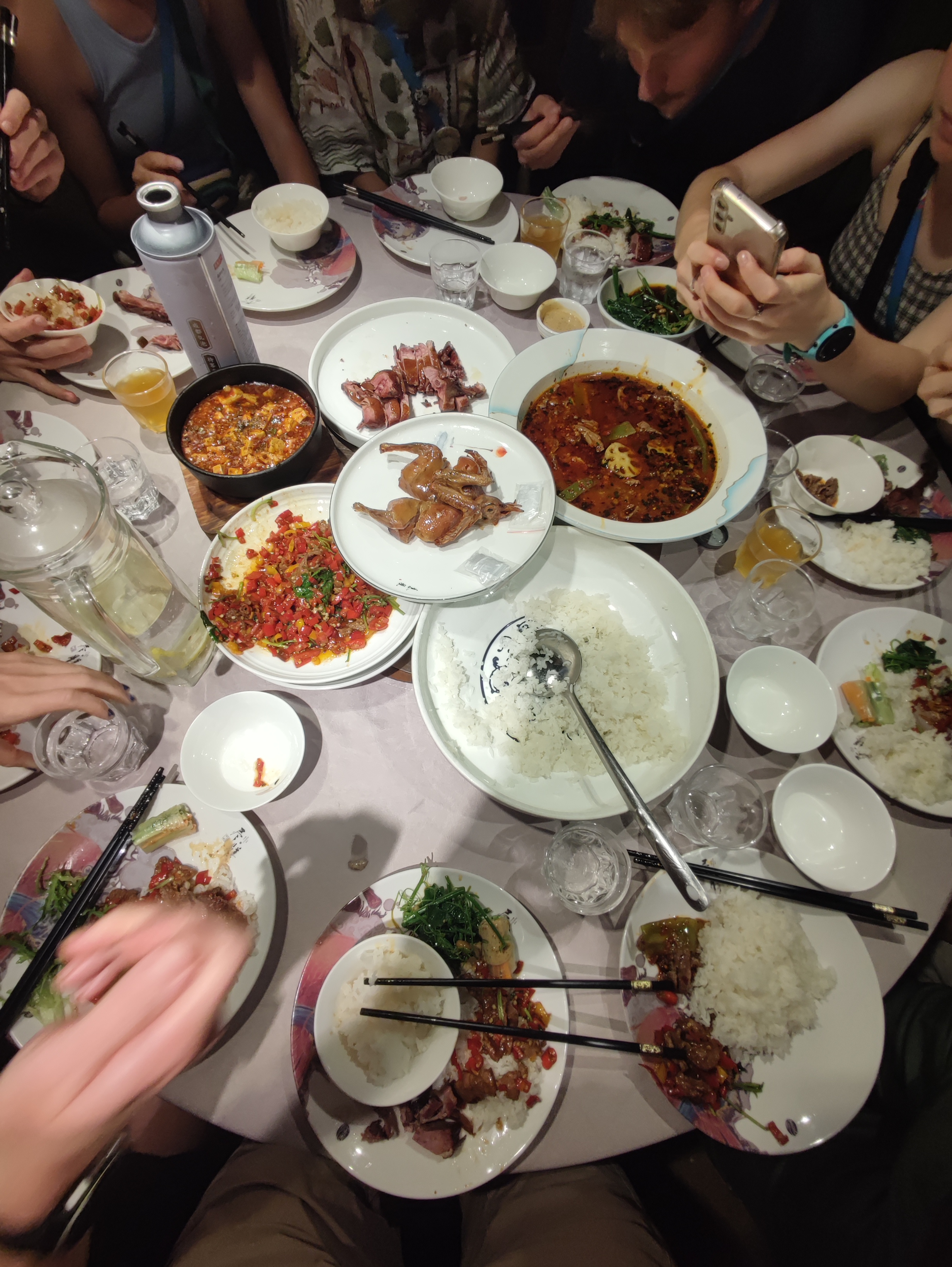
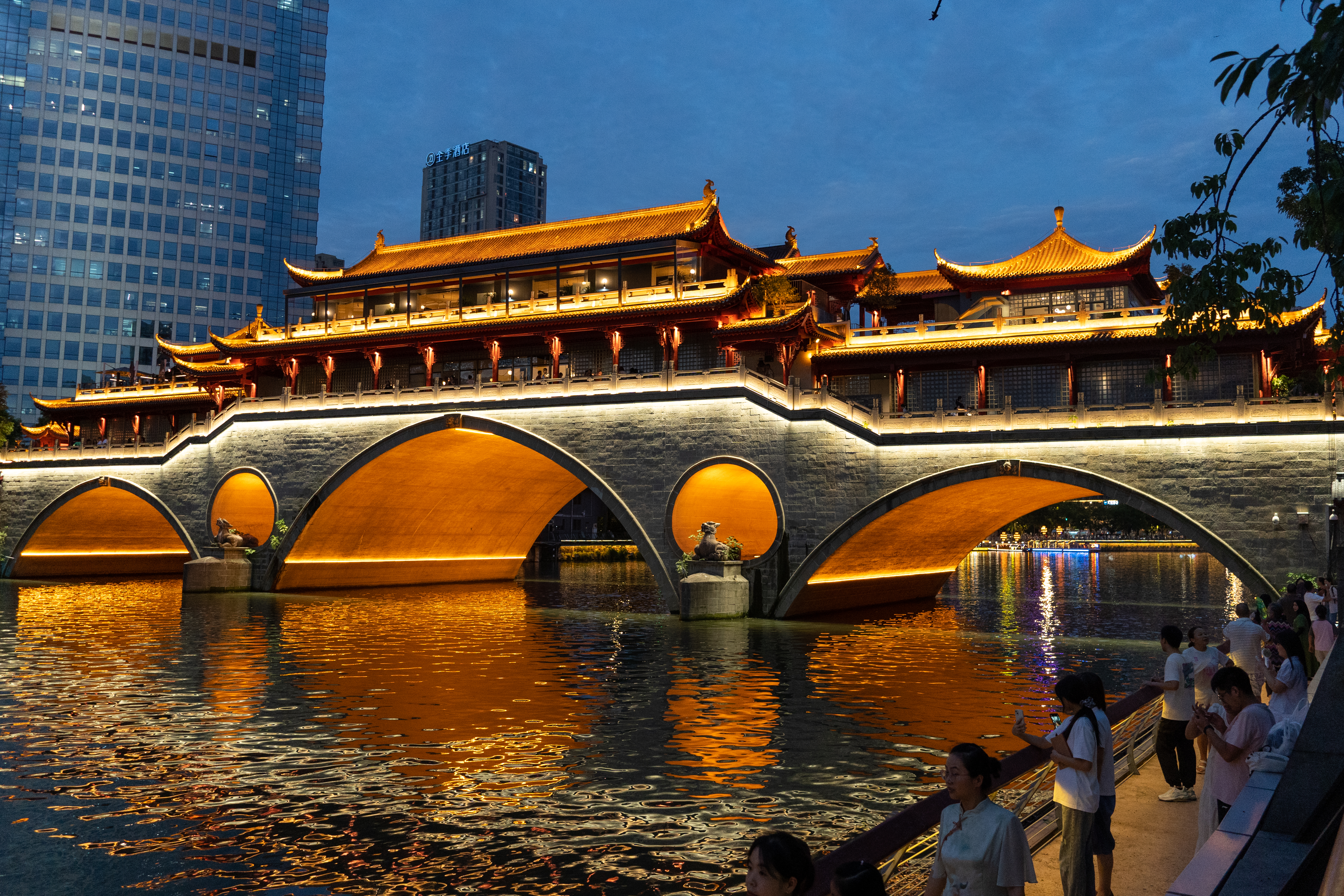
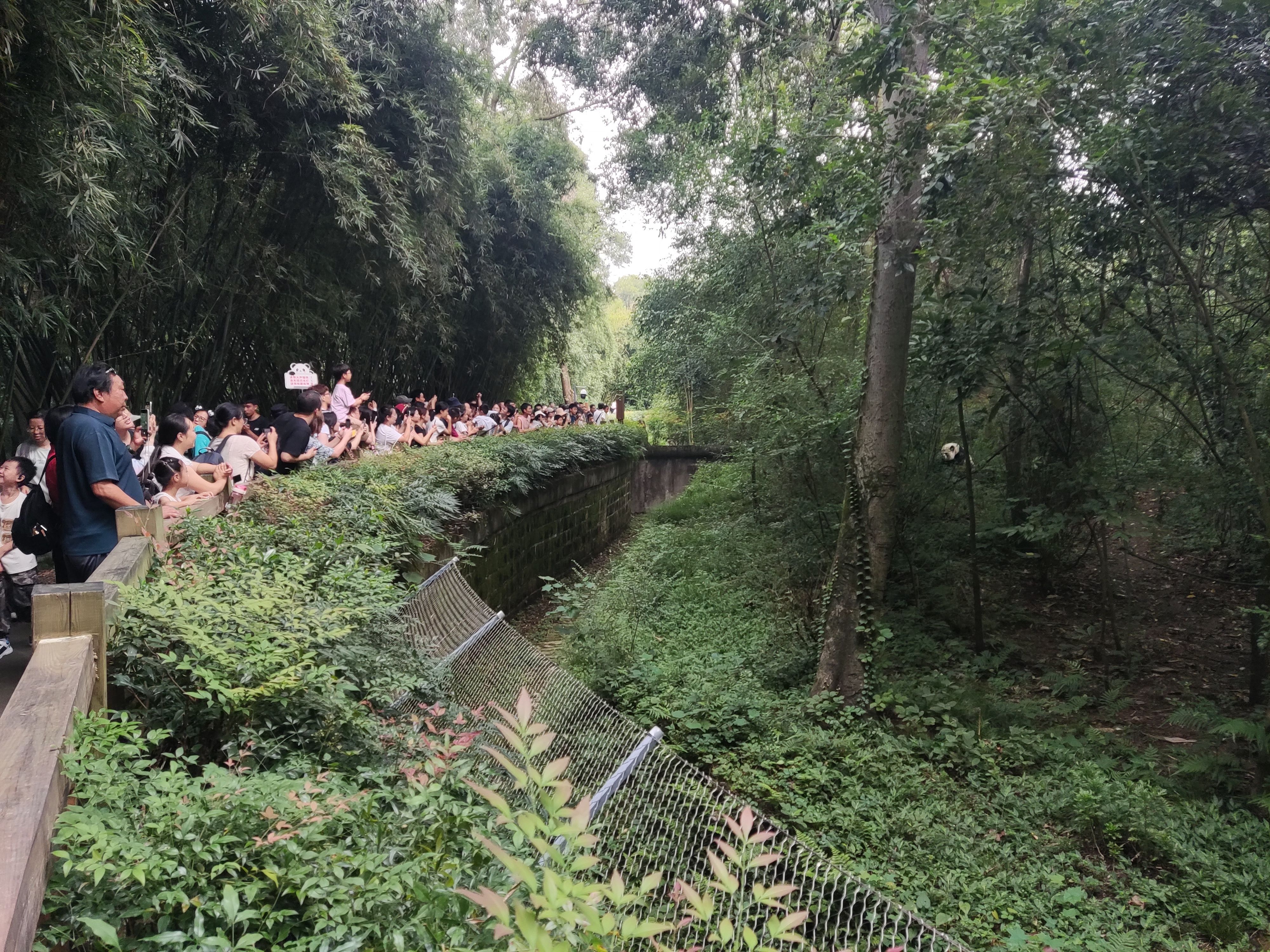
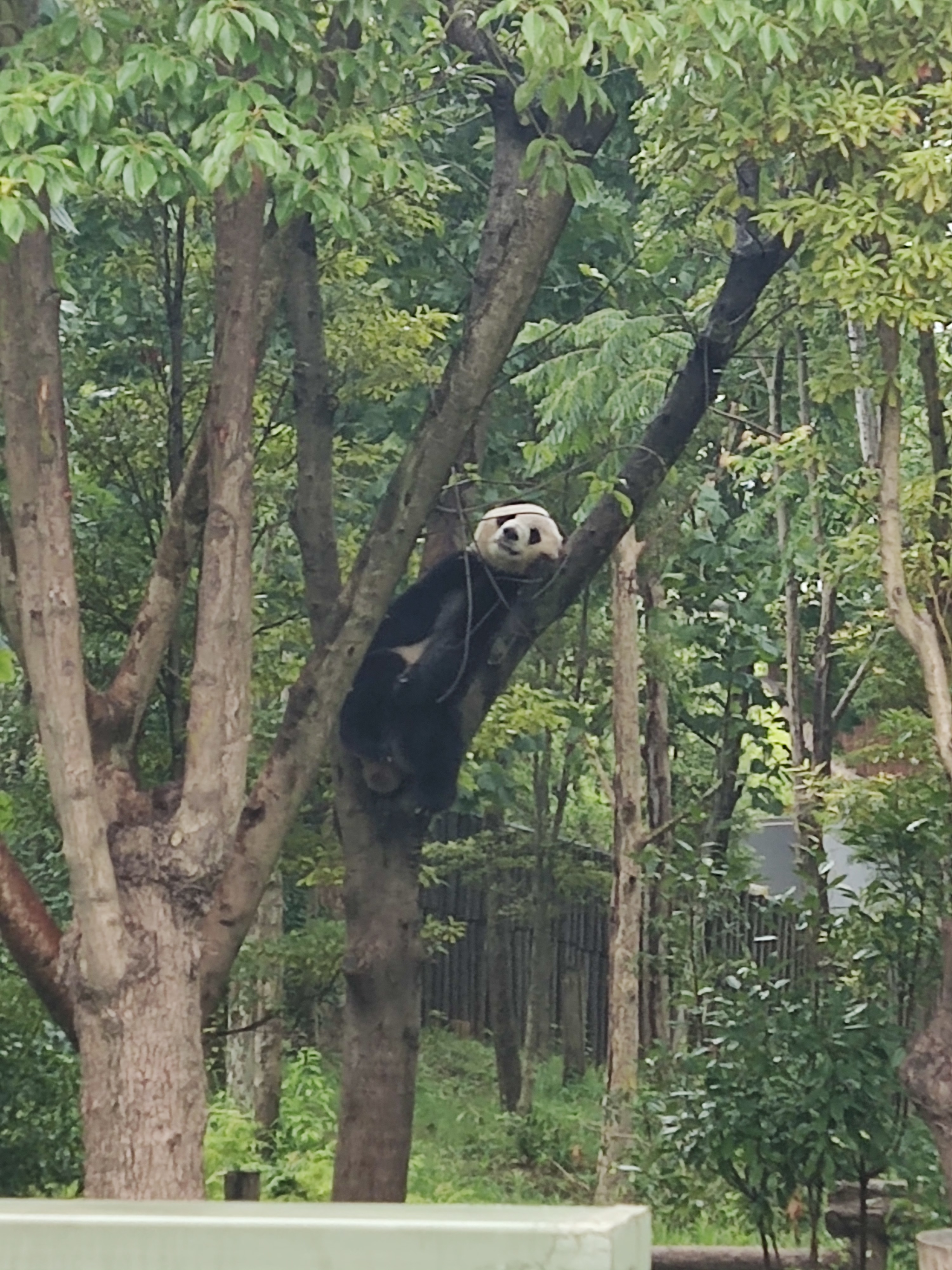
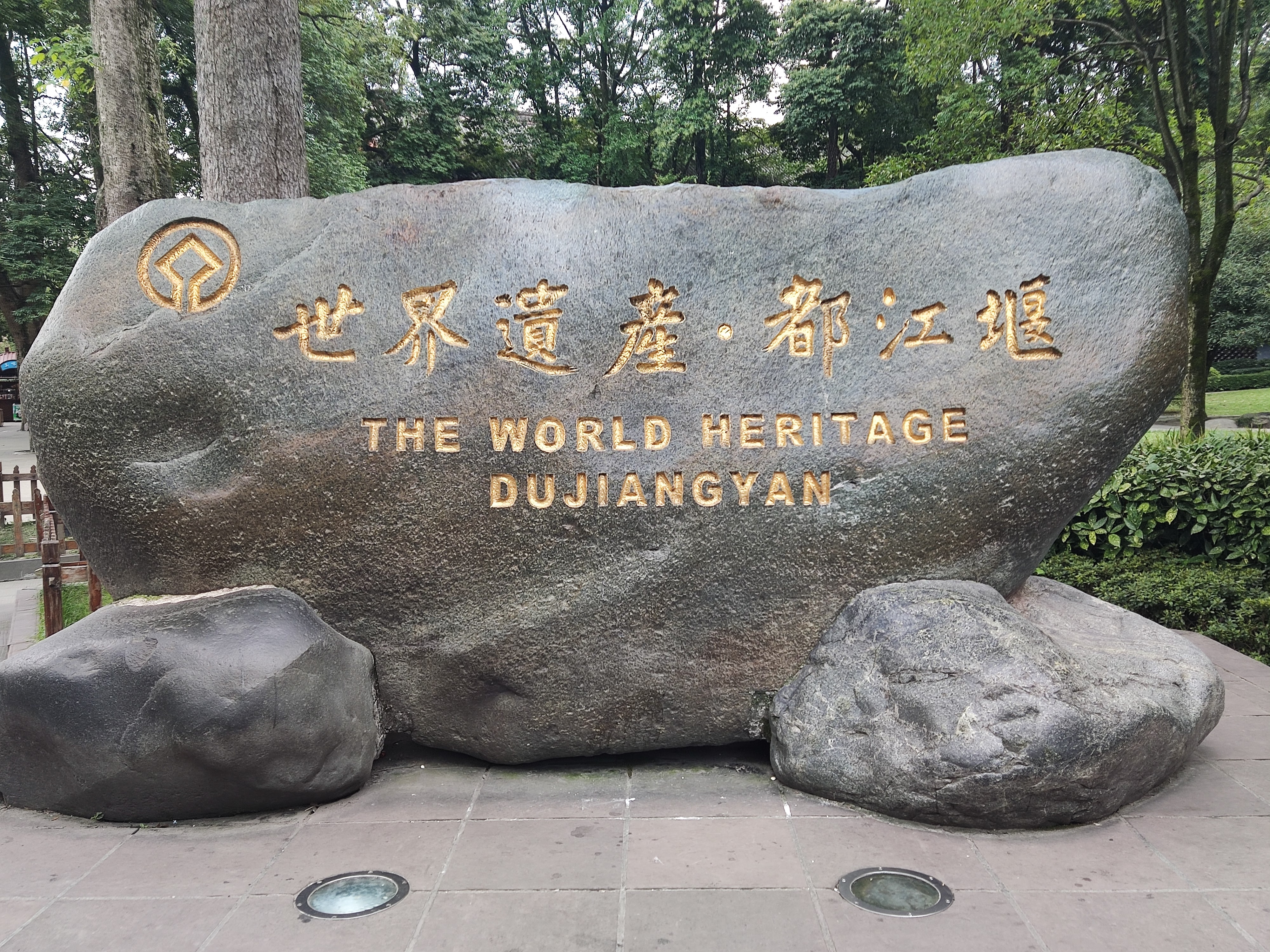
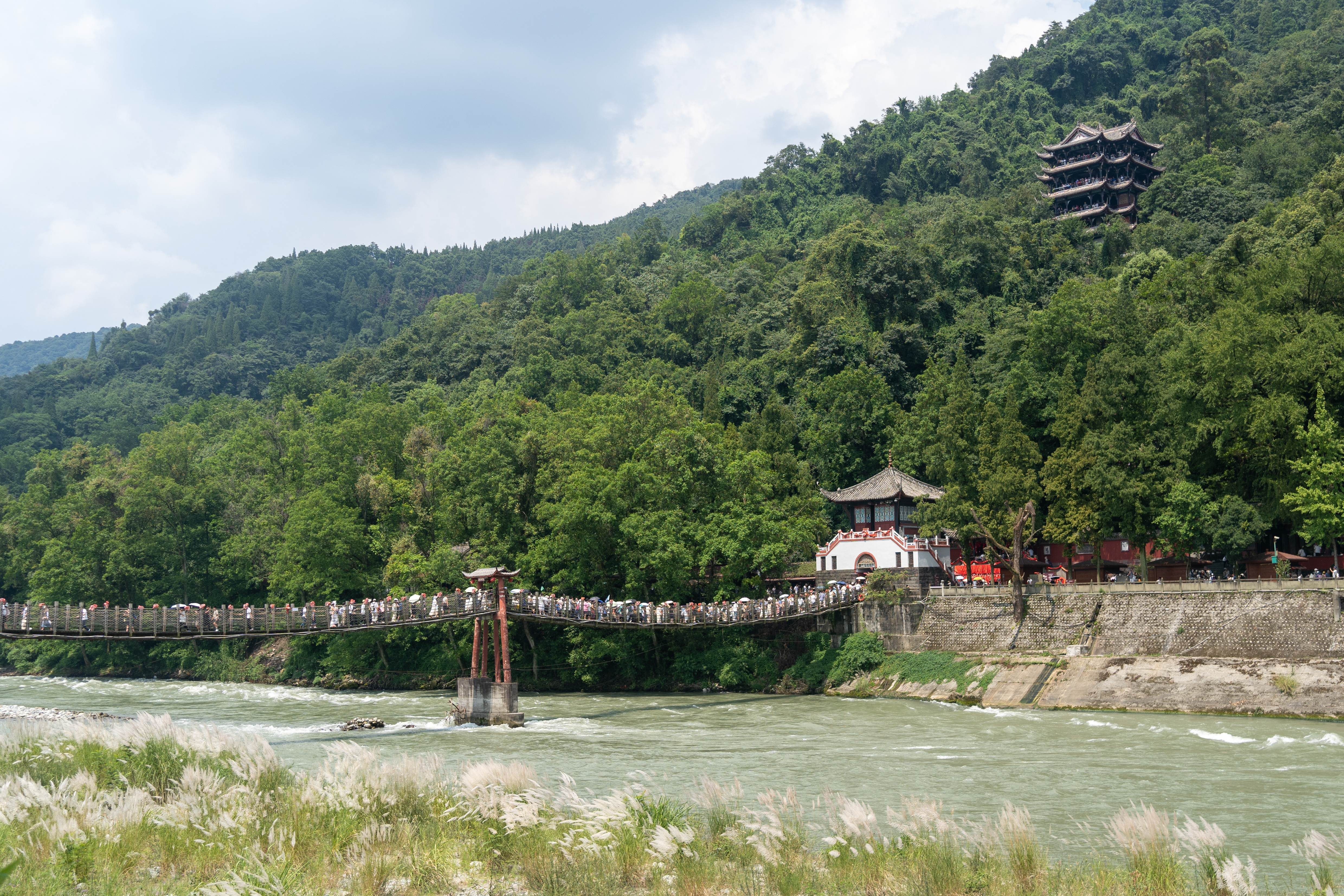
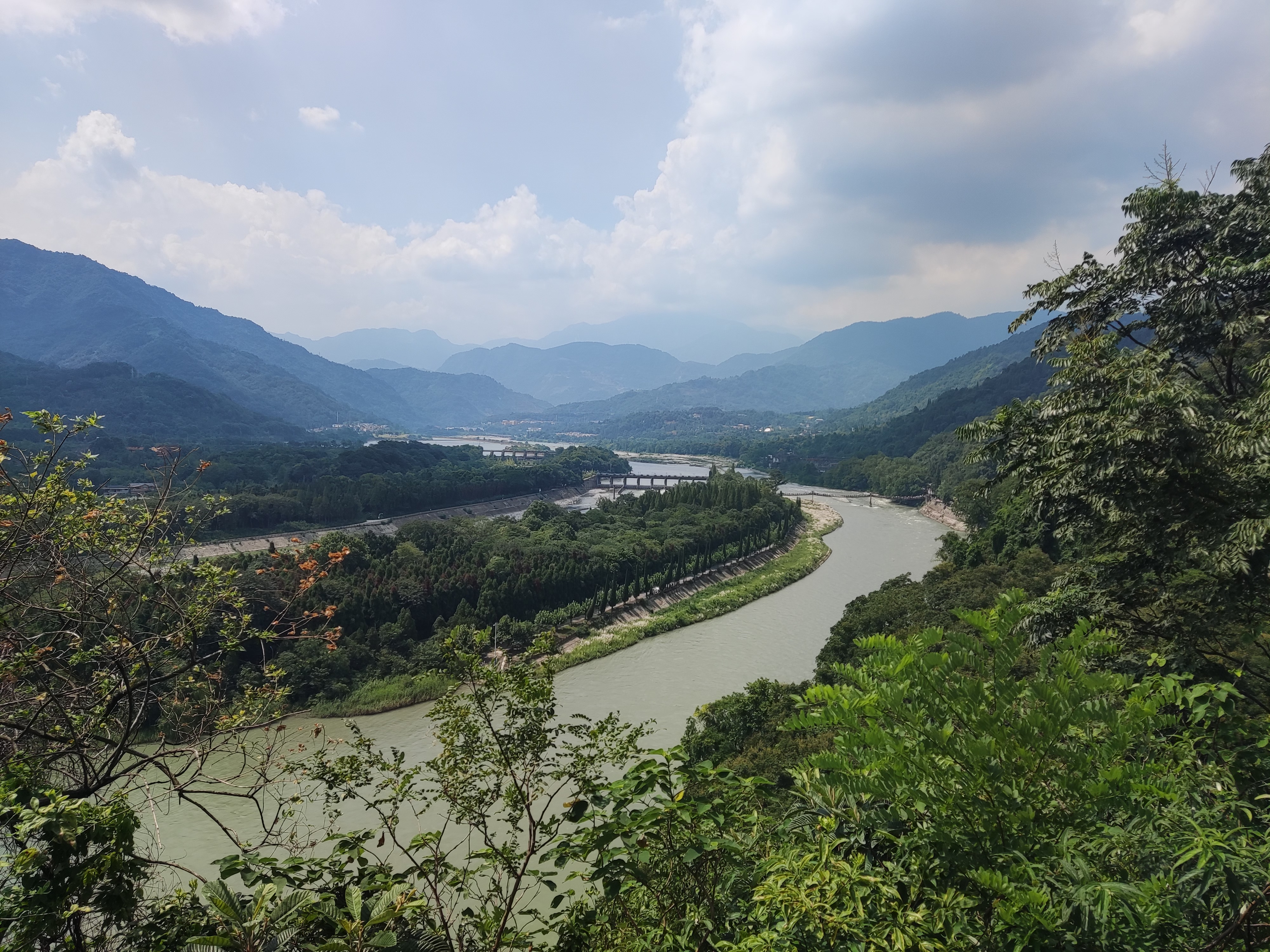
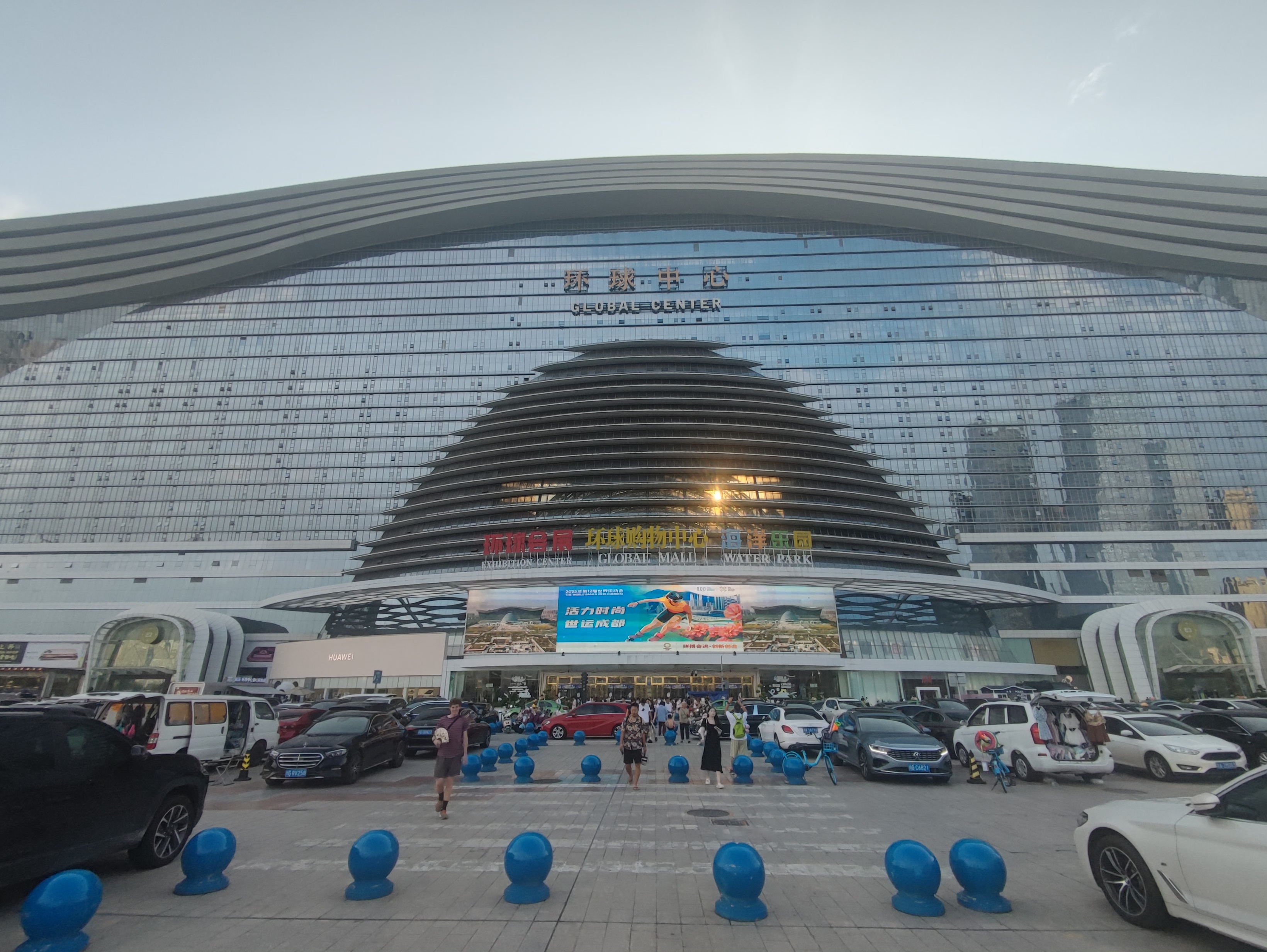
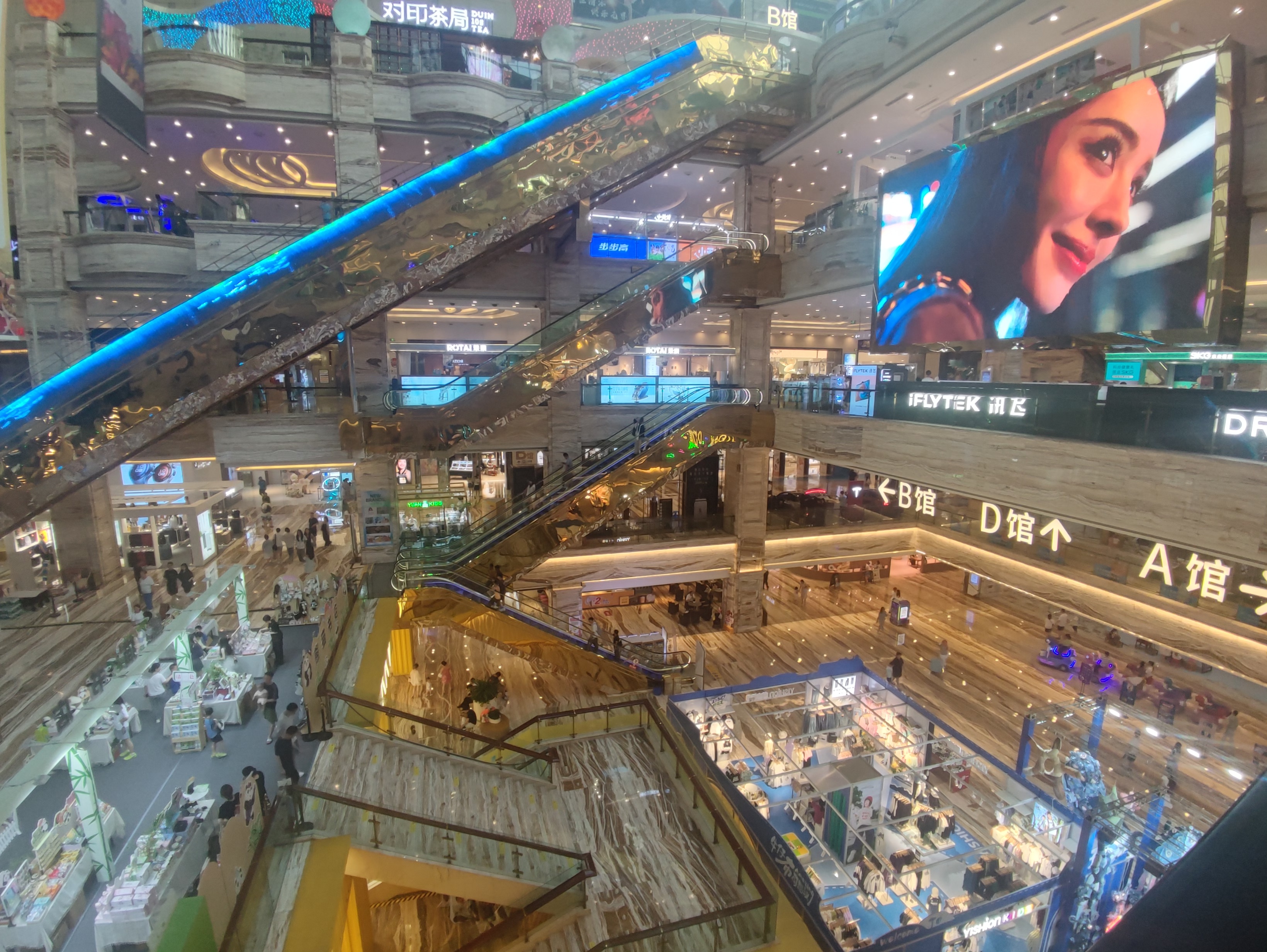
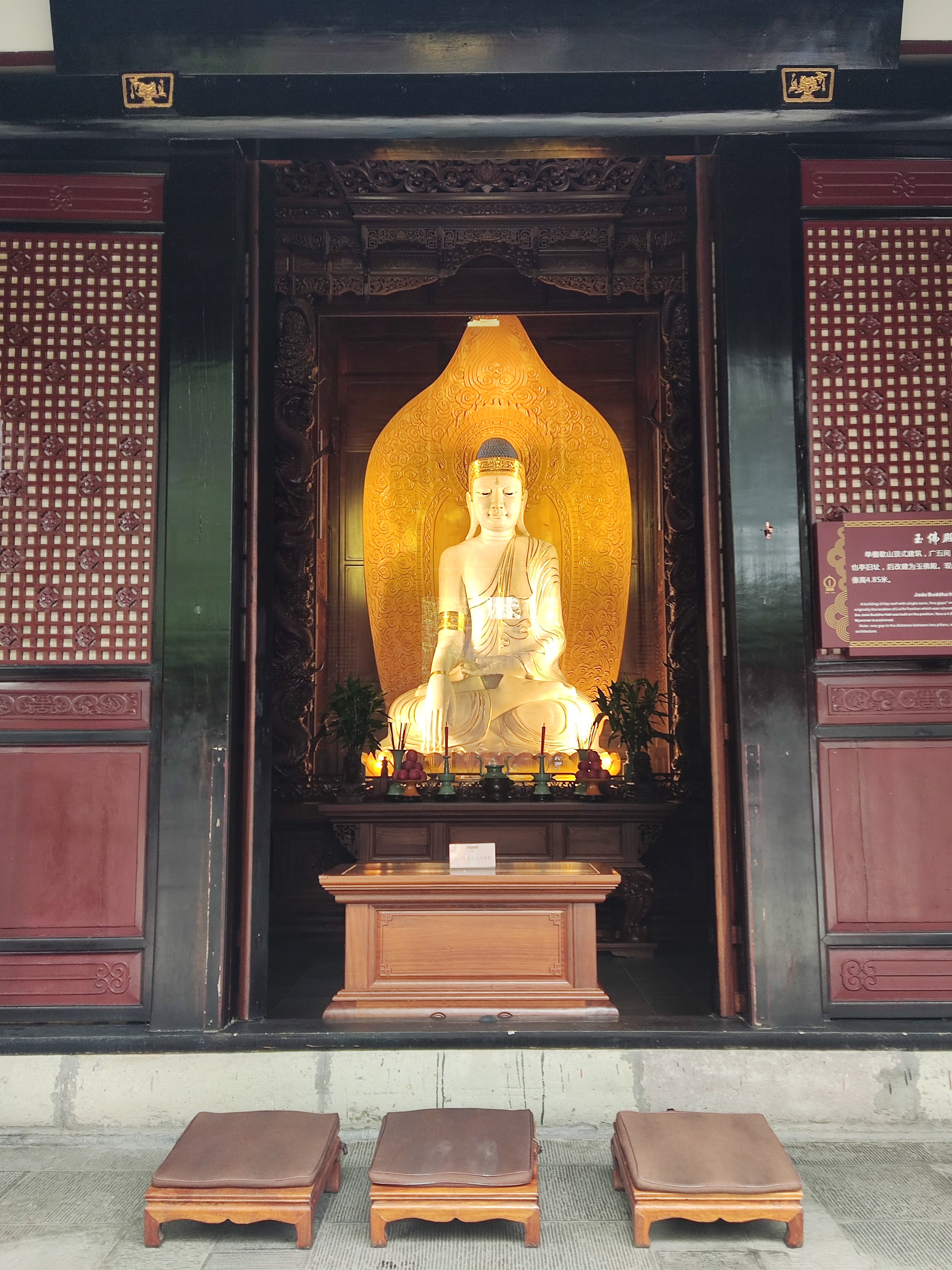
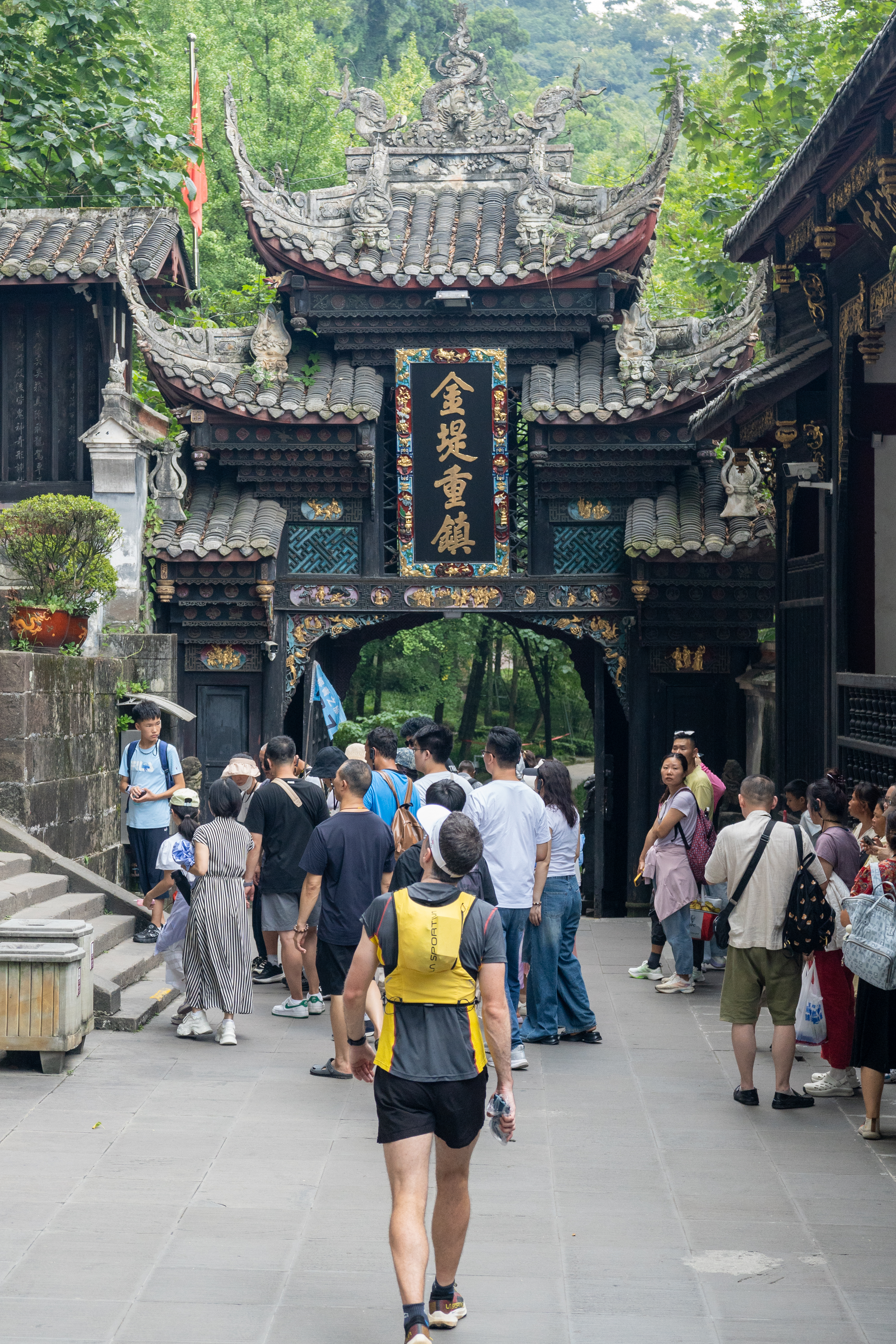
Other highlights included Panda World (Research Base of Giant Panda Breeding), Dujiangyan Ancient Irrigation System (amazing old-school engineering), New Century Global Centre (largest building in the world by floor area – 1.7 million square meters), Wenshu Monastery (another Buddhist temple), and Kuanzhai Alley. I won’t talk about the food as I think I did this completely wrong but that is a story for another day.


All in all, a fantastic adventure to China, a privileged departure from my day to day. I felt safe the entire time and found the Chinese people to be exceptionally friendly and helpful (with the assistance of a translator app). But in the end, I was super happy to simply arrive home. These experiences are secondary to what is truly important in life – your health, that of your family and friends, and that of the environment. New Zealand is truly beautiful and every time I travel it is simply to remind me of this fact.
 mogd001